CONSERVATION NEWS
Botswana’s Plan To Cull Elephants And Sell Them As PET FOOD Wins Ministerial Approval
We need to fight to save elephants and rhino lives.
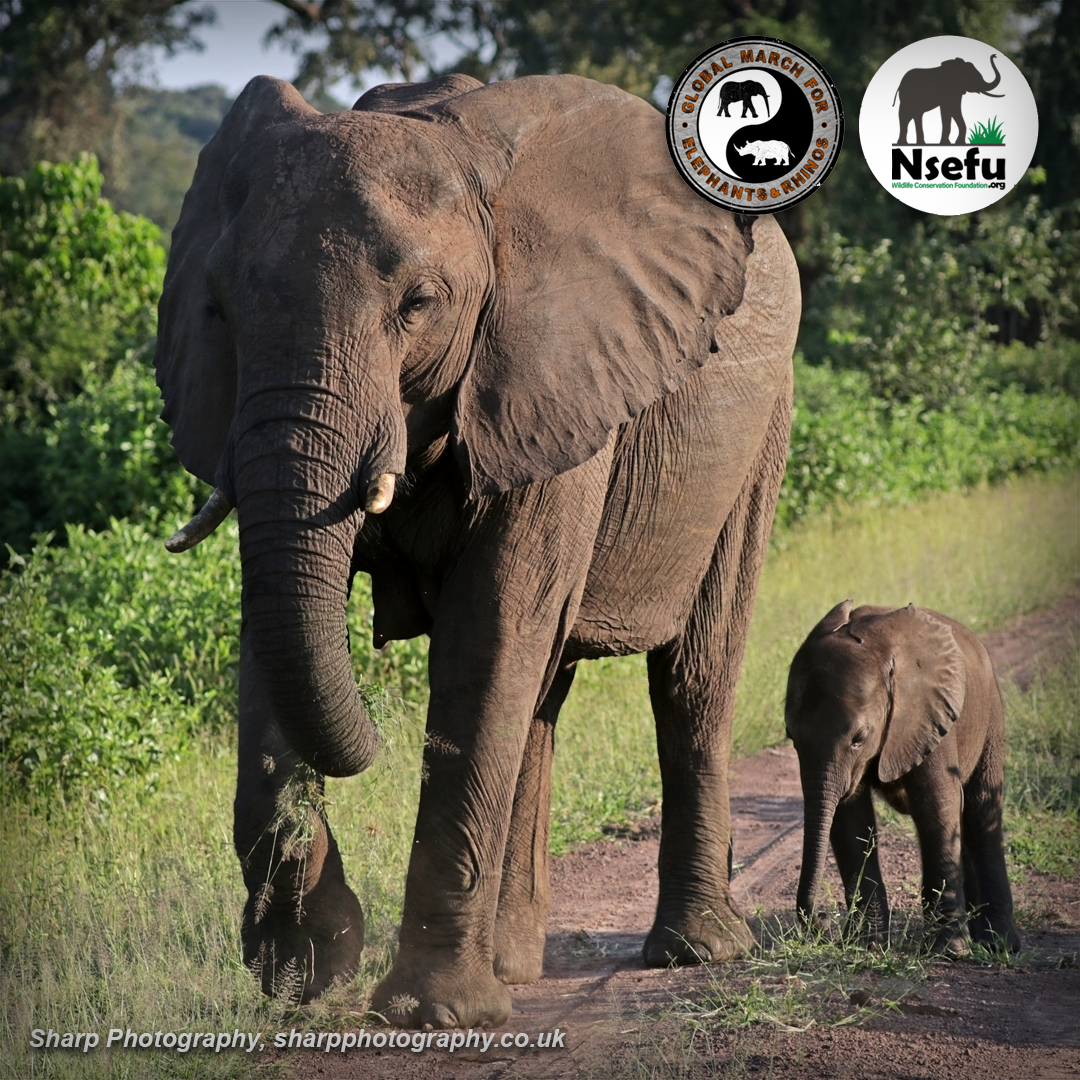
Botswana is moving towards culling elephants by lifting its wildlife hunting ban after a group of the country’s ministers endorsed the idea, but the proposal has drawn heavy criticism. Botswana’ is planning to cull elephants and sell them as pet food wins ministerial approval.
The southern African country’s President Mokgweetsi Masisi had previously tasked a government subcommittee with reviewing the hunting ban – which had been put in place by his predecessor Ian Khama in 2014.
The committee decided to recommend lifting the ban last Thursday, and the country’s minister of local government and rural development Frans Solomon van der Westhuizen advocated ‘regular but limited elephant culling’, NPR reports. Story by Door Webmaster / greenworldwarriors.com.
If you are as upset by this as we are, join Nsefu.org for the
Global March for Elephants and Rhinos.
We are participating in three separate marches, one in San Diego, Honolulu and Zambia.
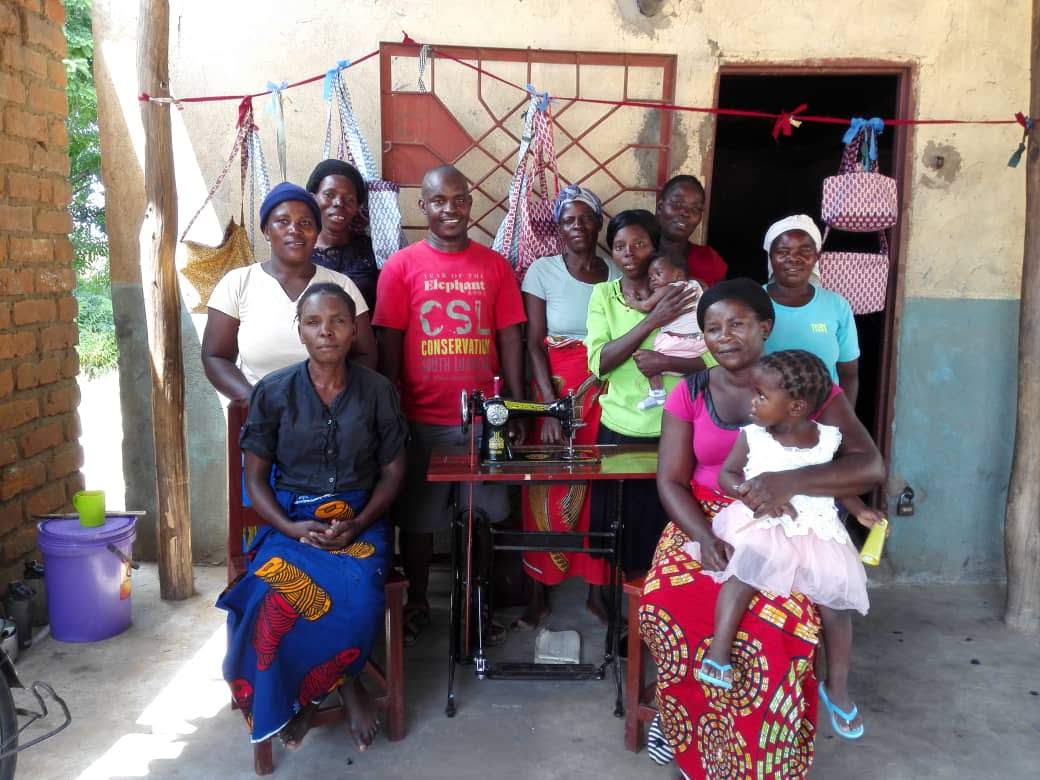
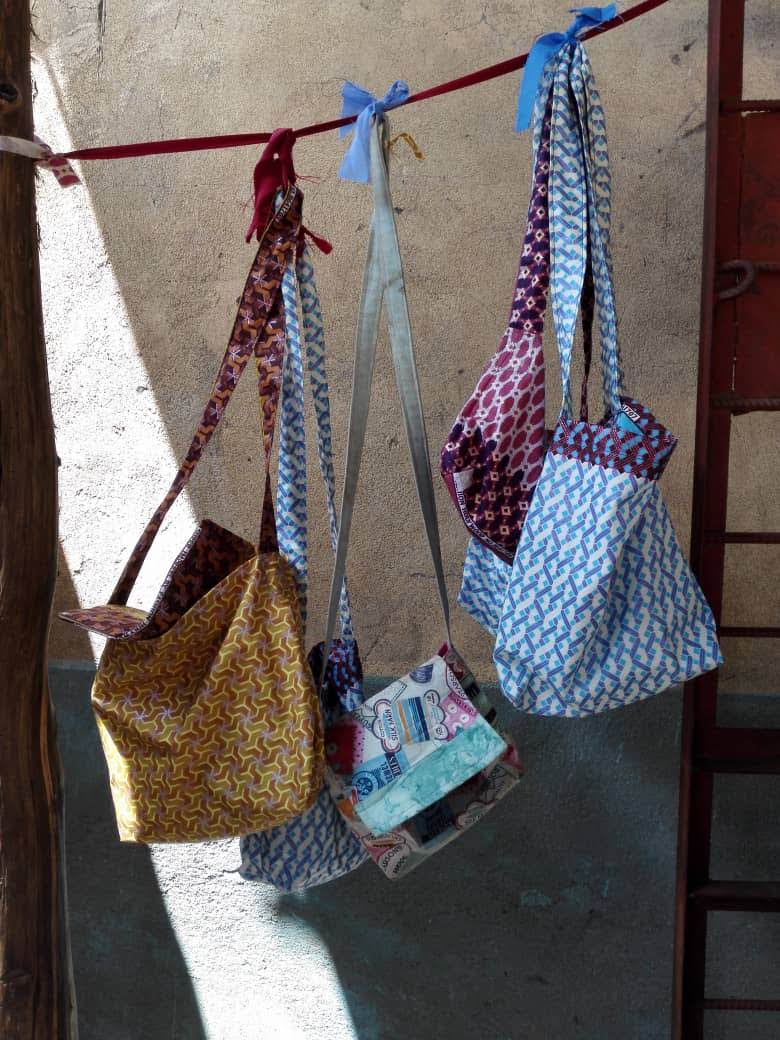
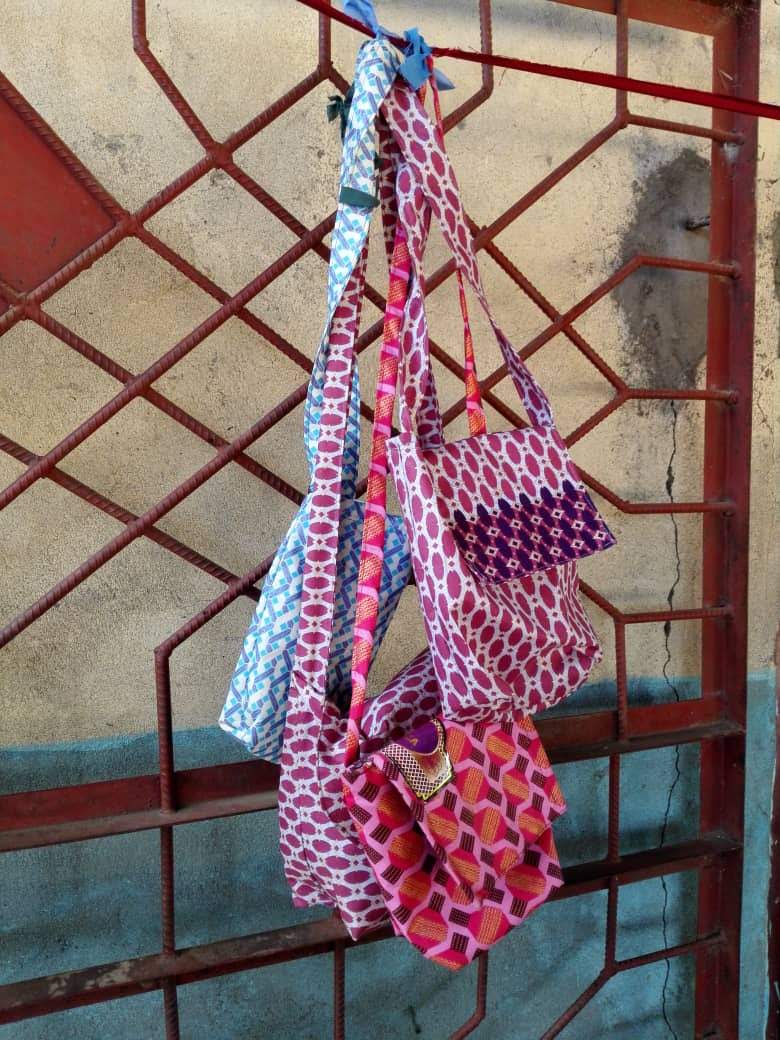
Nsefu Wildlife Sewing Program is becoming a success!
Your support makes Nsefu.org programs possible.
The Nsefu Wildlife Conservation Foundation Sewing Project is progressing well, with the team producing more bags and other items for purchase.
Find out more about our Sewing Program.
Urge our CITES delegates to VOTE at CoP18 for maximum protections for Endangered Species
Nsefu.org has partnered with the Global March for Elephants and Rhinos to urge CITES delegates to vote for maximum protections for wildlife.

One of the key asks for GMFER2019 will be to urge our CITES delegates to vote at CoP18 for maximum protections for endangered species (vote for all uplist proposals), and to reject proposals to reopen ivory trade in southern African countries, trophy hunt elephants and down list endangered species. We suggest event organizers include these calls to primary CITES representatives as a key ask of their event this year, as well as calling for a ban on the import of hunting trophies of endangered species.
Kitty Block, president of Humane Society International, said:
"Every single day, human-induced habitat loss, poaching, commercial trade and climate change are pushing more of our planet's precious wild species towards extinction. We can no longer afford any complacency when it comes to saving wild animal species threatened by over-exploitation, and so as we welcome CITES proposals to establish new or increased protections, we urge nations to ensure that species conservation is approached as a necessity not a luxury, with pro-active trade restrictions imposed long before a species is at the extinction precipice.
With ivory traffickers exploiting the long-extinct mammoth so that they can further exploit imperilled elephants, the time is now for African and all other nations to unite in the fight to end the poaching epidemic and ensure all ivory markets are closed. Giraffes too need our urgent attention, having already disappeared from seven countries and now quietly slipping into extinction with the wild population at or just under 100,000. The time to act is now, before we lose them forever.”
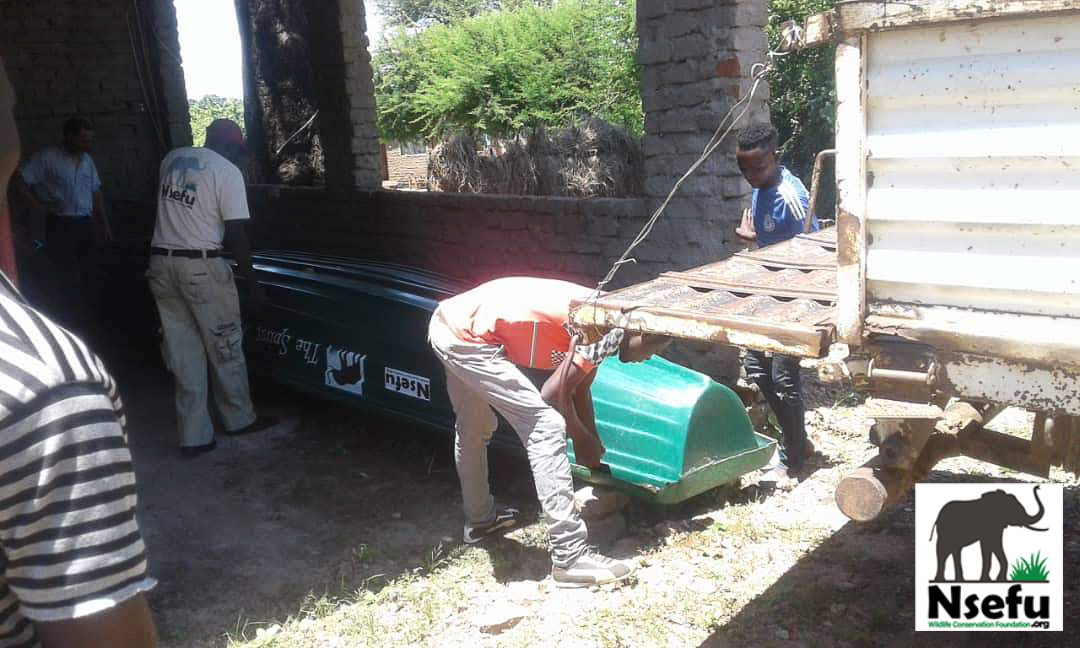
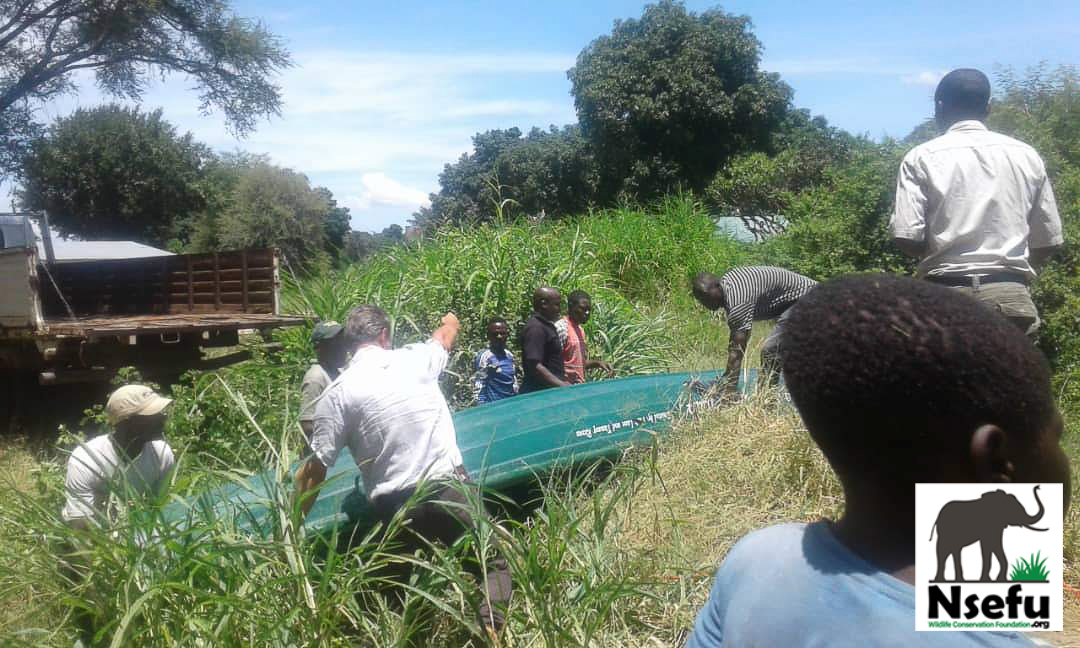
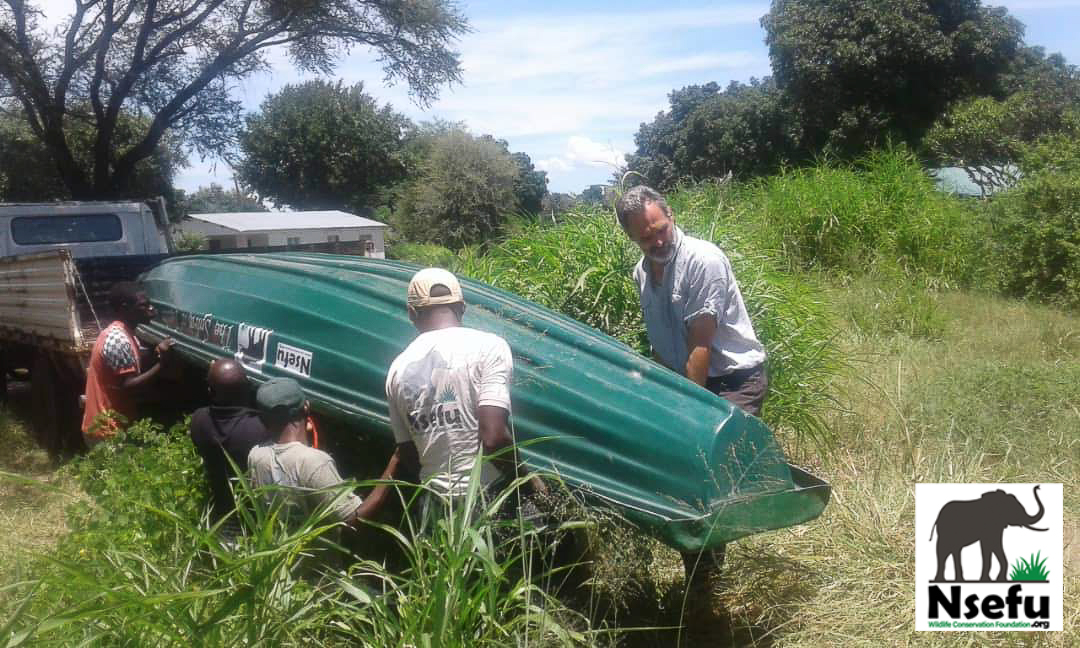
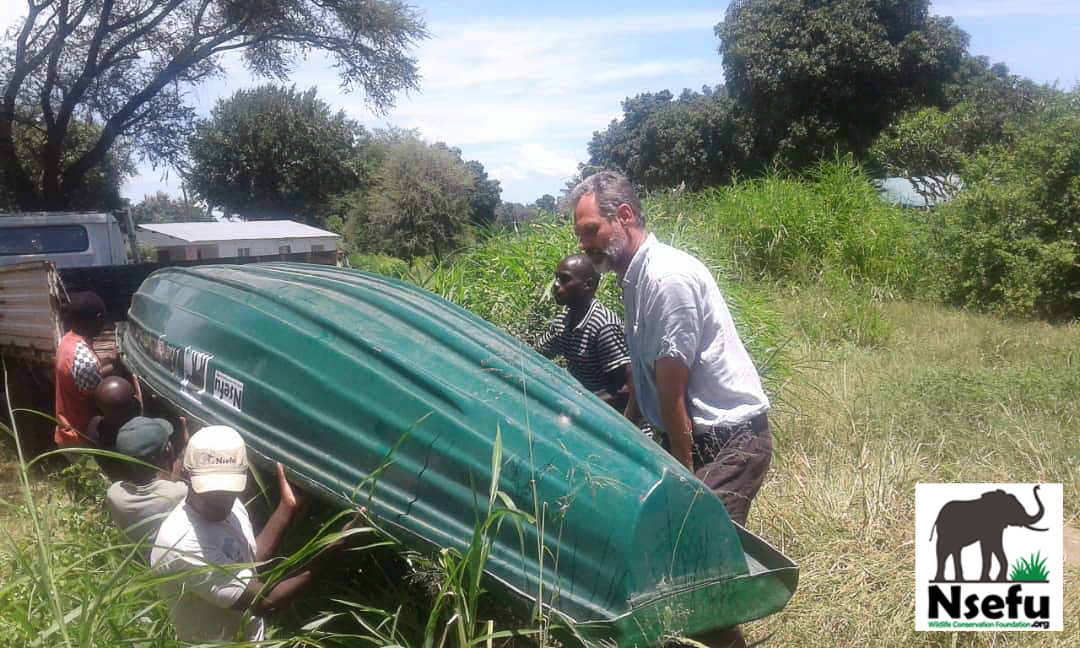
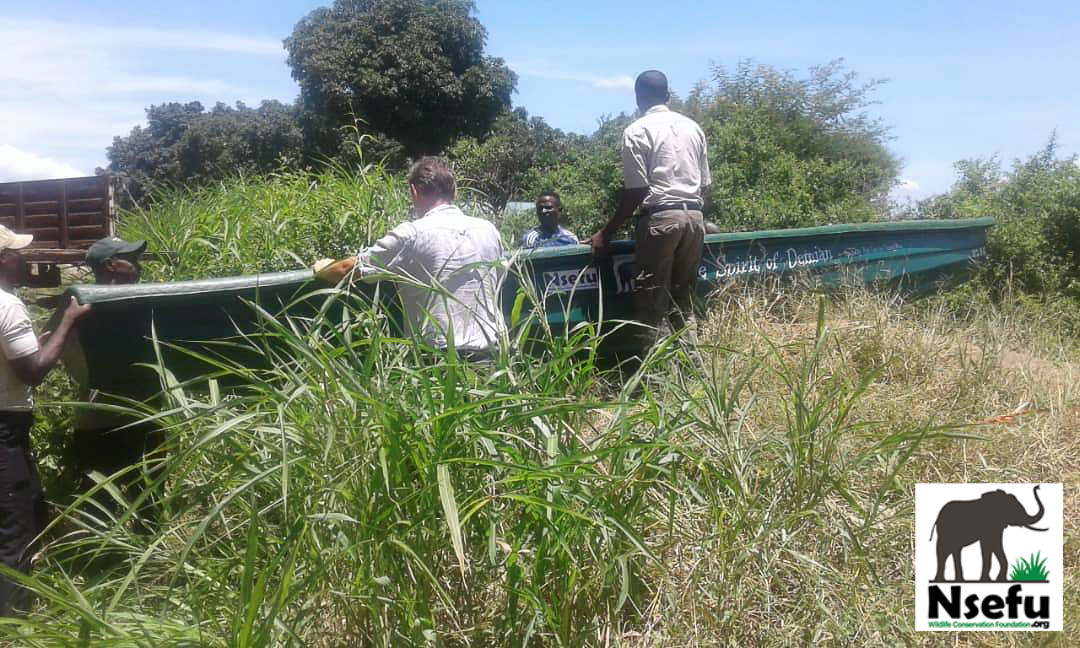
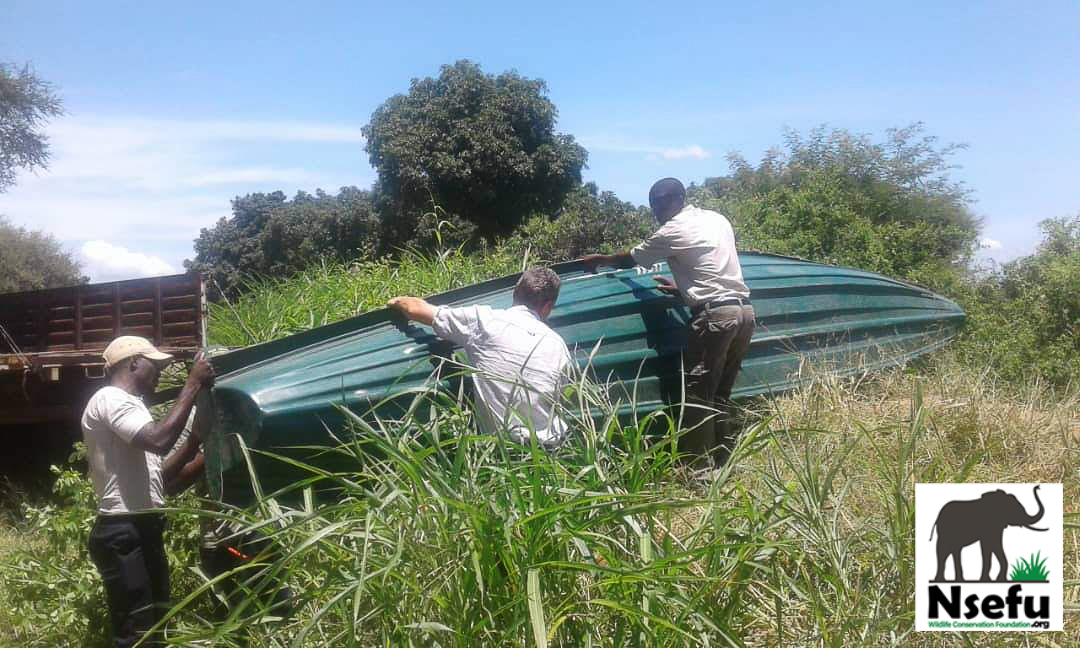
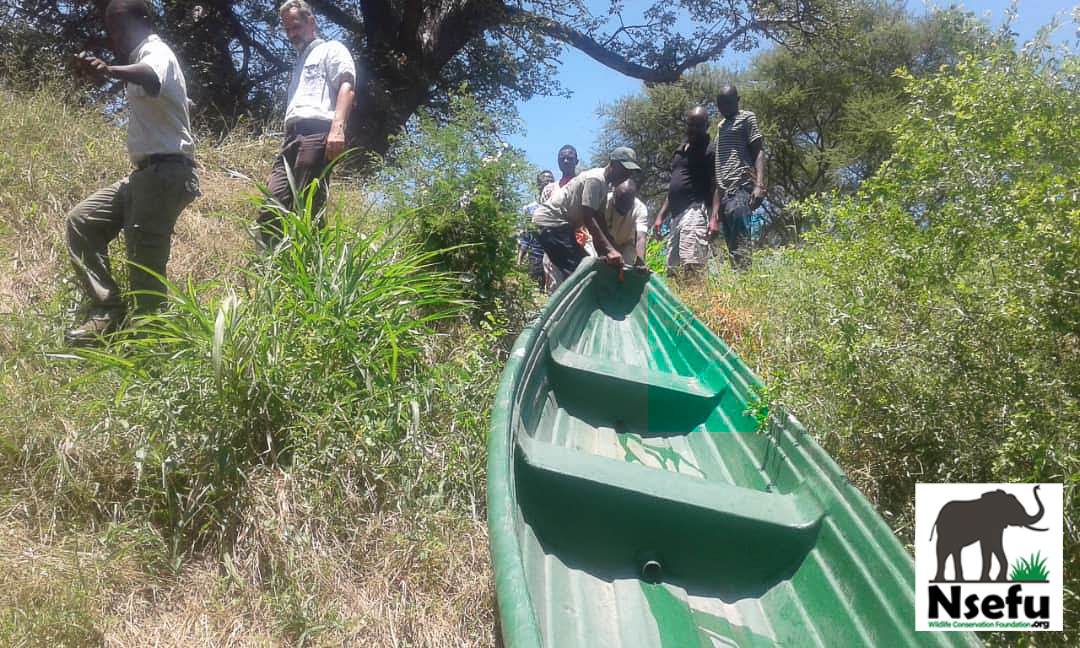
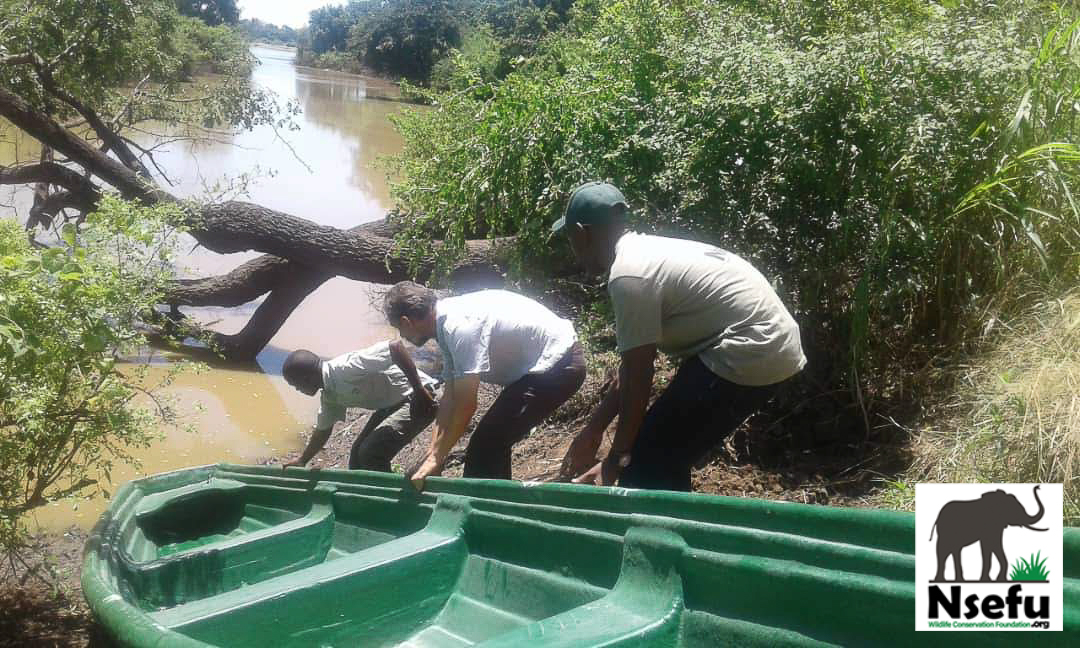
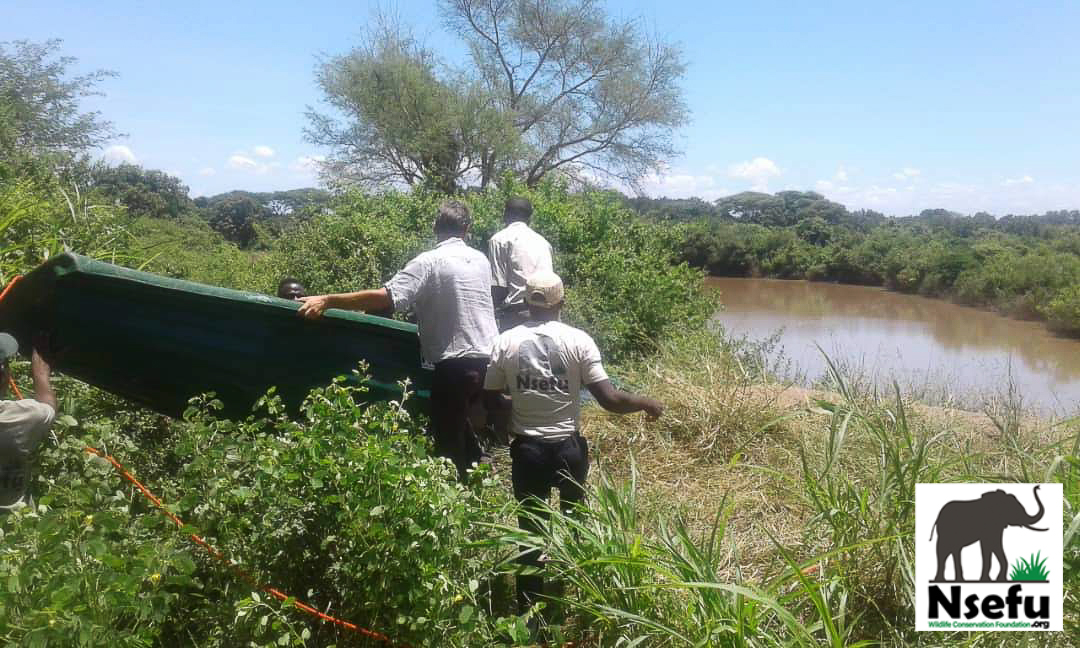
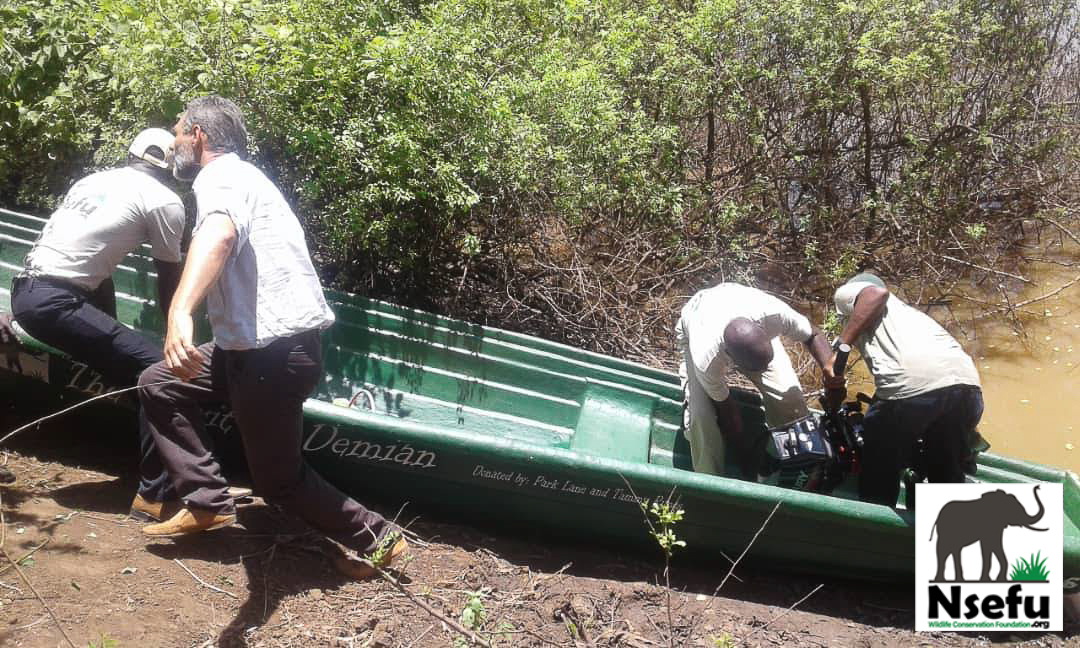
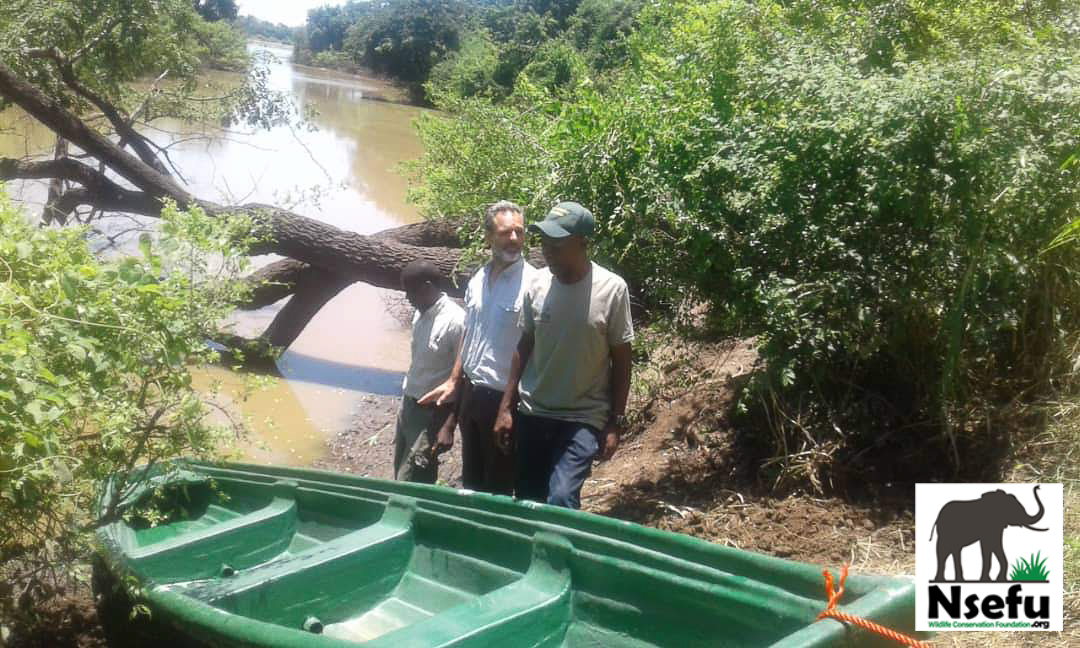
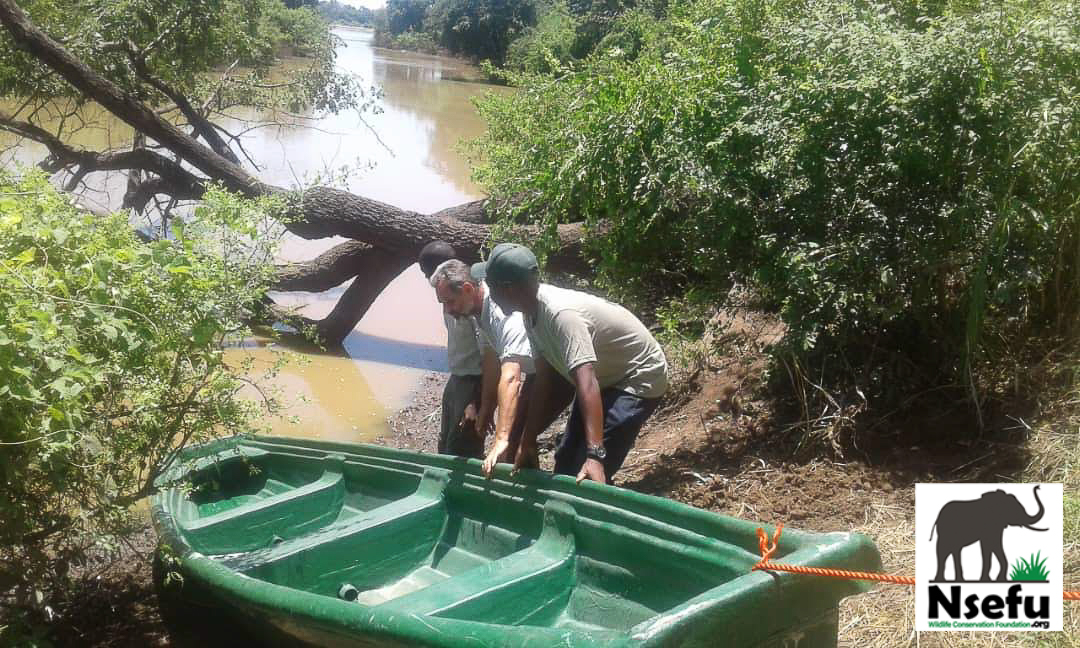
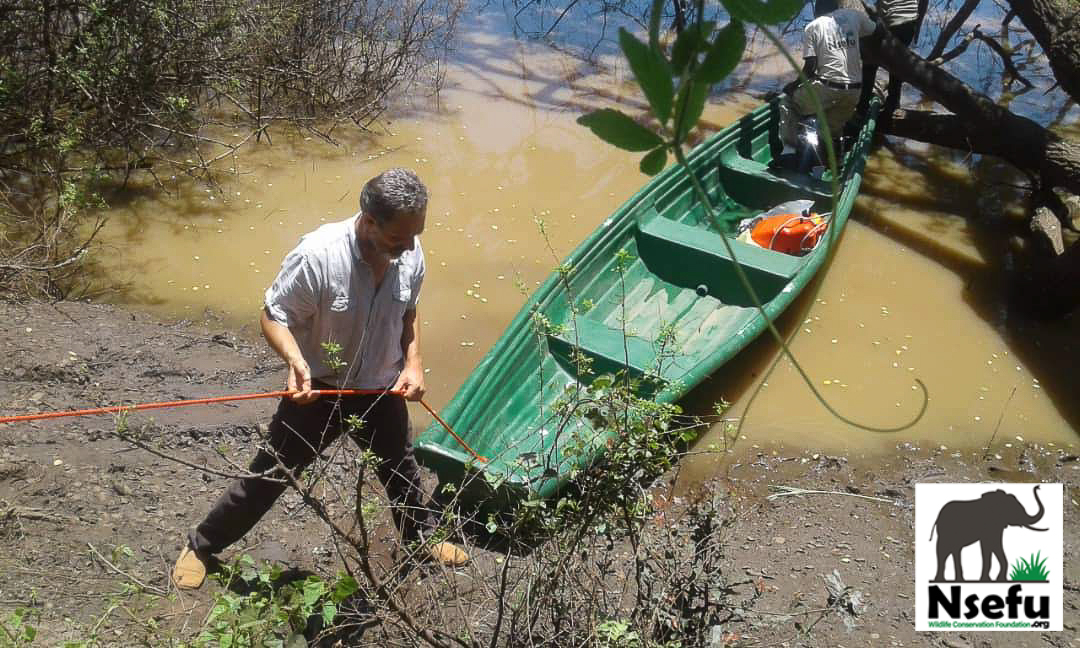
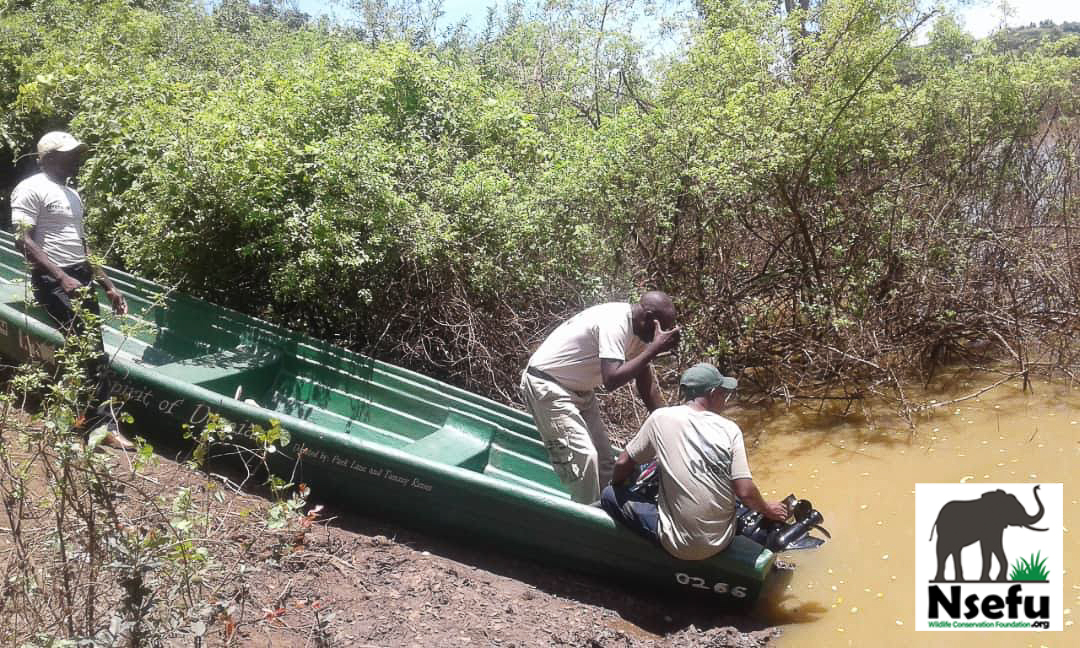
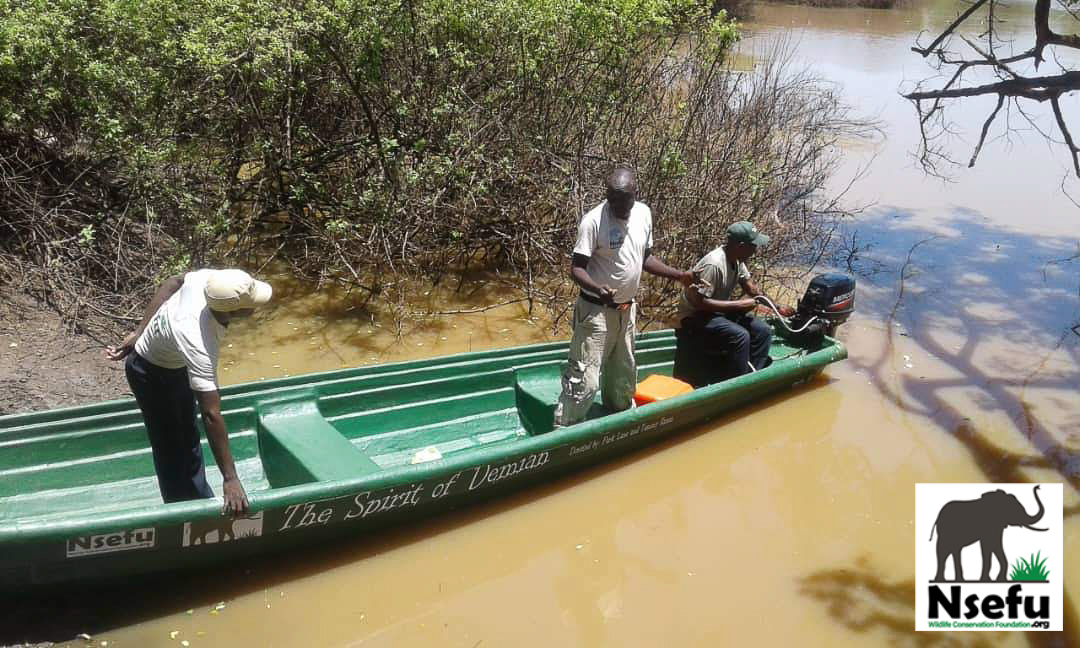
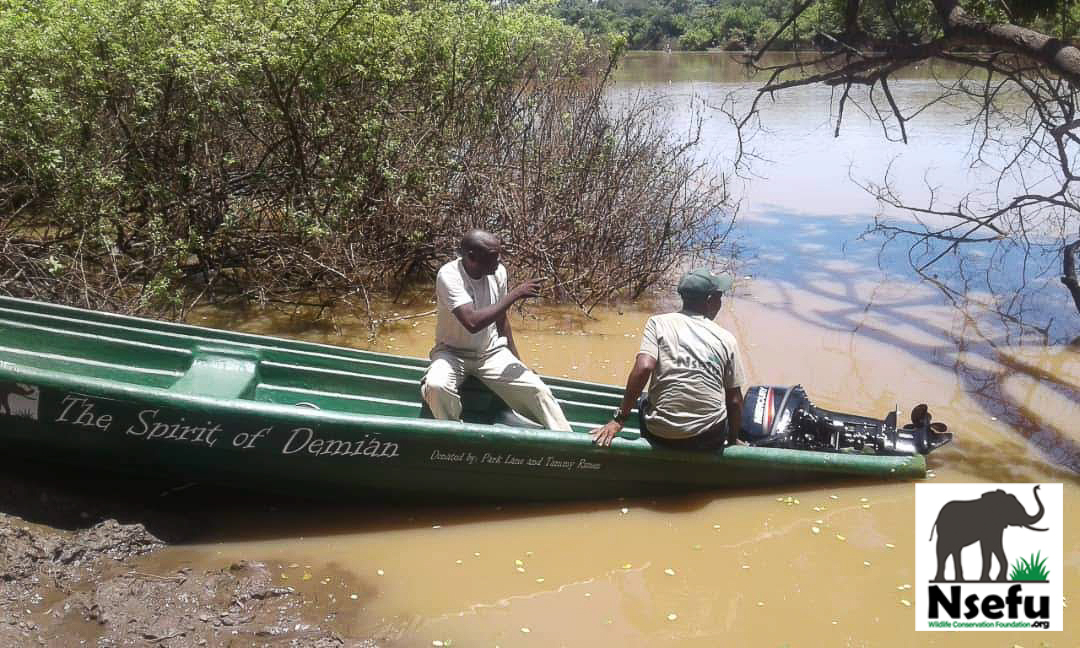
Nsefu Wildlife's Anti-Poaching Patrol Boat "The Spirit of Demian" Launched!
Nsefu.org is making progress in our fight against poaching.
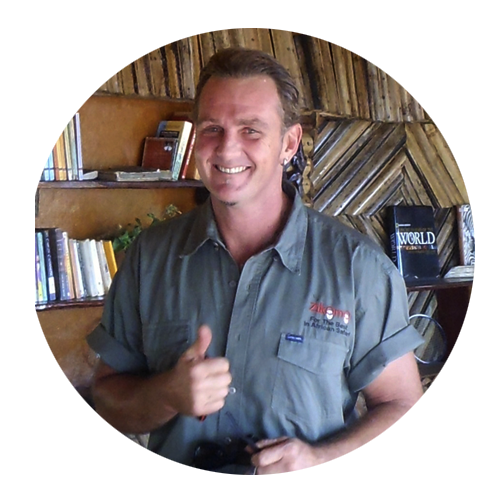
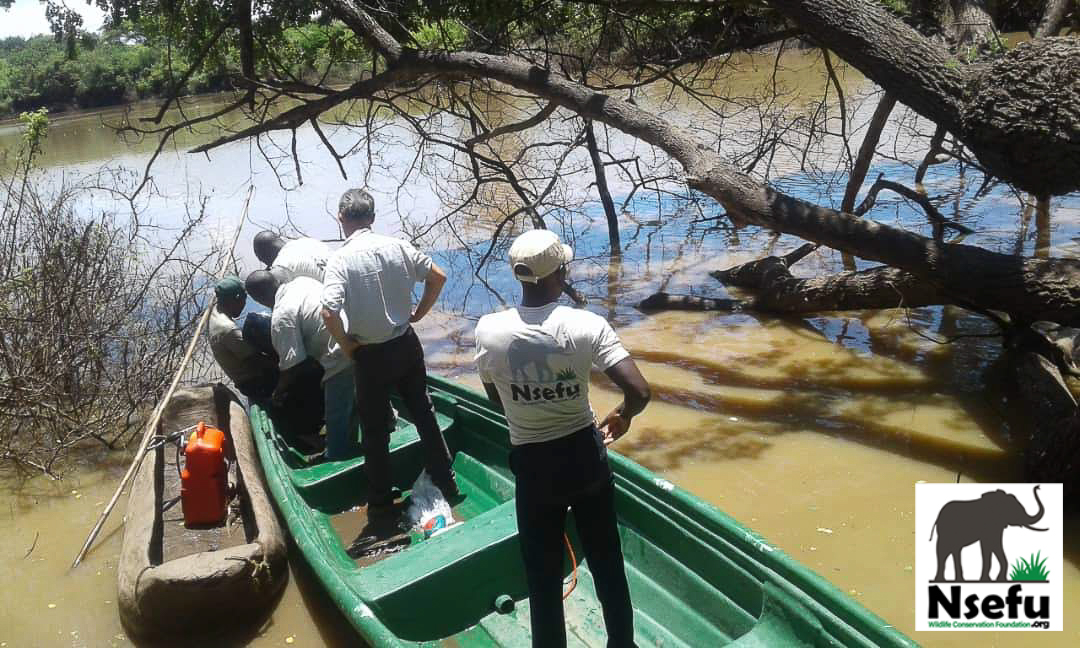
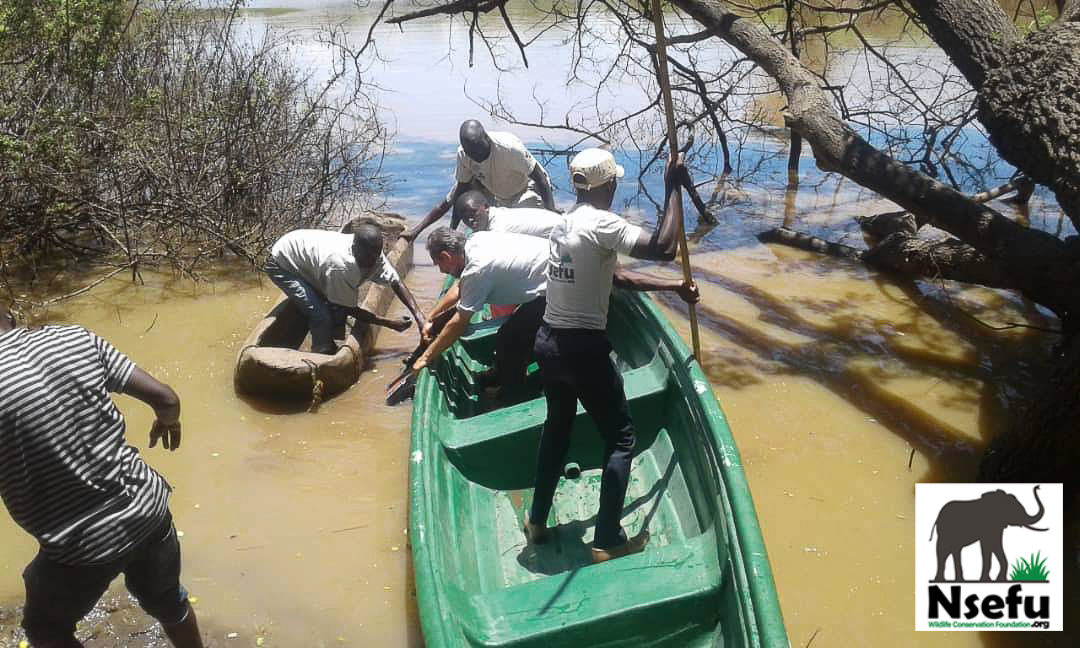
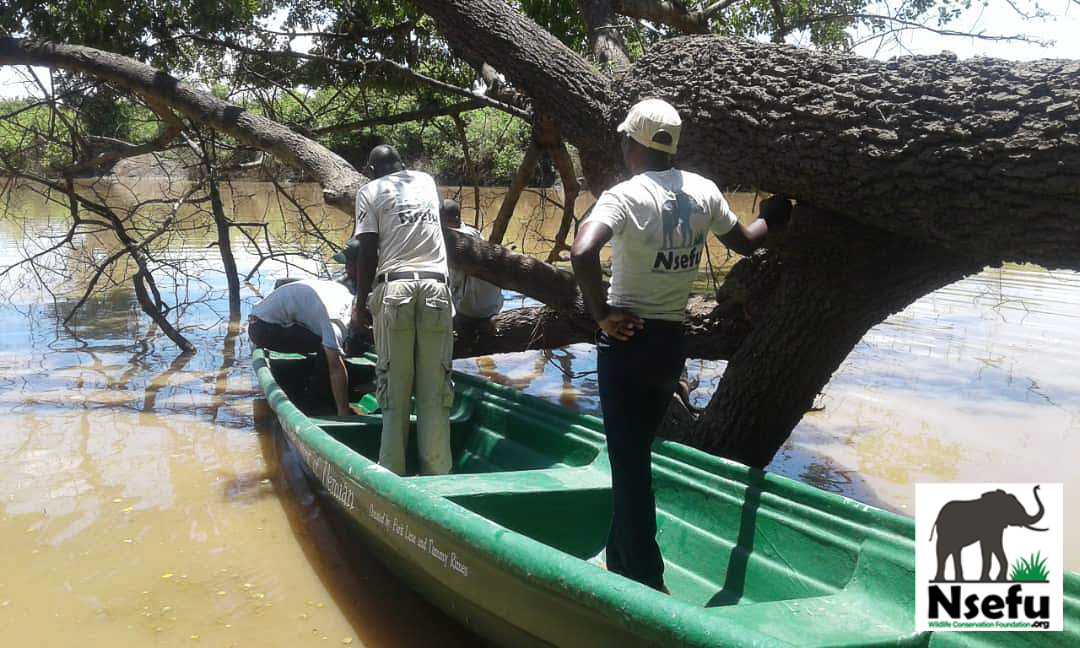
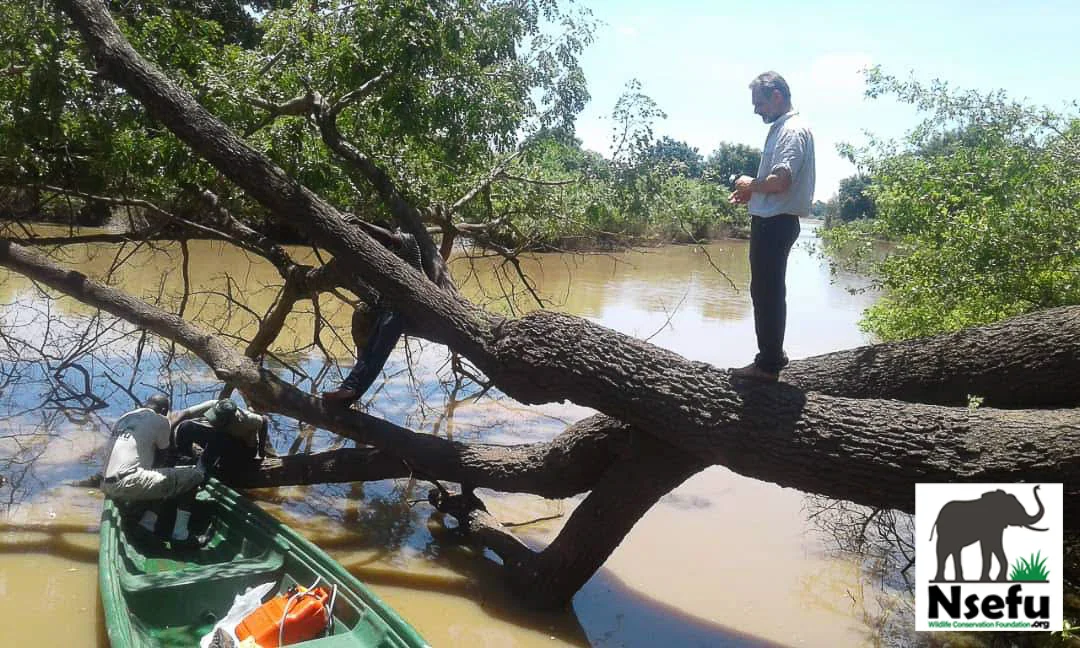
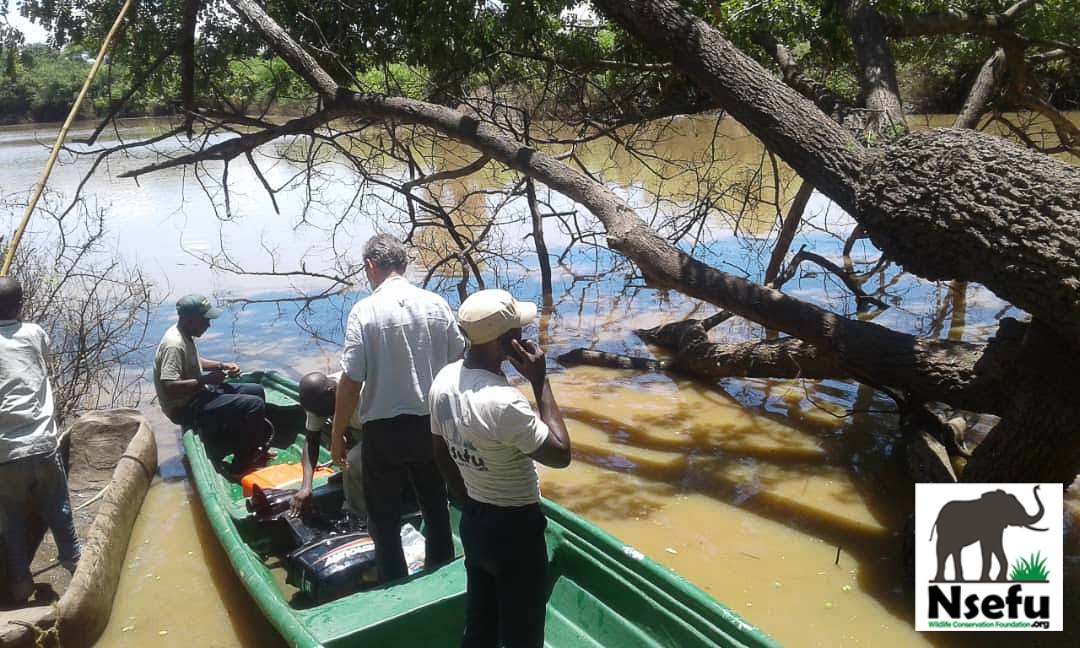
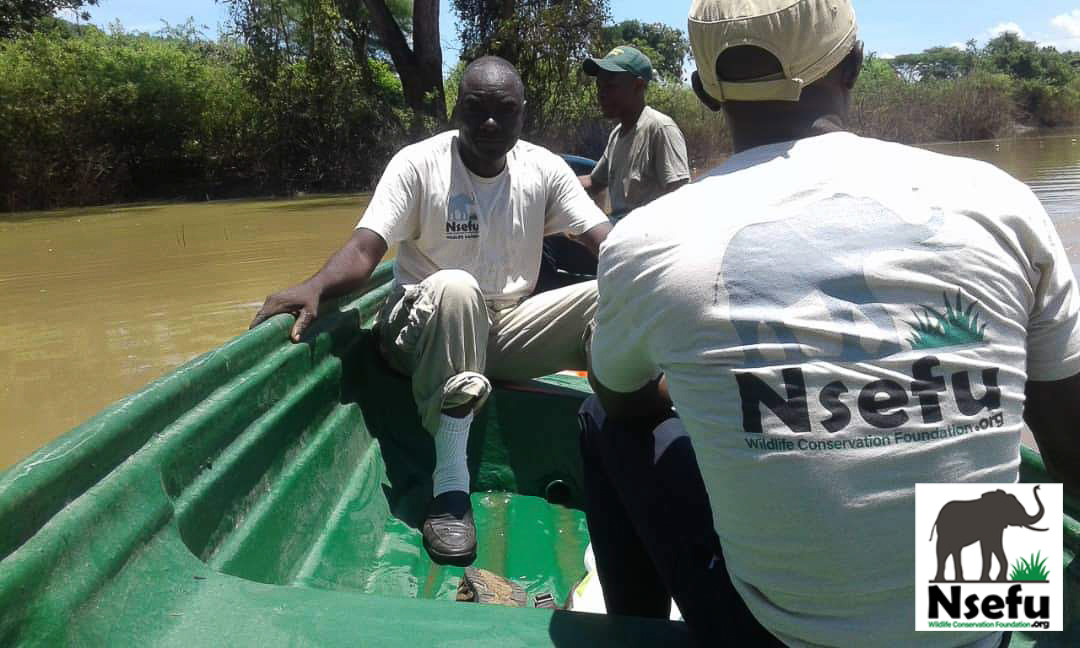
On March 14th, the Nsefu Team launched our first dedicated Anti-Poaching Patrol boat, The Spirit of Demian. The boat is named after our Co-Founder’s son, Max Demian Wallace. Demian was an important part of the local community and helped run the Zikomo Lodge and helped to get Nsefu Wildlife Conservation Foundation off the ground.
We’d like to thank Parklane International School and friend of Nsefu Tammy Rimes for their generous donation that made the purchase of the boat possible.
A message from our Co-Founder, Coe Lewis…
“The name The Spirit of Demian captures the essence of the man himself. The loss of our Co-founder Victory Wallace's son was a loss to us all. Larger than life, the character you never forget, and a passionate human who lived life to the very fullest no matter how tough it got...Demian was a bright comet racing through our lives. It was Demian's compassion, commitment, and love for Zambia that embodies everything our foundation stands for. The NWCF patrol boat could ONLY be named "The Spirit of Demian" because he is our spiritual guide...protecting wildlife and protecting the team for the future. May she sail with success saving wildlife wherever she goes!”
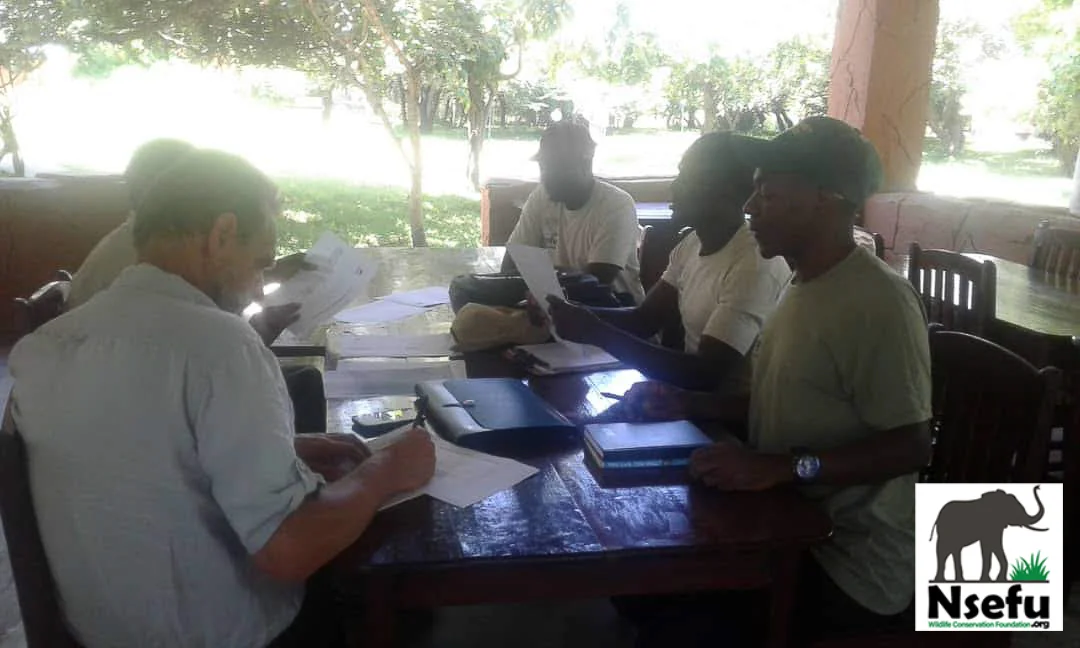
Letter to President Masisi of Botswana!
Please sign, forward to the email address on letter and share.

Please copy, add the date, sign, send and share the sample letter below. Links to a word and pdf format are also listed below.
EMAIL TO: op.registry@gov.bw
DATE…
Dr. Mokgweetsi Eric Keabetswe Masisi
His Excellency, President of the Republic of Botswana,
Private Bag 001, Gaborone
Botswana
Fax: +267 390 4017
Your Excellency, President Dr. Masisi,
The undersigned organizations representing millions of members and supporters around the world write to you today to sincerely and humbly request that you do not reinstate trophy hunting and that you also do not allow regular elephant culling.
In recent years Botswana has been hailed as a shining example of wildlife conservation, and a safe haven for elephants who are free from harassment by trophy hunters and where poaching is relatively low. Nonetheless, we are saddened of reports from the Monitoring of Illegal Killing of Elephant (MIKE) Programme under the Convention on International Trade in Endangered Species of Wild Fauna and Flora (CITES) that have pointed to an uptick in poaching in Southern Africa. In particular, Chobe National Park has experienced an increase in elephant poaching, according to the most recent MIKE report. We also acknowledge your concern about the prevalence of human-elephant conflict in Botswana.
However, trophy hunting and elephant culling does not deter poaching, nor does it resolve human-elephant conflict A successful elephant management plan should be science-based and sustainable in order to promote the long-term peaceful co-existence between humans and animals.
We are not aware of any country or community that allows trophy hunting and that also has no poaching or human-wildlife conflict. On the contrary, some of the highest levels of poaching of elephants and rhinos occur in countries that allow trophy hunting of these animals. For instance, the number of rhino poached in Namibia has increased from zero in 2014 to 80 in 2016, despite American trophy hunters having paid over a million U.S. dollars to the government of Namibia for the right to kill one of the few remaining critically endangered black rhinos on the continent. The Selous Game Reserve, a legendary hunting ground that once held the largest elephant populations in Tanzania, lost 80% of its elephants between 2007 and 2014, despite the prevalence of elephant trophy hunting in the country. The results of DNA analysis of seized ivory confirmed that 7 out of the first 10 seizures made between 2006 and 2011 originated in the cross border ecosystem of the Selous and Niassa Game Reserve, another renowned elephant trophy hunting area.
In fact, trophy hunting is harmful to wildlife conservation. Trophy hunters tend to target prime breeding males the killing of which disrupts the social structure and causes cascading negative impacts on populations, such as increased infanticide caused by the removal of dominant male lions and leopards. Conservationists have warned that trophy hunting is often poorly regulated, monitored or enforced and lacks vigorous, regular scientific reviews. The IUCN Red List assessment for the lion states that trophy hunting may have contributed to population declines in Botswana amongst other countries. Furthermore, the big cat conservation group Panthera remarked that there is little evidence that trophy hunting fosters increased tolerance of leopards or other large carnivores and therefore offtake by trophy hunting likely compounds, rather than relaxes pressures on local leopard populations as new individuals move in to fill the niches caused by trophy hunting.
Elephant culling is not a permanent solution to human-elephant conflict. It may remove the problem for a time, but it will not control the continued growth of the elephant population, or the movement of elephants into the areas vacated by the culled elephants. Furthermore, culling causes immense social disruption, the consequences of which may result in increased elephant aggression and disturbance behaviour for many decades, detrimental to residents and tourists alike. There are many proven, science-based techniques being used successfully to mitigate human-elephant conflict in other African countries. We urge you to employ these over culling.
Elephants are an iconic African species, beloved by millions of people around the world, many of whom travel to Africa every year to personally experience the majesty of elephants and Africa’s other majestic wildlife.
Botswana should take pride that no other country can claim to be the last safe area for elephants. We urge you to continue to uphold Botswana’s upstanding conservation legacy by continuing to prohibit trophy hunting in public lands and not allowing elephant culling.
Your Excellency, we extend our most sincere gratitude for your consideration of these comments.
Sincerely,
YOUR NAME…
cc: Dr. Jeff Ramsay, Deputy Permanent Secretary for Media, Ministry of Communications, Science and Technology. jramsay@gov.bw