CONSERVATION NEWS
A Message from Coe, Victory, and Team Nsefu!
2020 will go down in history as a life-altering year for the entire planet!

Dearest friends and supporters of Nsefu Wildlife,

Wow! Who knew we would STILL be in the midst of the global COVID pandemic with no end in sight? Yes… 2020 will go down in history as a life-altering year for the entire planet and we sincerely hope that this newsletter finds you and yours safe in these uncertain times.
As you can imagine, these are extremely challenging times for everyone, especially smaller foundations like ours. In all the uncertainty…not surprisingly people have retreated into a “safety” mode and their donation routines have changed dramatically. Unfortunately that is the death knell for many fine organizations this year and beyond. It pains us because having a foundation like we do, we fully understand and empathize how soul-crushing it can be to see all your hard work, accomplishments, and investment in real jeopardy.
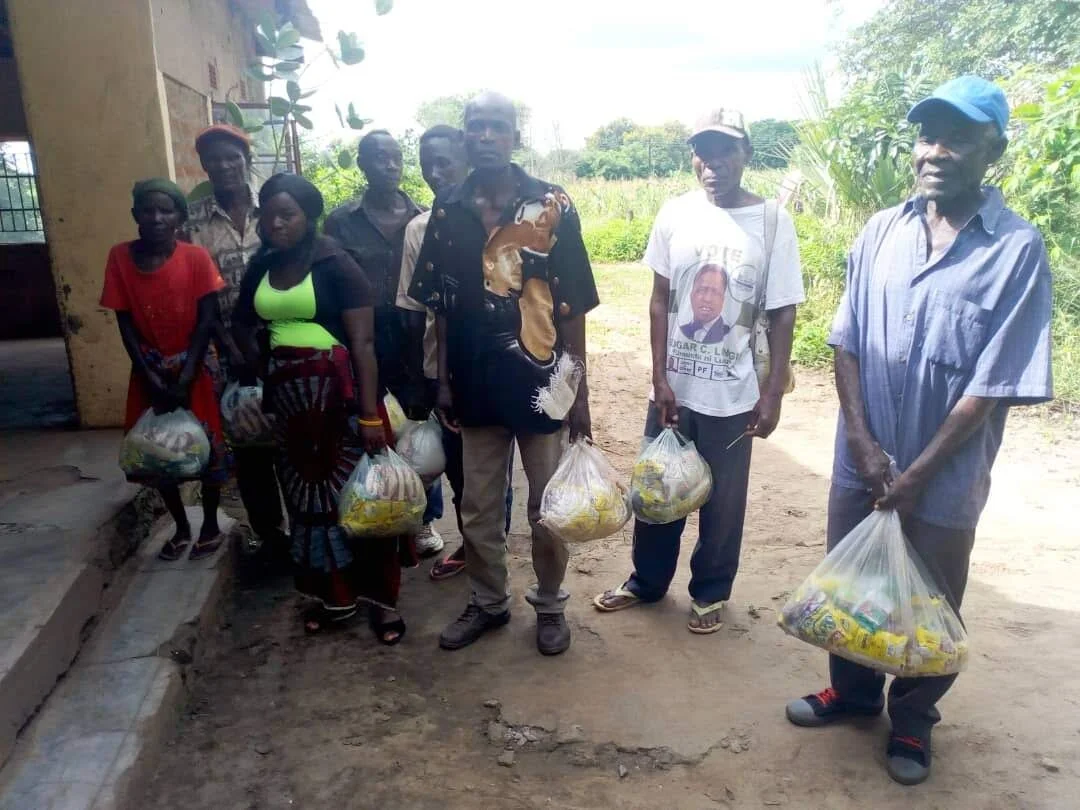
The slide towards extinction has ramped up due to the lack of conservation wildlife teams on the ground compounded with the lack of tourism which actually helps protect animals with the presence of people in the regions. Despite the downturn, our team staunchly agreed that we would do what it takes to keep our Nsefu Wildlife Ranger Team operating full-time. That means salaries, supplies, food, and fuel. These past 6 months we have kept our critically important team working, but it hasn’t been easy. Furthermore, to be an excellent example in the field of conservation…we felt it important to maintain project managers and teachers on half pay. As much as we would like to keep everyone at full pay, we simply can’t afford it in the current environment. We knew their work would be significantly altered with COVID, but we did NOT want to create a need to “survive” in an already distressed region. We are keeping them safe and keeping food on their table, thus reducing the need to poach or snare in order to eat.

Poachers have been given free rein in Africa and illegal activity has dramatically increased around the world with less organizations being able to do their jobs and cash-strapped governments. And our recent reports reflect that snaring has dramatically increased in our region, and we can assume the rest of the continent. We cannot flinch in the face of COVID. We have come so far and when we made our commitment to protect wildlife five years ago, we made the commitment for the long term. We hope we can count on you for the long term as well. There is much to do and there is wildlife to save. We thank you for your support and we are grateful for your amazing friendship,
Coe, Victory, and Team Nsefu

Nsefu Wildlife's key programs!
The Nsefu Wildlife Women’s Sewing Program Steps Up in the fight against COVID We are proud to share with you that the Nsefu Wildlife Women’s Sewing Program was the first in the region to step up to help stem the spread of COVID in the Nsefu Sector. Our women got to work making masks for our Nsefu Team as well as the community. They have been a huge hit and much appreciated by the residents of Nsefu. We are proud of our women who learned a useful trade that helps support them and their families and helps support the community when needed. It’s all part of our being an excellent community partner…being there in good times and bad times! We are indebted to our donors who stepped up to help support our women’s sewing program!

Three Nsefu Wildlife Village Scouts go for official Ranger Training!!
We know you will want to wish our 3 village scouts Maless Banda, Frank Chulu, and Mackenzie Phiri “good luck” in their National Parks and Wildlife Dept official Ranger Training Program. This is an intensive training course mandated by NPWD for all rangers working in Zambia. These three worthy scouts have longed for this chance in their professional career and we were happy to get them the training required to be part of sanctioned wildlife patrols. They will learn the important skills and training they need to be effective in the field and to protect themselves in a very dangerous job. Approximately 1,000 rangers have been killed in the line of duty in the last decade (not including 2020) and 1 in 7 rangers has been seriously injured in the line of duty. Protecting wildlife is a VERY serious and dangerous job and we want our rangers to have the best opportunities to excel with safety in mind. We are very proud of Maless, Frank, and Mackenzie!!!!
It’s Soccer time in Nsefu!!!

Thanks to our wonderful friends Danny Donnelly and Ben Protas Sr. at 5 Star Communications and the Thompson Family, the wonderful kids of Nsefu have started playing organized soccer! As part of our all-encompassing anti poaching initiatives…keeping children busy and focused is a critical piece of the conservation puzzle. Nsefu Wildlife Director Steve Zulu did an excellent job surveying the residents of the sector and it was identified that sports and after-school activities were a big need in the community. Keeping kids from being swept up in poaching and snaring is critical to our success. So it was decided to have 24 teams set up for both boys and girls and thanks to 5 Star’s wonderful donation of soccer balls…we got the program going! We’ll have more items for the teams going over as soon as we get our container sent over early 2021. Due to COVID…everything has been pushed back, but we will be sending over Team shirts and jackets and more soccer gear thanks to 5 Star Communications and the Thompson Family!
Nsefu Wildlife is there in times of triumph and tragedy.

We love to celebrate with the wonderful people of Nsefu in the good times, and we are there in the difficult times….be it flooding, COVID, and in the loss of life. As you can imagine, there are dangers everywhere including human and animal conflicts and encounters. People lose their lives to elephants, lions and more, and sadly we had just this case in that a mentally-challenged local man was killed after approaching a herd of elephants. We work incredibly hard to keep the relationship of humans and animals in harmony, and it is a real fear when things like this happen because of reprisals against wildlife, and in this case elephants. We reached out to the man’s family with a donation to help them cope with the loss and help with his burial. We are heartbroken for the family and we wanted to be there in their time of need. That is part of who and what we are. We love the people of Nsefu and when they hurt, we hurt. Your generous donations help where help is needed.
God Bless the family from all of us at Nsefu Wildlife.
Nsefu Wildlife Species Review - The Spotted Hyena
Welcome to our new section, featuring one of the species of fauna or flora that can be found within the Nsefu Sector where Nsefu Wildlife Conservation Foundation (NWCF) operates!
Meet Our Neighbors!
Chimbwi – The Spotted Hyena (Crocuta crocuta)
Story by NWCF
Welcome to our new section, featuring one of the species of fauna or flora that can be found within the Nsefu Sector where Nsefu Wildlife Conservation Foundation (NWCF) operates!
Through this section we wish to give our readers a small glimpse into the very lives we are all committed to bettering, and give you the reader a better understanding of the animals that exist in our region and their place in the ecosystem. We hope that this section will not only entertain and educate, but also create a sense of connection to the amazing wildlife that Zambia, and all of Africa is renowned for. For many animals, their future is in human hands, and for every person brave enough to stand up for them, the chances of our grand kids as well as the animals themselves being able to enjoy their existence increases ever so slightly.
So, thank you for being here, and thank you for everything you do to support our efforts. It means the world to us, and it means their world to them.
On to Chimbwi!

Photo: Zikomo Safari
When someone in our everyday life mentions Spotted Hyenas (Crocuta crocuta) it often conjures images of the 3 hyenas Shenzi, Banzai, and Ed from the movie The Lion King. We in western society tend to think of hyenas as foul tempered, dimwitted, and cowardly scavengers who subsist off the work of other animals by eating what real predators throw away. This erroneous perspective is not unique to western societies as many cultures, including the ones that get direct exposure to these animals tend to view them much in the same way.
Many cultures have serious negative stereotypes of these highly intelligent and socially complex creatures, one such example of this comes from within Zambia itself where spotted hyenas are credited with the creation of the Baobab Tree.
The story goes, that God came down and asked all of the animals of Africa to plant a tree for him, and that the hyena, being dimwitted as it was, planted theirs upside down so that the roots were exposed instead of the branches. This tree survived the hyenas ineptitude and its descendants are now known today as Baobabs! So next time you’re in Zambia and you see a Baobab, don’t forget to thank a Spotted Hyena!
As hilarious a thought as this may be, these sorts of beliefs have been prevalent throughout history in human societies and have given rise to a deep resentment and disgust of these animals, most of which they do not deserve. As we will see further on, these animals are actually quite adept predators as well as highly intelligent and competent at cooperative problem solving.
Where did they come from, and where did they go?
Spotted Hyenas are one of four (4) extant species within the family of Hyaenidae, which falls into the suborder of Feliformia within the order of Carnivora. Yes, you read right, all Hyenas are actually felids! Who would have thought Mittens the Kitten was more closely related to hyenas than trusty old Fido?

Photo: Zikomo Safari
There are 3 extant genera within Hyaenidae with 4 distinct species, the Spotted Hyena (Crocuta crocuta), Striped Hyena (Hyaena hyaena), Brown Hyena (Hyaena brunnea), and Aardwolves (Proteles christata).
Spotted hyena are the only species in Hyaenidae to exhibit complex social interactions and are one of the most versatile hunters on the African continent. But where did they come from? The earliest recorded hyaenid evolved in the Eurasian region some time during the late Miocene era, and was described as closely resembling a modern day civet.
This species (known as a Tongxinictis) existed around 22 million years ago (mya) and gave rise to every species of hyena we know and love today (and up to today). Around 10-14 mya there were two distinct types of hyenas spanning 30 different known species. These two types were the dog-like hyenas (resembling jackals) and the bone crusher hyenas (which survived to live on in the current extant species). However, around 5-7mya the planet experienced a period of climate change which opened the Bering land bridge and allowed canids from North America to cross over thus increasing natural pressures like competition for resources on the dog-like hyenas. This combined with the increase in pressure from a changing climate, wiped out all dog-like hyenas by amount 1.5mya.
Now, we know what you’re going to ask, if the canids can cross the land bridge why couldn’t the hyenas? Short answer, they did! At least one species of the dog-like hyenas did anyways, however due to the pressure exerted by the competition within their niche, they could not survive within it so they actually evolved out of the bone crushing niche adopting more of a cheetah-esque sprinting strategy for prey acquisition. Basically picked a new evolutionary job description and literally ran with it.
The bone crushing hyenas fared well as scavengers even with the introduction of canid competition and around 5mya became the dominant scavengers across Eurasia mostly feeding on herbivorous animals killed by other predators. These animals evolutionary path brings us all the way down the lineage to the 4 remaining species within Hyaenidae.
Amazingly, the historic range for existing hyena species used to cover much of Asia, Europe, and Africa which is a whole lot of territory!


Based on mtRNA evidence there are 3 major migrations known of Hyenas from Africa to Europe, the first of which occurred 3.5 million years ago! Sadly, around 20,000 years ago much of the favored habitat in Europe and parts of Asia began to disappear and the hyenas were unable to compete with both wolves and emerging human competitors. This is likely what drove them out of Eurasia and exist solely in Africa where they continue to be persecuted and their habitat continues to decline in many areas.
In the Spotted Hyena world, the ladies rule.

Photo: Zikomo Safari
One thing that really bucks the system of biological and social standards for mammals is the fact that in the spotted hyena world, the ladies rule. When spotted hyenas get together to form clans (some up to 80 individuals!), the clan is ruled by an alpha female, often determined by her size and ferocity, with each subsequent female subordinate to her and her pups. That’s right, her children inherit her social rank, not their fathers!
This is problematic for pups born to low ranking females however, as they are subordinate to pups of higher rank, and will remain so until they grow large enough to literally fight their way to higher status. Now you’re probably asking, wait, what about the males in the clan? Well, there is also an Alpha male within the spotted hyena hierarchy as well, and his position in the status totem pole is directly behind the lowest ranking female in the clan. That’s right, the highest male is behind the lowest female in terms of both food, protection, and social status. This is easily explained by the fact that females are surprisingly the bigger of the two in terms of size (up to 10% larger!), and often more aggressive as well. Even smaller females can usually beat up a standard sized male in a fair fight, which rarely exists in the hyena world as well.
We can be forgiven if all this complexity may sound confusing at first, because it is! Spotted hyenas social interactions and structure have been shown to be as complex as primates, and sometimes more so! This denotes an extraordinary level of intelligence compared to what was previously thought and in some cooperative intelligence tests spotted hyenas even outperformed their primate adversaries! So much for being dimwitted.
Another thing that rocks the mammalian world, is that female spotted hyenas also have genitalia that resembles a males genitals. Female spotted hyenas have what is called a pseudo-penis which led to a long time belief that hyenas were in fact hermaphrodites or other such odd beliefs such as ancient Roman naturalist Pliny the Elders belief that it changed its sex back and forth from one year to the next. This is of course not the case, as the females have all the usual internal genitalia, however the key difference is that the clitoris has enlarged to resemble a phallus and the labia have fused behind it to resemble testicles.
The females also give birth through this phallus, the first time of which is said to be excruciatingly painful for them. They also must practice mating with males (and vice versa) as they can only mate if the female and male exhibit a difficult cooperative effort that allows the male to mate successfully. Scientists are uncertain as to the purpose this evolutionary trait serves, one hypothesis being that it is a direct result of females actually possessing unusually high levels of what are typically considered male hormones called androgens (correlating evidence being that alpha and higher ranked females often have higher androgen levels than subordinates) which is what makes them more ferocious and aggressive. This however was disproved by scientists blocking the fetus from receiving androgens in a lab environment and the female still developed her enlarged clitoris. So, the jury is still out on this peculiar biology, but someday (hopefully soon!) scientists hope to understand where the unusual female genitalia came from and what evolutionary advantages led to it.
Recycling champions of African Wildlife.
Spotted Hyenas have long been seen as cowardly opportunists, which is shown to be false as studies have shown that on average around 95% of the food that adult hyenas eat is from kills that the clan or individual has made.

Marcel Oosterwijk / wikimedia commons
Hyenas are one of the most effective pack hunters on the African continent (sorry, not sorry to lion aficionados) with the ability to reliably take down prey items as large as wildebeest with alarming regularity shown to have success rates of around 30% in a study by researchers K. E. Holekamp et al. in a 2009 article published in the Journal of Zoology. Ironically, these kills are often stolen by a pride of lionesses scavenging the hyena kills when the hyenas do not vastly outnumber them. Not very prideful if you ask me.
When it comes to whether males or females do the bulk of the hunting, hyenas are quite equally matched. Neither sex is better at hunting, rather the age of the hyena and experience level are what makes individuals better hunters within the hyenas society. Both males and females go out on the hunt, leaving the young often hidden in specific “safe” locations. The hunts can take up to a few days sometimes, so the females have evolved highly nutrient rich milk to sustain the young that are unable to hunt until they return. When a kill is made, the alpha female always eats first, with each rank downward being allowed to eat after their higher ranked individuals had their fill. Males are often dead last in the feeding order and will be attacked or even driven off a kill (even if they killed it!) if they try to eat out of turn.
Another cool and unique feature of spotted hyena biology is the fact that their bites can create almost a half a ton per square inch of pressure (800lb per square inch)! This combined with their stomachs ability to create a super concentrated stomach acid allows them to digest even the bones of an animal thus making them a recycling force to be reckoned with on the African savanna! Just goes to show that those of us who claim to have cast iron stomachs, still have nothing on hyenas.

Thanks for all of your support!
We hope that we all learned some cool facts today about our very misunderstood neighbor in the Luangwa Valley. We here at NWCF appreciate everyone who helps us look after and conserve these valuable and amazingly awesome species in Zambia, and we hope that you enjoyed our pilot introduction to one of the fantastic animals you can find in our region. We will continue to do periodic articles like these so we can introduce everyone to the wonder of African wildlife and some of the amazing things that they can do! So on behalf of Chimbwi (which means Spotted Hyena in the Nsefu sectors local language Nyanja) and all of us here at Nsefu Wildlife, I would like to say Zikomo kwambiri ndikukhala ndi tsiku lopambana (Thank you so much, and have a great day)!
If there are any questions, comments, or requests for species to be covered in the future, feel free to contact us at nsefu.org/contact or send us an email at info@nsefu.org and we will get back to you as soon as possible.
New Secondary School under construction!
Building new schools is one of our primary objectives!

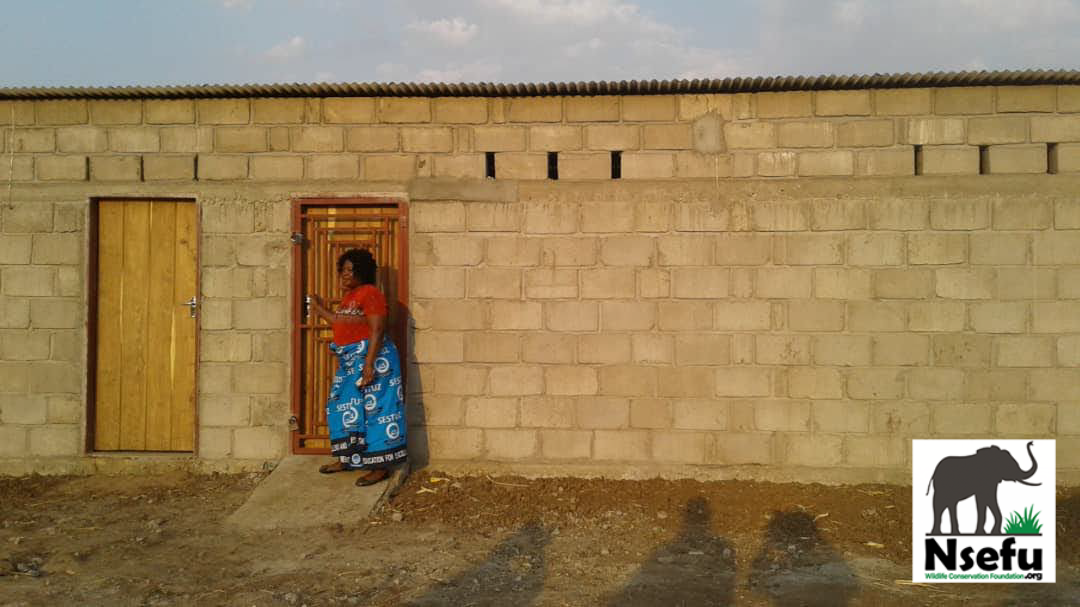
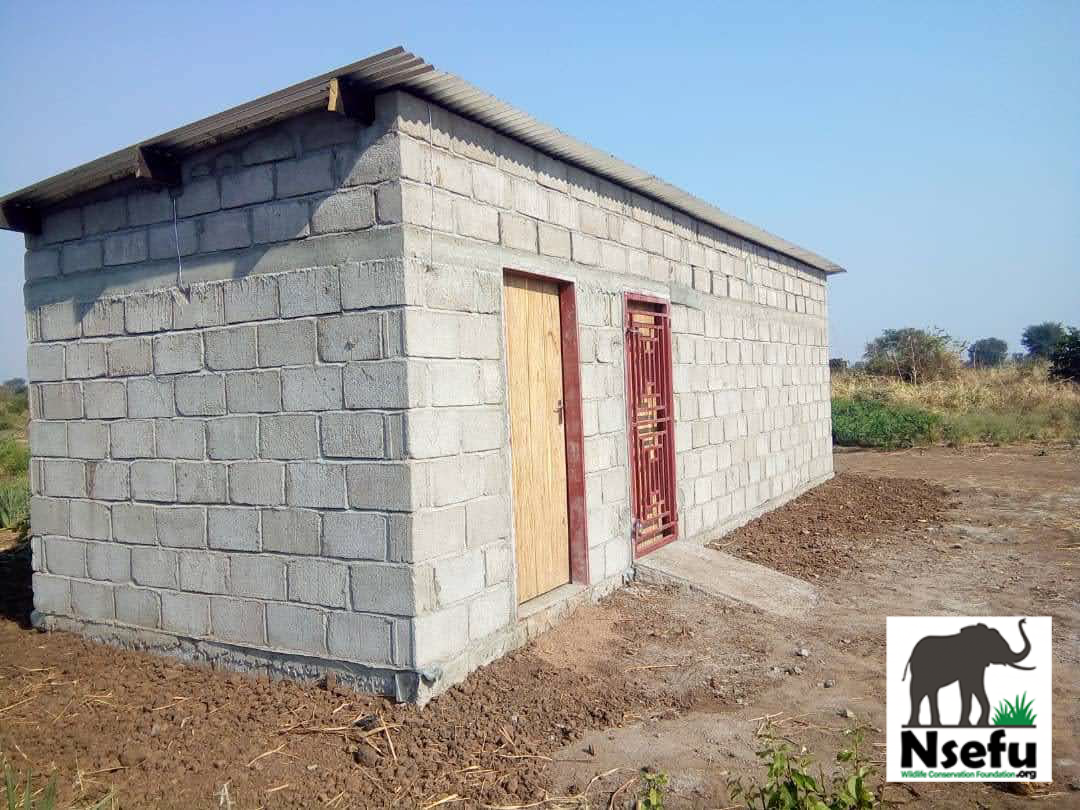
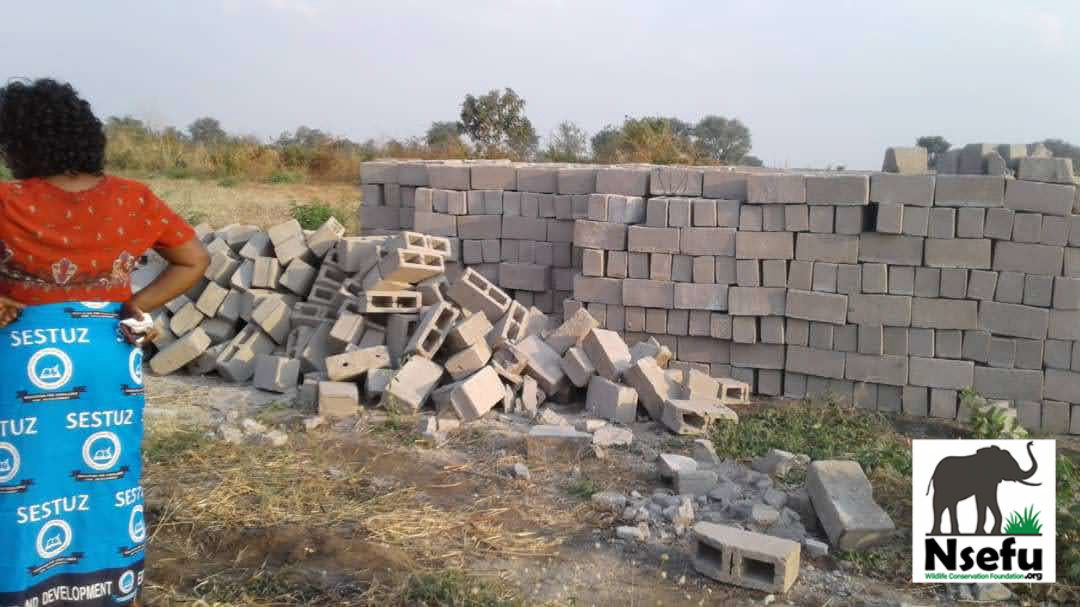
Recently built Store Room to house building supplies.
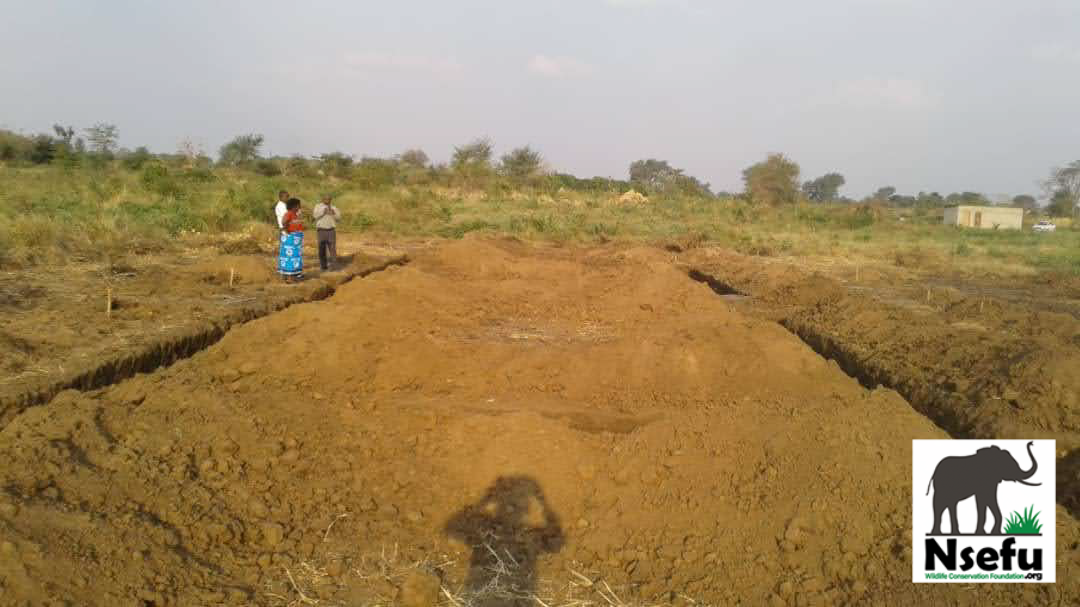
The Nsefu Sector has 9 schools and one secondary school. Due to the lack of proper classroom buildings, the secondary school students share classrooms with the Chabwera primary school. With the help from our partner, Parklane International School, from the Czech Republic, we are on our way to build the Nsefu Secondary School.
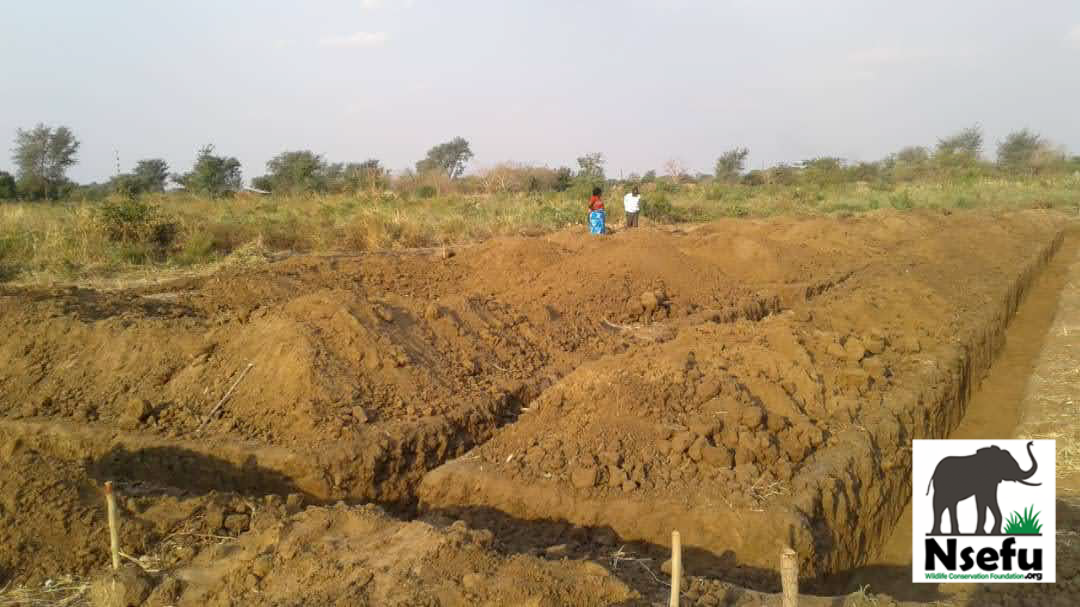
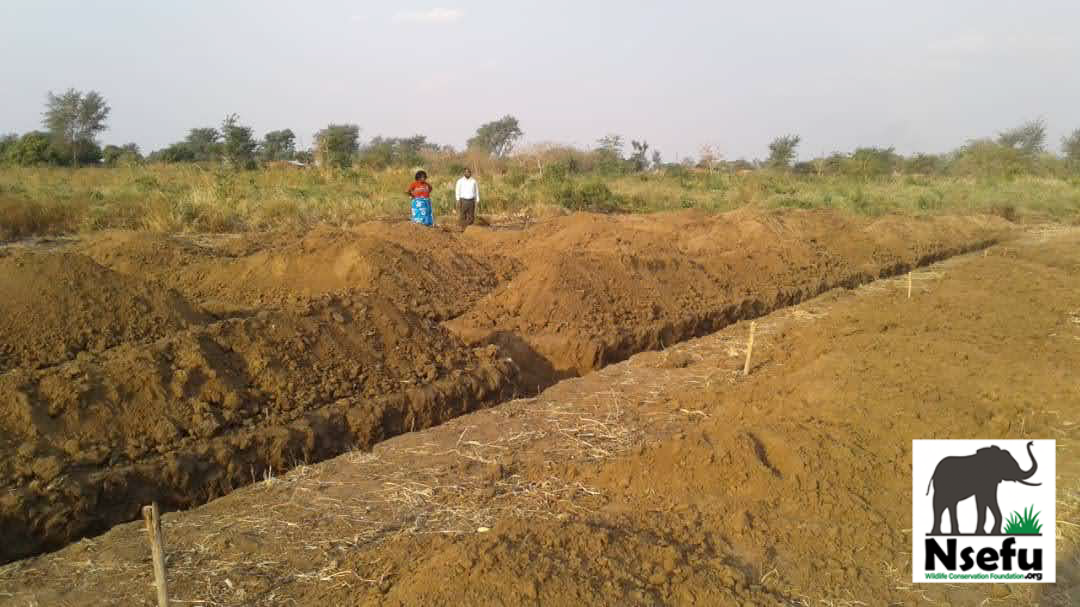
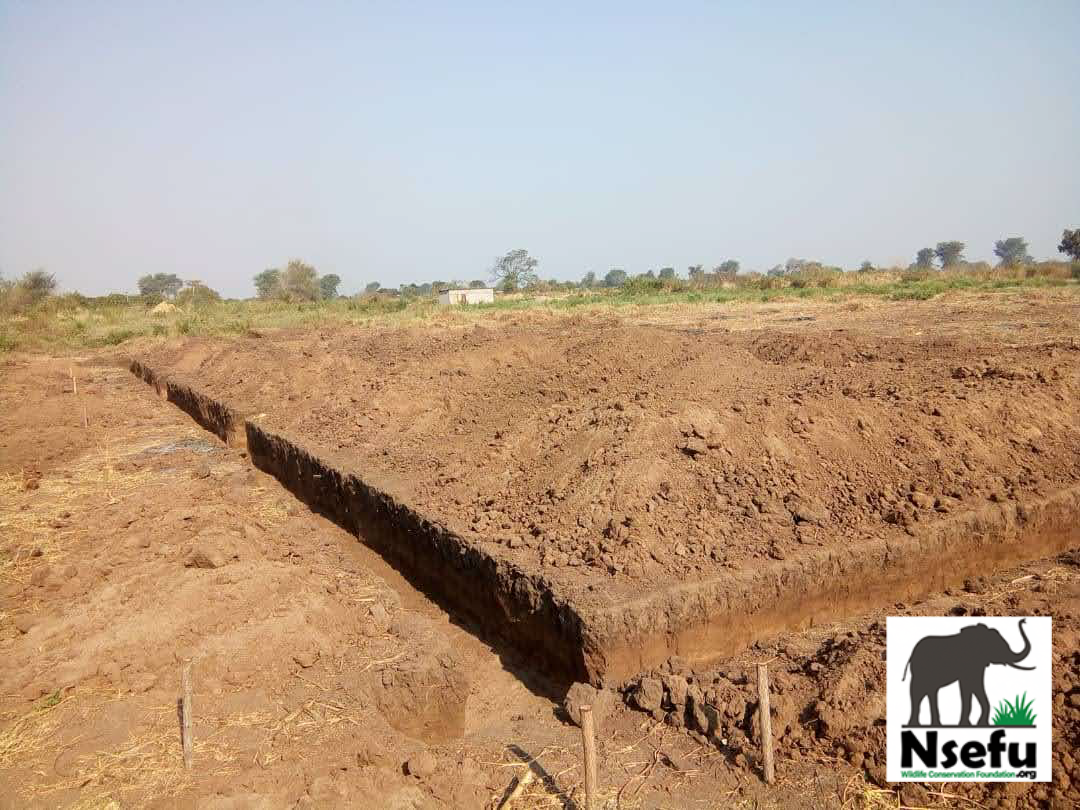
This is very important because the Nsefu Secondary School is going to have is own separate building on its own site. The ministry of education supports the project. The work is moving ahead and soon we'll start to cast the foundation of the school!

Thanks again to Parklane International School for helping to fund this project. What has been accomplished so far.
Find a contractor and signed the contract.
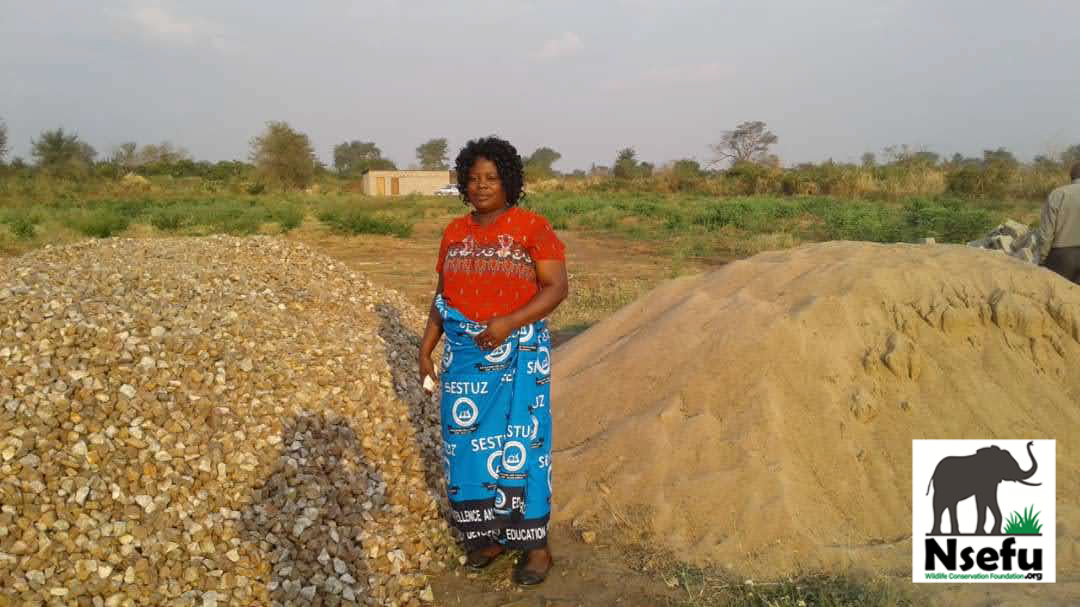
Organize the community to clear the land and bring upfront material, sand and crushed stones (but we paid for transport).
Build a storeroom for storing the materials of the coming school building.
Find a security guard to watch over the materials.
Procure some of the materials for the main building, sand, crushed stones and blocks.
Dig the foundation of the main building.
If you'd like to help fund this and other important projects, please consider donating to Nsefu Wildlife
Nsefu Wildlife Ranger Training
Ranger training is tough, but well worth it!

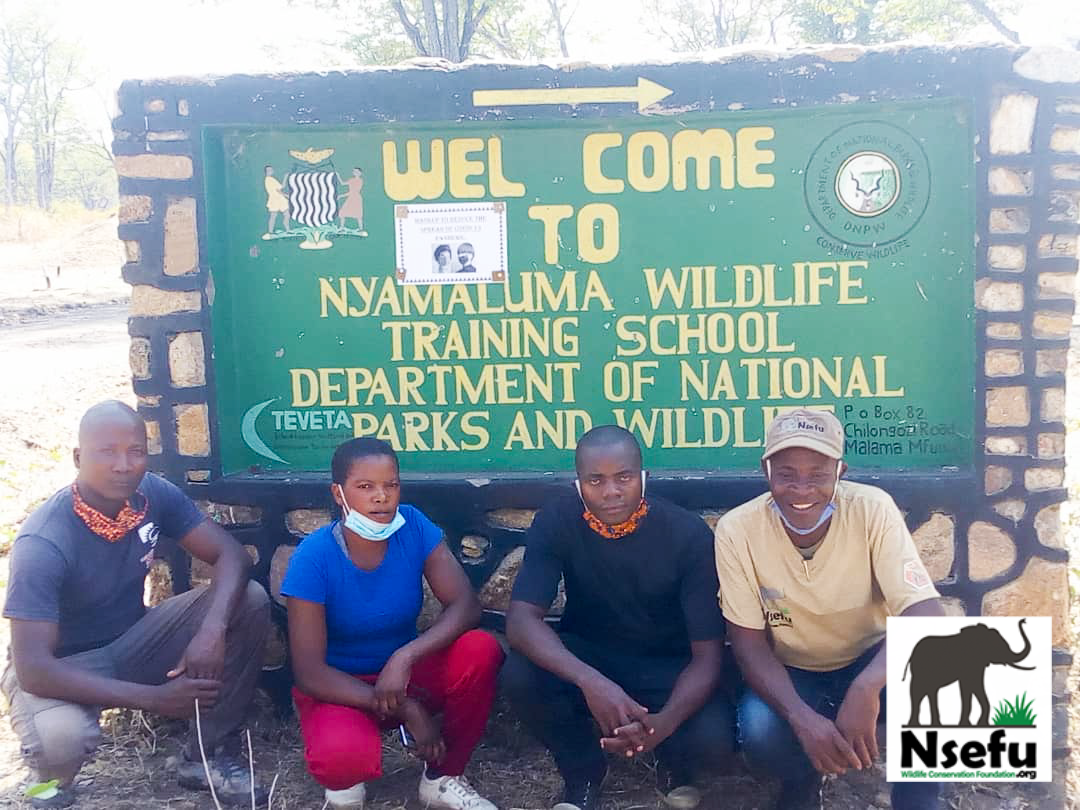
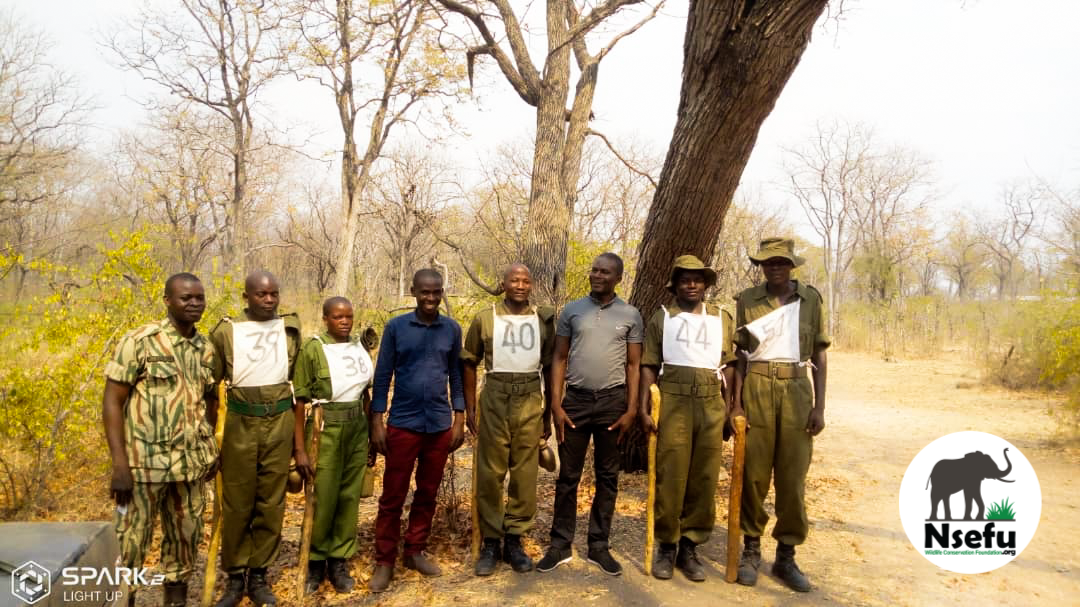
Rangers Maless, Mackenzie & Frank
Recently, three Nsefu Wildlife Rangers joined official ranger training at the Nyamaluma Wildlife Training School which is part of the Department of National Parks and Wildlife in Zambia.
This training is meant to teach vital skills using military style tactics. This training will better help rangers to survive conflicts and put the poachers out of business. Our Rangers can't stop poaching on their own.
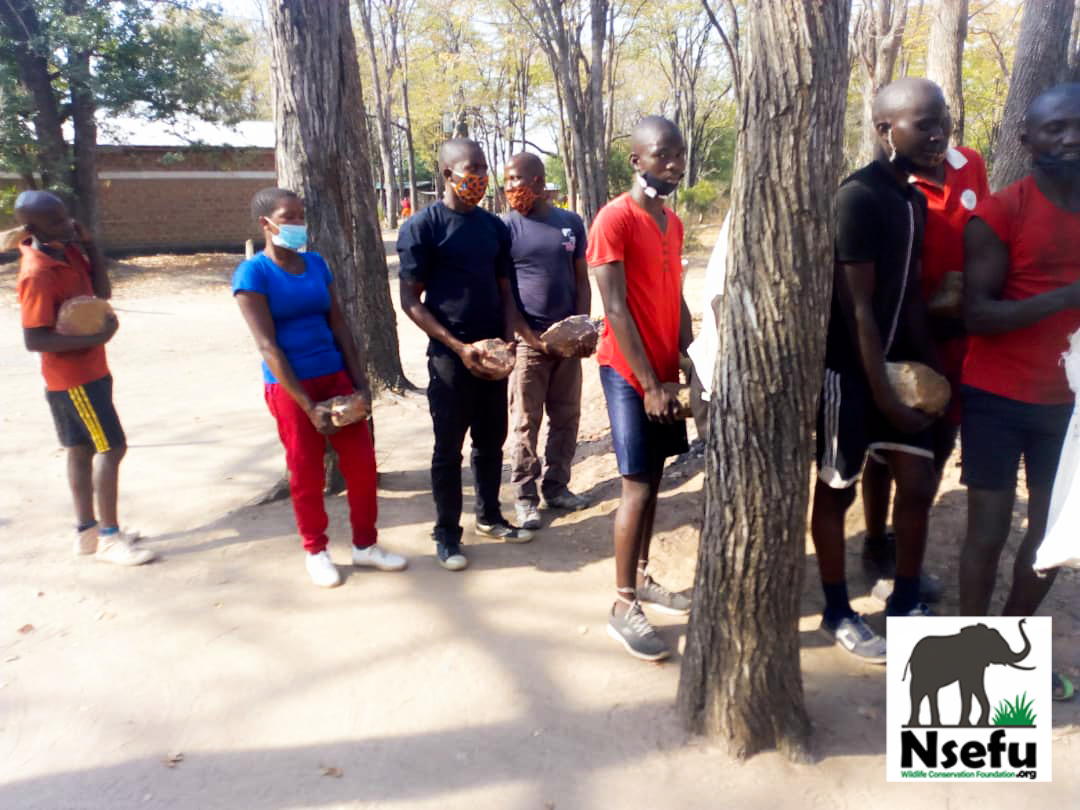
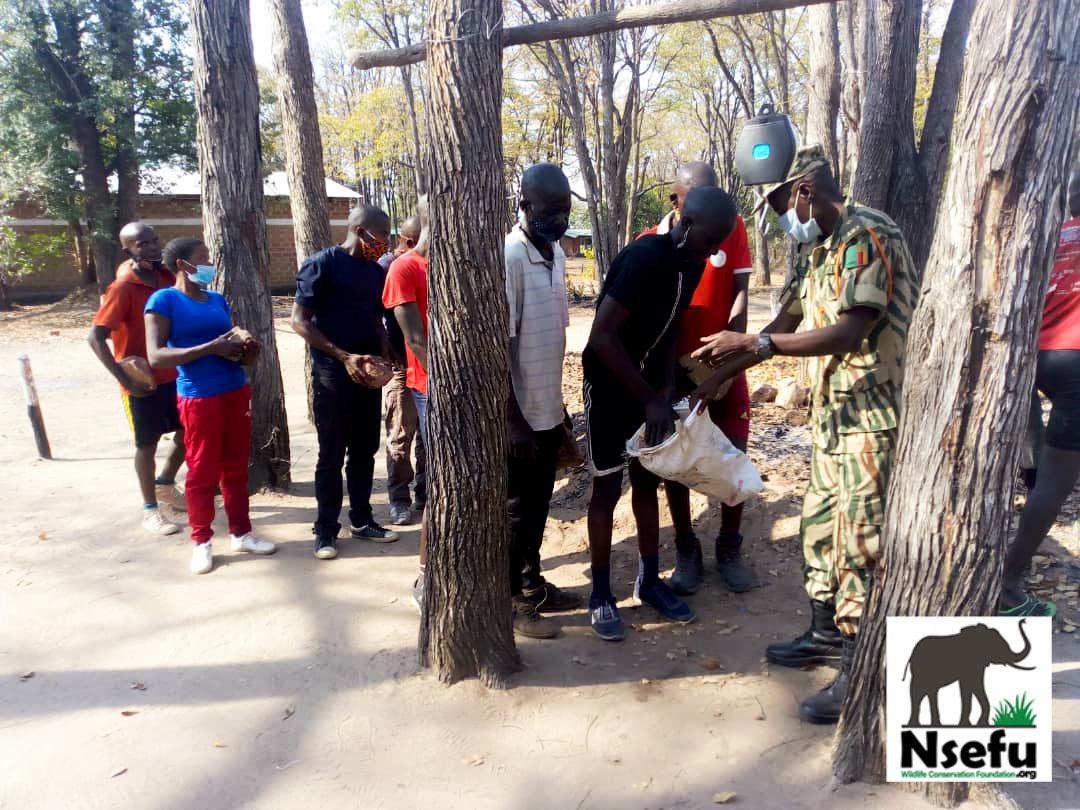
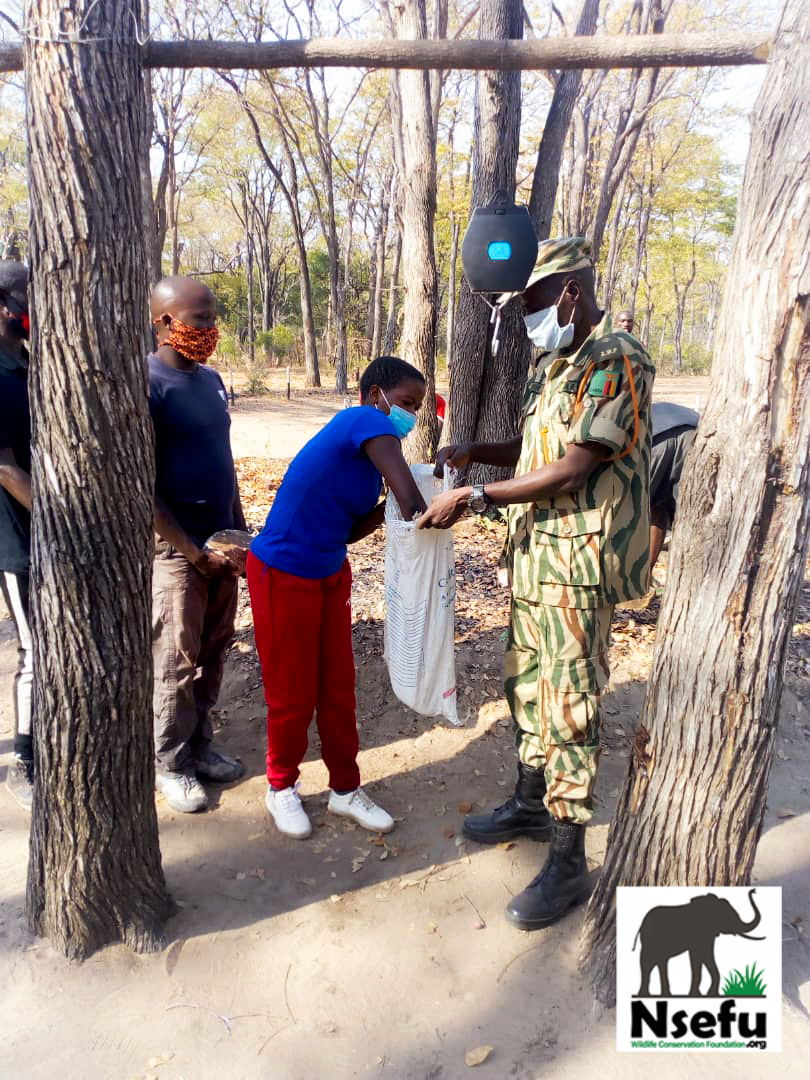
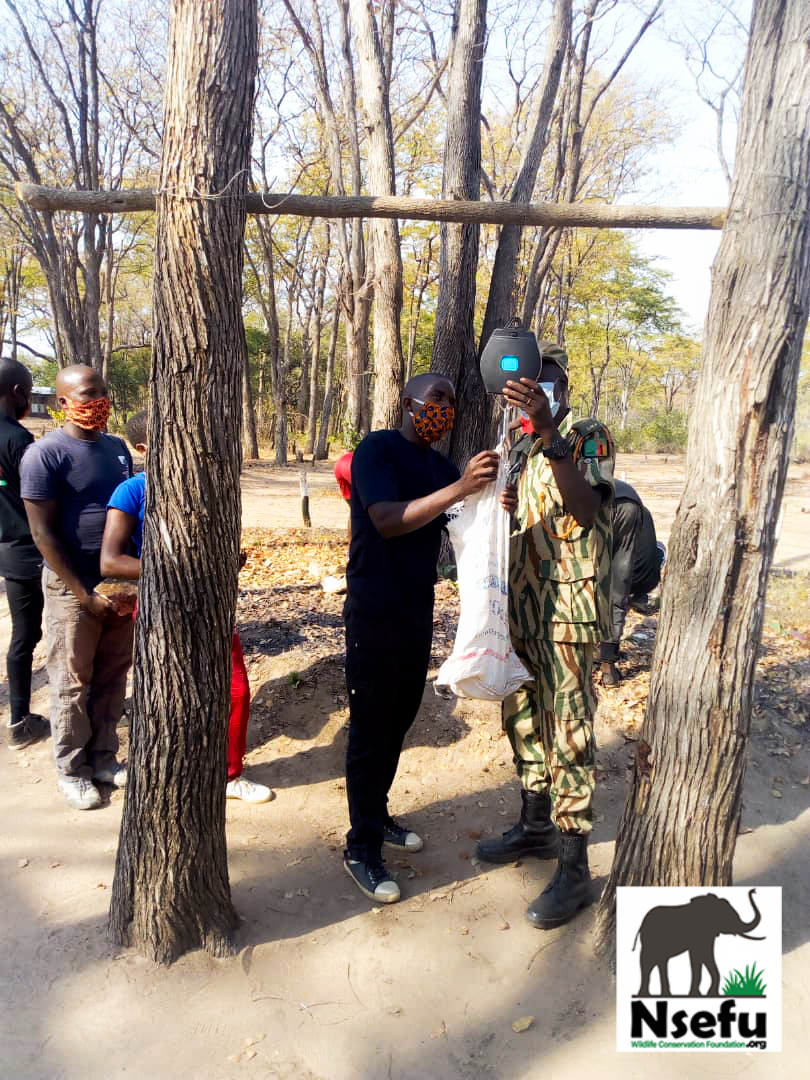
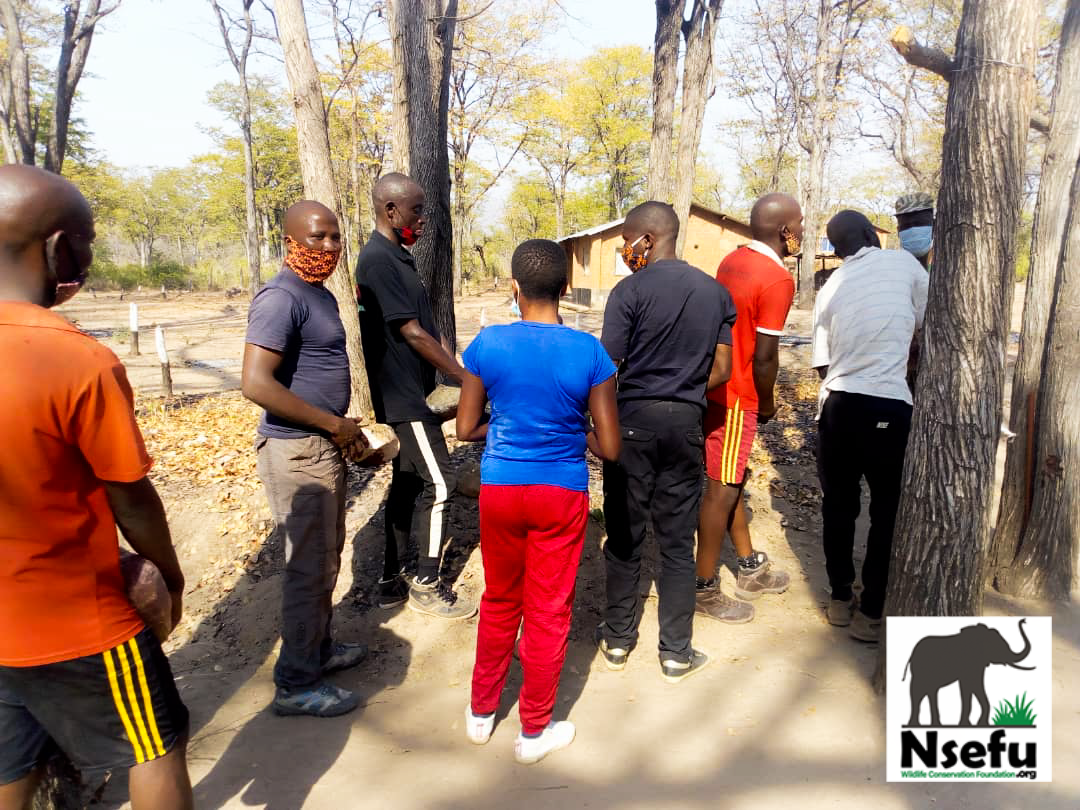
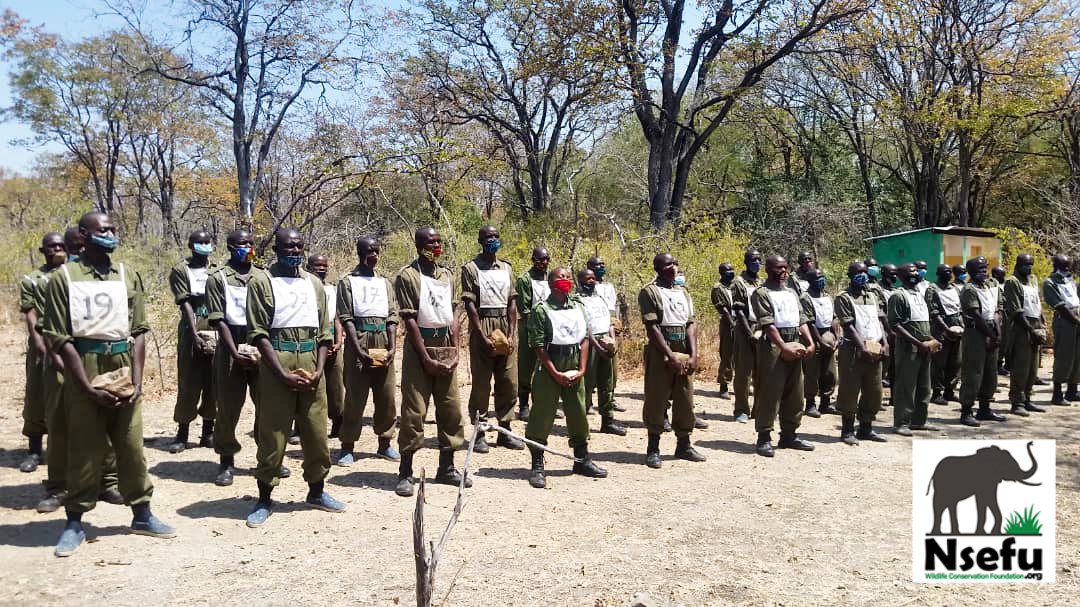
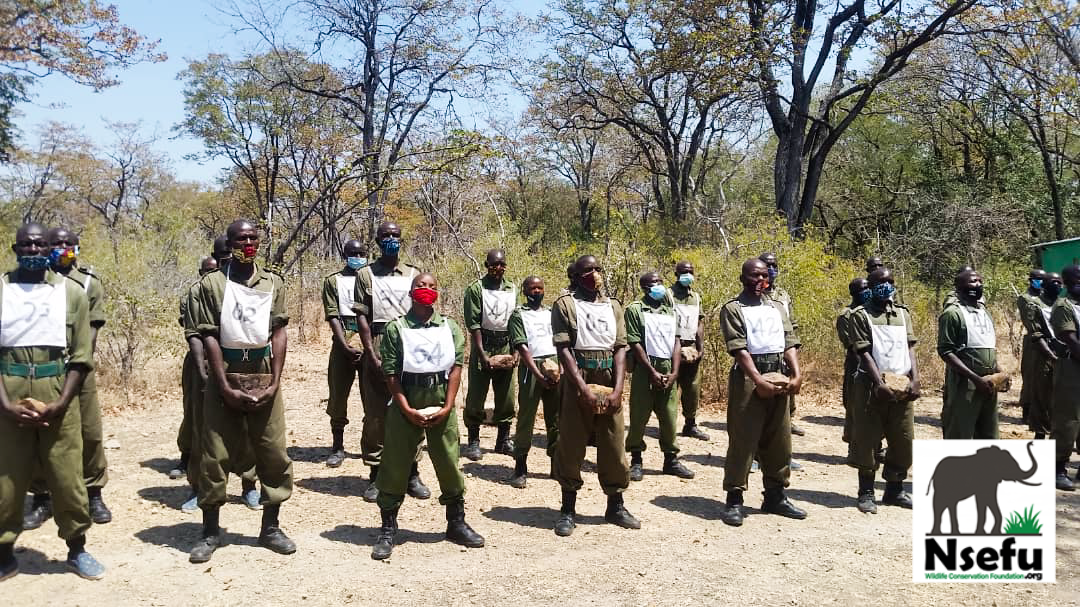
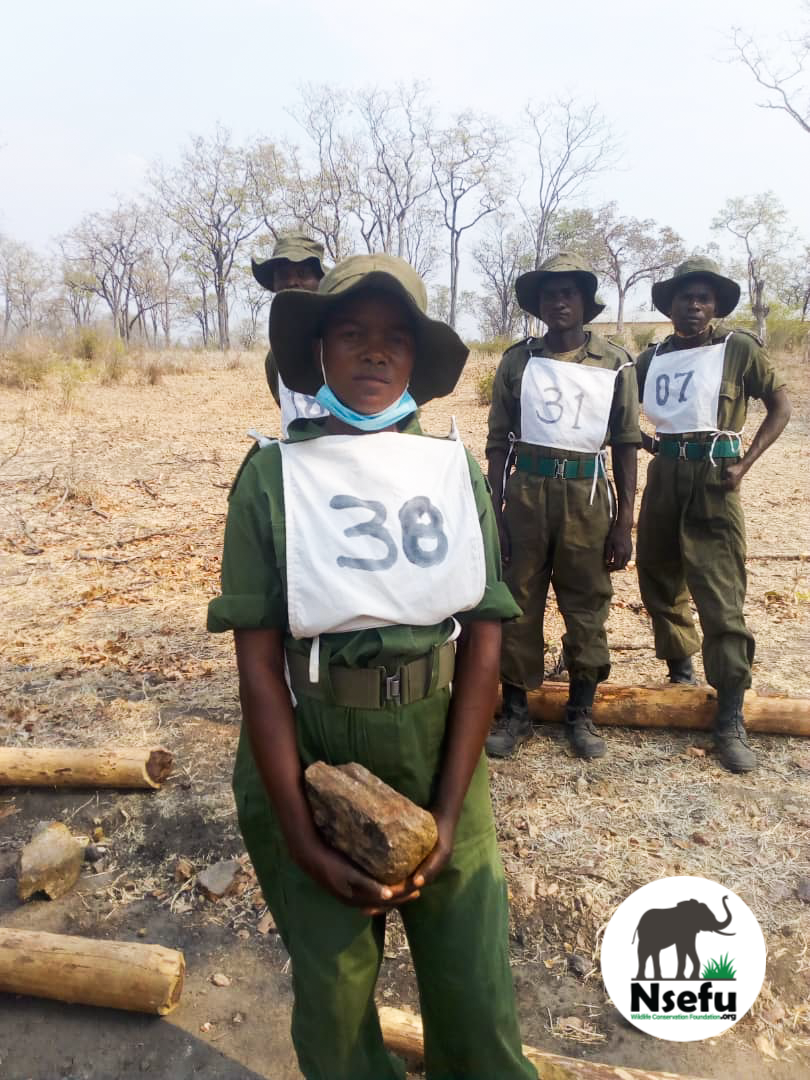
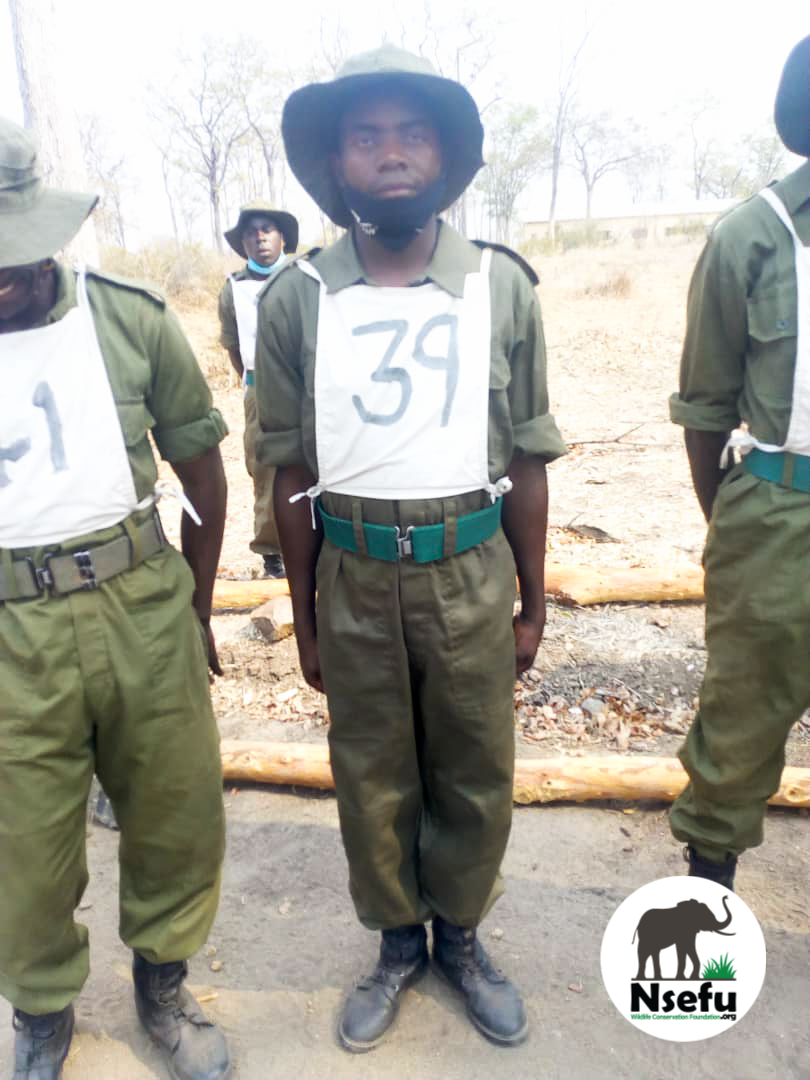
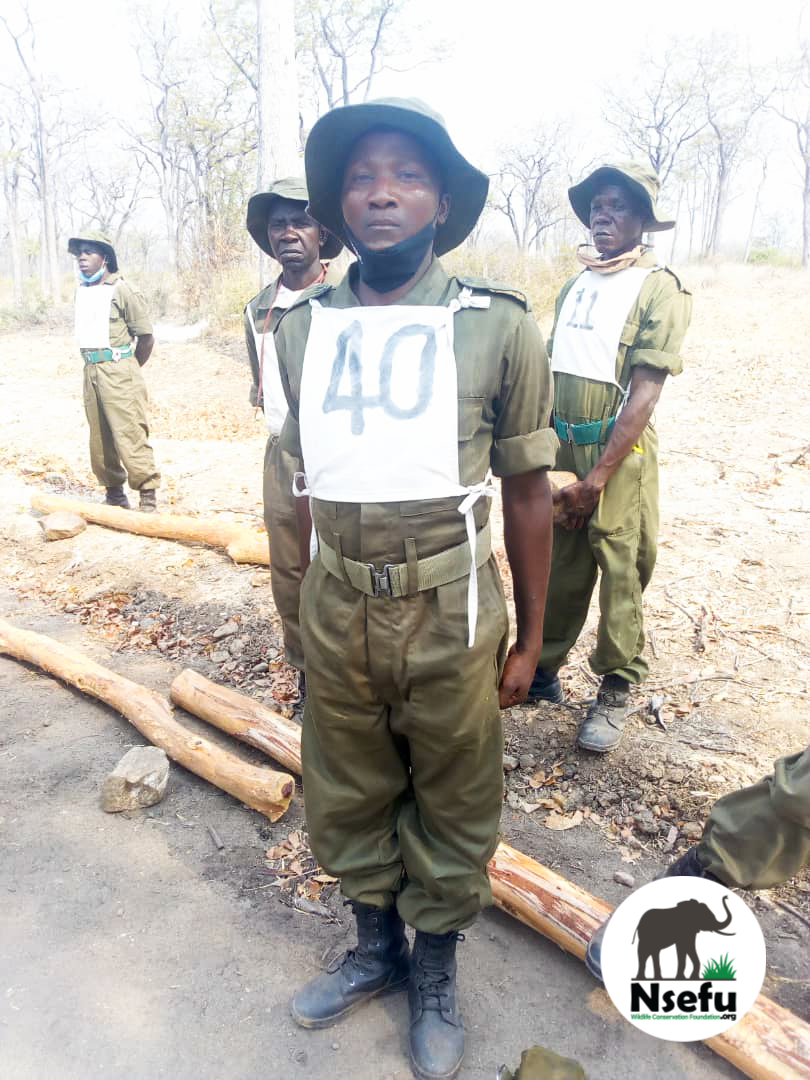
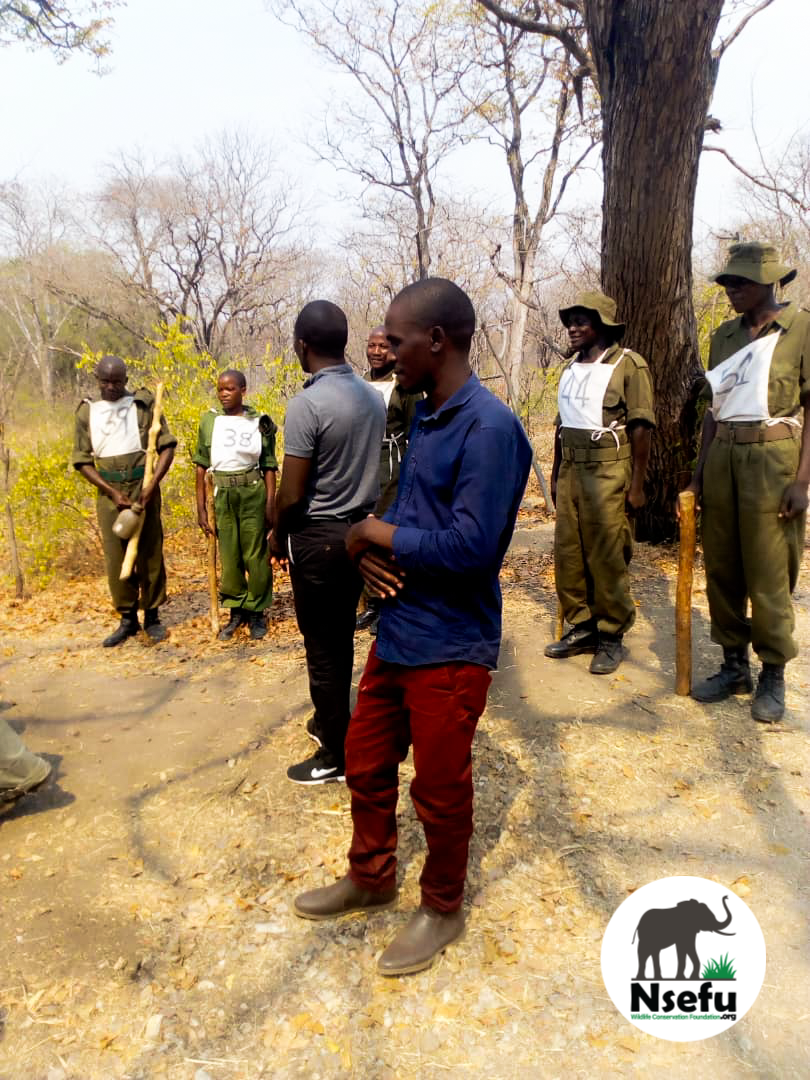
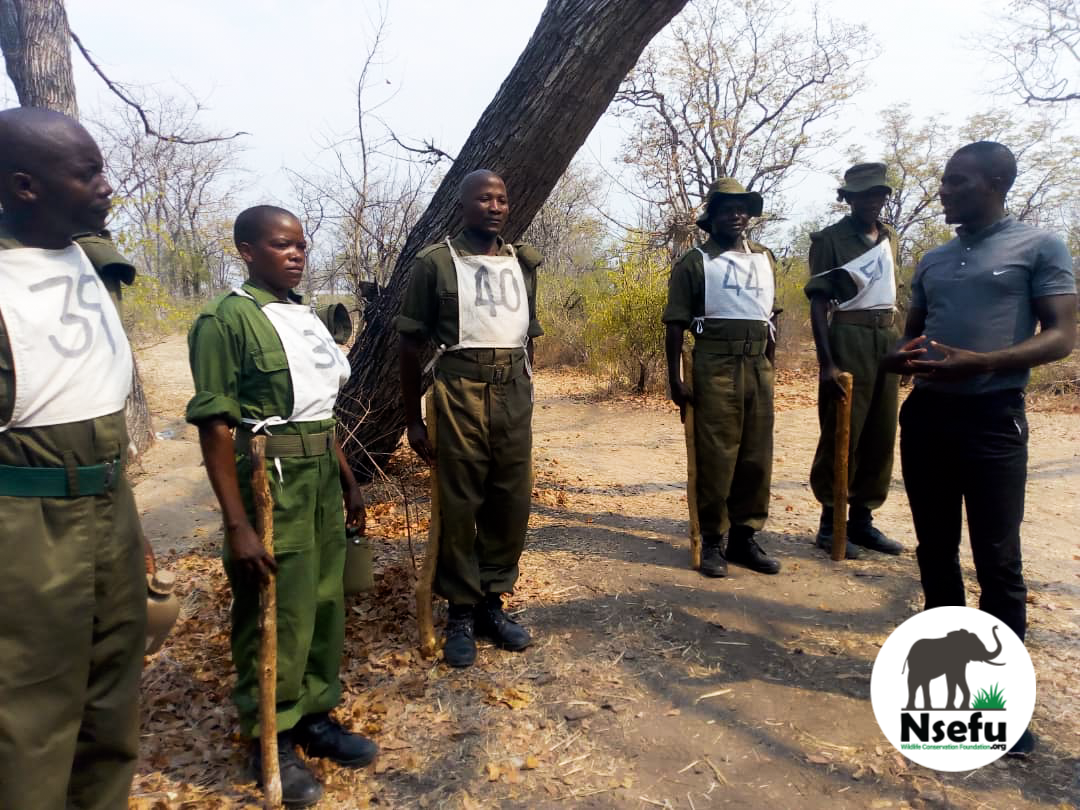
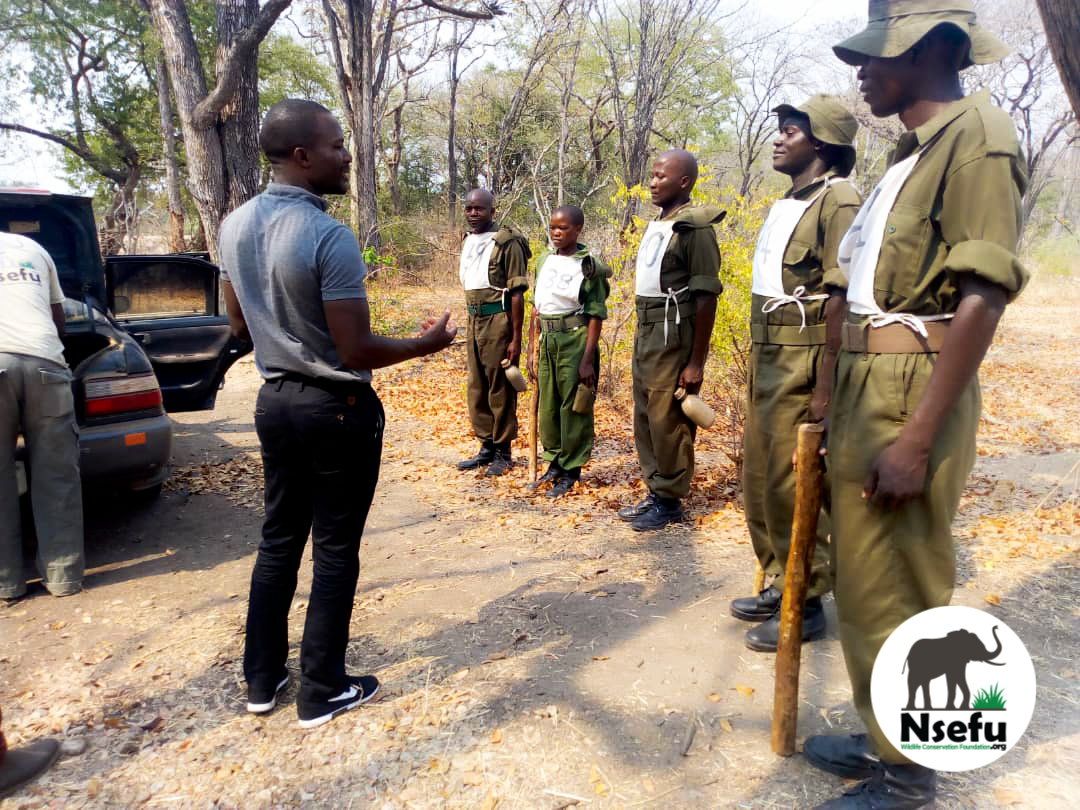
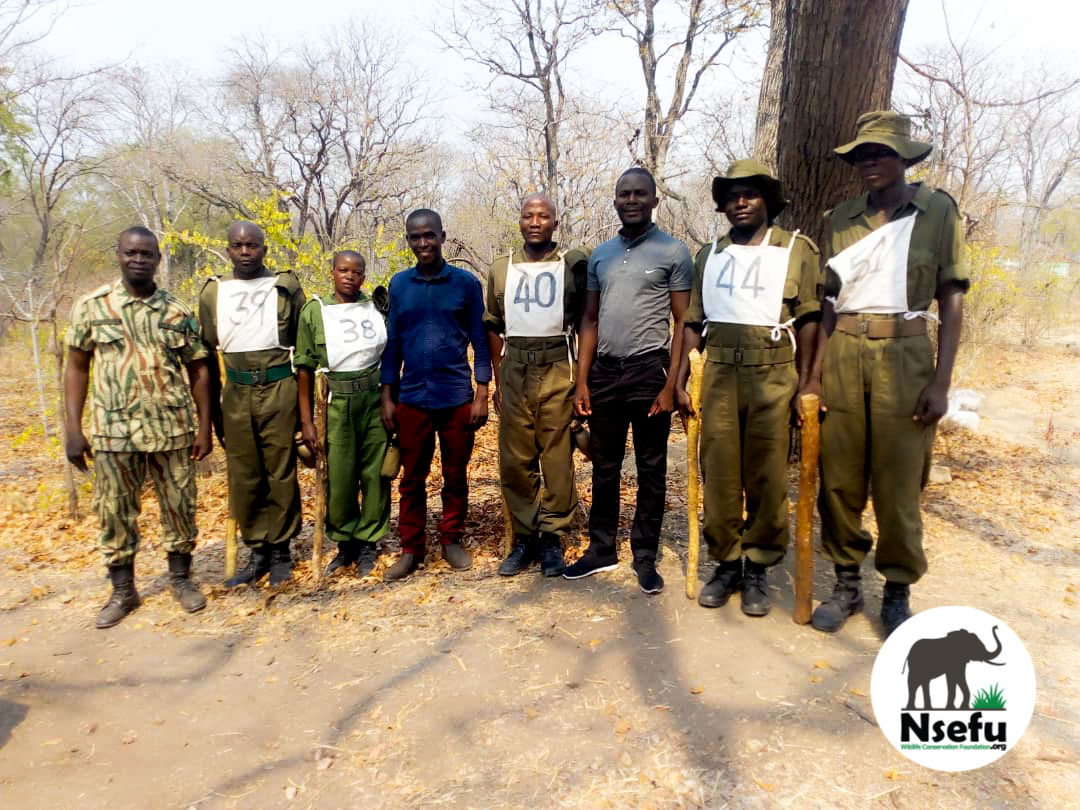
Without funding, this type of training would be impossible which in turn would make it more dangerous for the Nsefu Wildlife Rangers to continue to patrol our region of Zambia to stop poachers.
Please consider donating to help us put and end to poaching in Africa.
Is an African wild dog actually a dog? Candid Animal Cam meets the rare canid
African wild dogs are neither wolves nor dogs, even though they belong to the Canidae family.
Story by Mongabay.com on 25 August 2020
Mongabay articles are licensed under a Creative Commons Attribution-NoDerivatives 4.0 International License.
August 26th is World Painted Dog Day. Read more about these amazing animals.
Camera traps bring you closer to the secretive natural world and are an important conservation tool to study wildlife. This week we’re meeting the African wild dog.

African Wild Dog in Zambia showing off!
African wild dogs are neither wolves nor dogs, even though they belong to the Canidae family. In fact, they have their own genus. Their biggest populations are in the open plains and sparse woodland of Botswana, Zimbabwe, Namibia, Zambia, Tanzania, and Mozambique. African wild dogs are highly social animals forming packs that can have more than 60 members. They live and hunt in groups that are usually dominated by a monogamous breeding pair. These dogs have a higher success rate killing prey than lions and leopards. Rather than the suffocation strategy used by big cats when they catch large prey, African wild dogs will bite their prey until it stops running. However, if it’s a smaller animal they will pull and tear it apart.
Unfortunately, African wild dogs are listed as Endangered with fewer 6,000 individuals left in the wild. Habitat loss, human-wildlife conflict, being caught in snares as bycatch by poachers hunting for meat, and infectious diseases like canine distemper and rabies, are among the factors that affect their population. To protect this species we need to create protected wildlife corridors to help connect their fragmented habitats and also reduce its conflict with humans. Watch the video to learn more about them!
Special thanks to Peter Apps from Botswana Predator Conservation for sharing this footage with us. Apps is involved in two camera trapping research projects that generate unique and ground-breaking videos of African large carnivores; one on leopard predation and the other one on African wild dog shared marking sites. Apps team is using camera traps to record the dogs’ responses to experimentally manipulated scents. Understanding African wild dogs’ scent marking is a key step in Botswana Predator Conservation’s development of a ‘BioBoundary’ that relies on an artificial scent. The aim is that the boundary will deter wild dogs from leaving the safety of protected wildlife areas.