CONSERVATION NEWS
Is an African wild dog actually a dog? Candid Animal Cam meets the rare canid
African wild dogs are neither wolves nor dogs, even though they belong to the Canidae family.
Story by Mongabay.com on 25 August 2020
Mongabay articles are licensed under a Creative Commons Attribution-NoDerivatives 4.0 International License.
August 26th is World Painted Dog Day. Read more about these amazing animals.
Camera traps bring you closer to the secretive natural world and are an important conservation tool to study wildlife. This week we’re meeting the African wild dog.

African Wild Dog in Zambia showing off!
African wild dogs are neither wolves nor dogs, even though they belong to the Canidae family. In fact, they have their own genus. Their biggest populations are in the open plains and sparse woodland of Botswana, Zimbabwe, Namibia, Zambia, Tanzania, and Mozambique. African wild dogs are highly social animals forming packs that can have more than 60 members. They live and hunt in groups that are usually dominated by a monogamous breeding pair. These dogs have a higher success rate killing prey than lions and leopards. Rather than the suffocation strategy used by big cats when they catch large prey, African wild dogs will bite their prey until it stops running. However, if it’s a smaller animal they will pull and tear it apart.
Unfortunately, African wild dogs are listed as Endangered with fewer 6,000 individuals left in the wild. Habitat loss, human-wildlife conflict, being caught in snares as bycatch by poachers hunting for meat, and infectious diseases like canine distemper and rabies, are among the factors that affect their population. To protect this species we need to create protected wildlife corridors to help connect their fragmented habitats and also reduce its conflict with humans. Watch the video to learn more about them!
Special thanks to Peter Apps from Botswana Predator Conservation for sharing this footage with us. Apps is involved in two camera trapping research projects that generate unique and ground-breaking videos of African large carnivores; one on leopard predation and the other one on African wild dog shared marking sites. Apps team is using camera traps to record the dogs’ responses to experimentally manipulated scents. Understanding African wild dogs’ scent marking is a key step in Botswana Predator Conservation’s development of a ‘BioBoundary’ that relies on an artificial scent. The aim is that the boundary will deter wild dogs from leaving the safety of protected wildlife areas.
CALL TODAY TO MAKE CALIFORNIA A LEADER IN CURTAILING DANGEROUS AND UNSUSTAINABLE WILDLIFE TRADE
Call your assembly member today and tell them to vote yes on S.B. 1175 — the Wildlife Trafficking and Trade Act.

Our state assembly will vote this week on a bill to restrict the import and sale of live wild animals that pose a disease risk, as well as ban the possession of trophy-hunted species such as lions, elephants and rhinos.
Call your assemblymember today and tell them to vote yes on S.B. 1175 — the Wildlife Trafficking and Trade Act.
Fighting Extinction with Our Food Choices
There are very good reasons why vegan living is one of the biggest trends in the world today. It’s good for you, good for the animals & good for the planet!

Connie Edwards-McGaughy, animal advocate and author of The Carrot Underground.
Do you know that one of the most effective things you can do to help animals and the planet is by reducing your consumption of animal products? It’s true.
As wildlife conservationists, we see the horrible toll that poaching wreaks on animals. For every elephant that is killed for its tusks or a rhino for its horn, the earth loses not only another majestic endangered creature, but the families of those animals are severely impacted as well. As the herds get smaller, their chances of survival are also reduced. Poaching isn’t the only problem contributing to the extinction of our planet’s precious wildlife. Habitat destruction is forcing animals into smaller areas of land, and as a result, decreasing the availability of their natural food sources while increasing the potential for human – animal conflict.

Around the world, deforestation is a leading cause of habitat destruction and global warming. In Zambia, thousands of hectares of primary forest are burned every year for charcoal, a common fuel source. Industrial agriculture – also known as factory farming – is a major contributor toward habitat loss, pollution, and global warming.
The practices of industrialized agriculture result in the pollution of our atmosphere, soil and waterways while increasing the potential for significant animal and human health risks. By housing massive numbers of animals in tight, unsanitary and inhumane conditions, factory farming is not only bad for the environment, it’s bad for the animals, the farm workers and ultimately, the consumers. Infectious diseases like avian and swine flu have been traced to large scale commercial operations.

Vegan Jackfruit Tuna Salad
As consumers, we have a choice. By reducing or eliminating animal products from our diets, we can positively impact the destruction caused by factory farming. Each time you choose a veggie burger over a beef burger or tofu instead of turkey, you will be helping the animals, the planet and yourself. It’s a win-win-win!
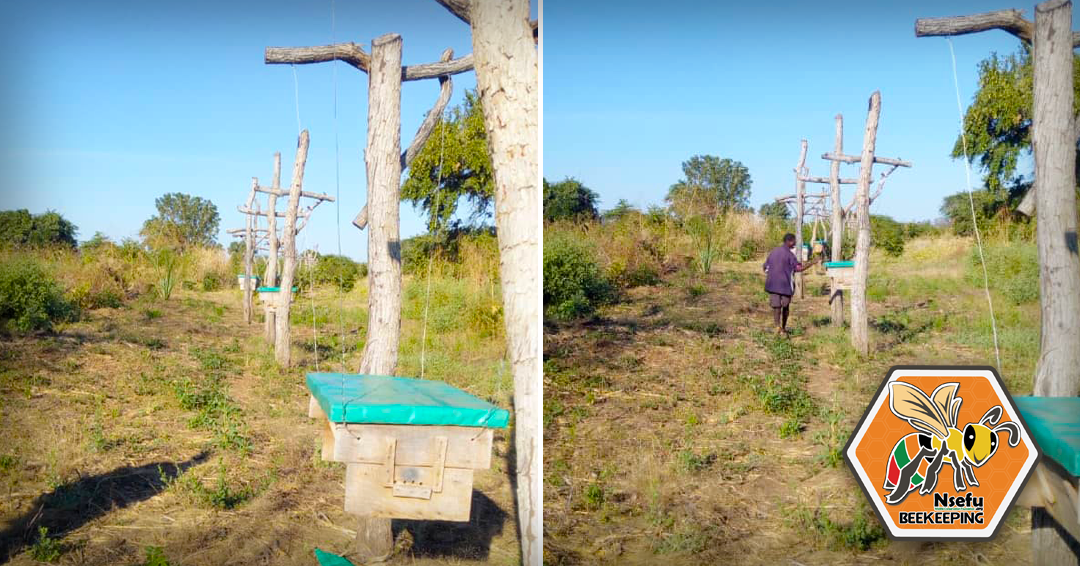
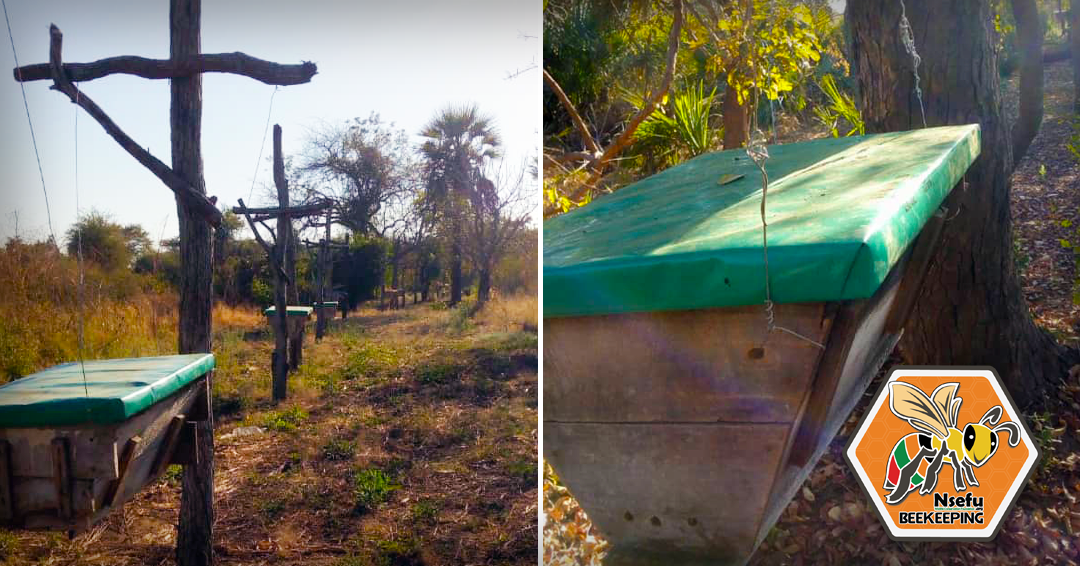
Beekeeping Update - July 2020!
Help support our Biofencing initiative, by donating today!
We are currently up to seven (7) occupied bee hives and as an added measure of protection from the elements, we have installed new plastic covers on each hive.
We would like to thank Mr. Chome, Ephraim and team Nsefu for all their hard work.
Your continued support will help to save and improve the lives of both the elephants and the humans within the Nsefu sector and promote a more peaceful coexistence between the two parties.
Kenya: The Maasai and the impact of COVID-19!
Let’s help the Maasai people!
LET’S HELP OUR NEIGHBORS IN KENYA win THEIR BATTLE WITH COVID-19.
During this time of the COVID-19 pandemic, people and ecosystems around the world are under stress, and the Maasai of Kenya are no exception.


The Maasai are in terrible trouble and are trying to raise money to feed their community. Nsefu Wildlife wants to aid the Maasai people in Kenya. If you can give, even just a dollar, it could help not only them but the wildlife in their area.