CONSERVATION NEWS
Kenya: Elephant Rescued from Poacher's Snare - Video
Snaring is the forgotten side of wildlife poaching in Africa!
An African Elephant is rescued from a life threatening injury resulting from a poachers snare.

This baby elephant eventually died from its wounds!
Snaring is the forgotten side of wildlife poaching in Africa that often doesn’t make the news compared to the illegal wildlife trade in ivory. Snaring is a silent and rampant killer across Africa’s grasslands, rain forests and savannas, and has rendered many elephants without their limbs, and even their trunks.
Boots On The Ground - Blood, Sweat and Tears!
Rangers are on the frontlines, fighting against poaching.
This video is an example of what Nsefu Wildlife Rangers experience.
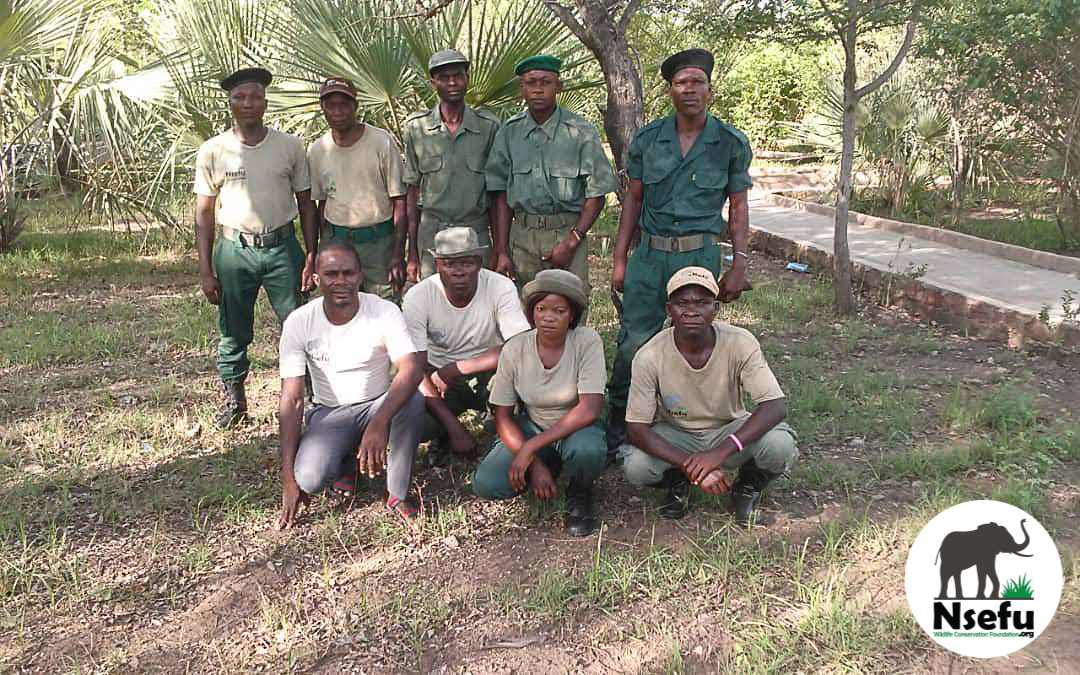
Nsefu Widlife Rangers on the Ground, protecting Wildlife!




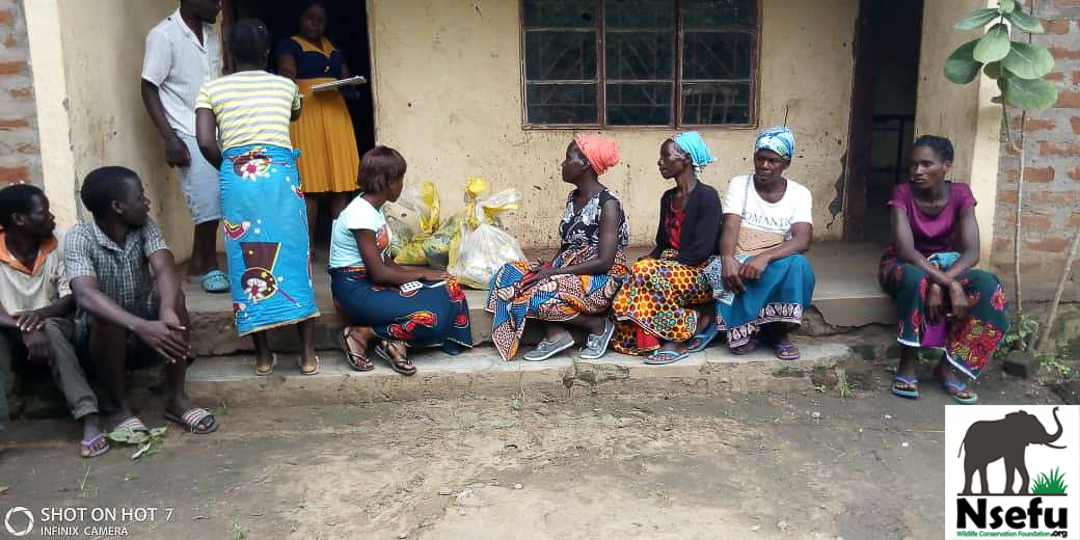
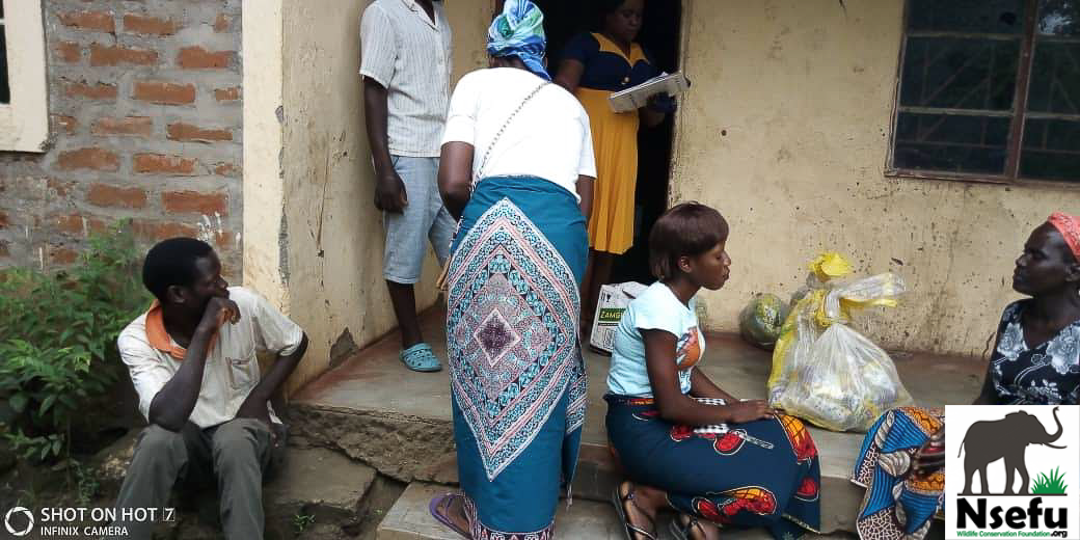
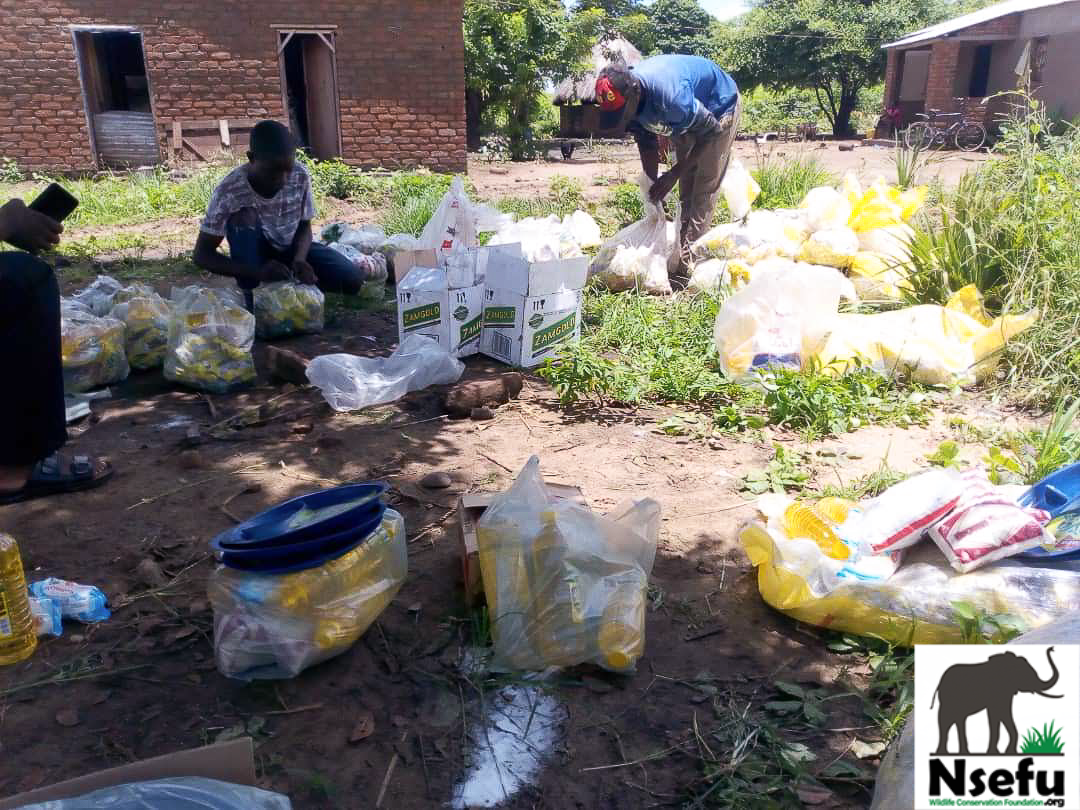
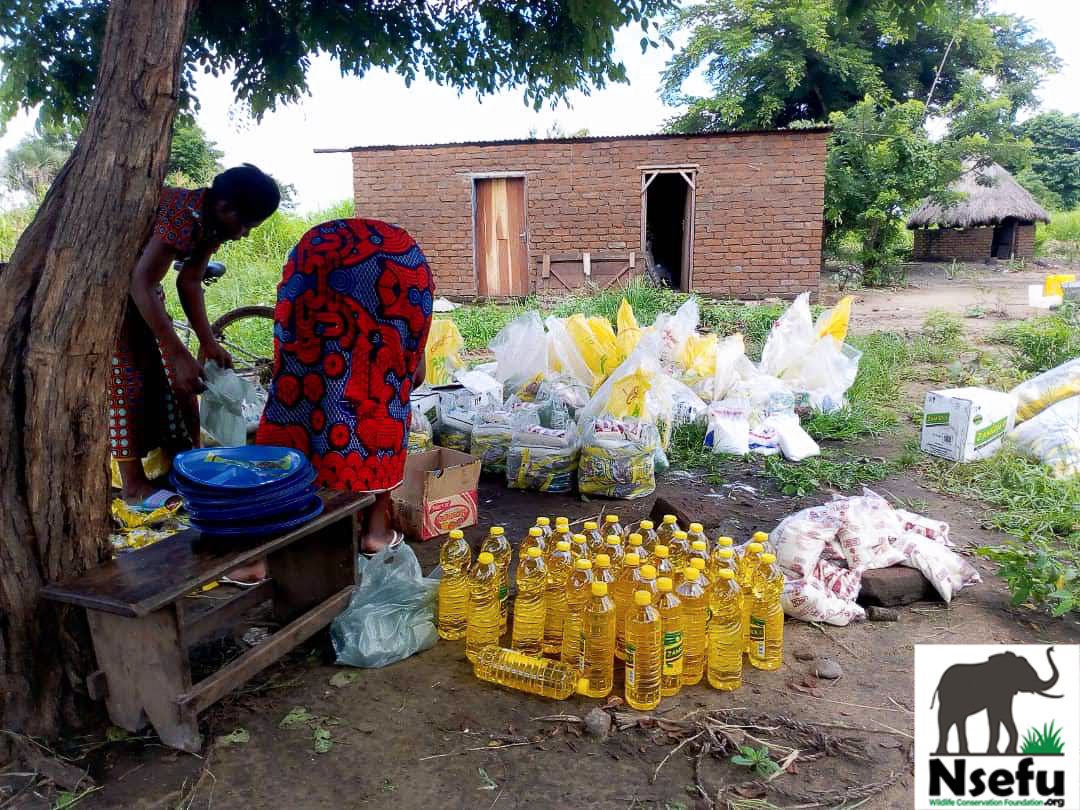
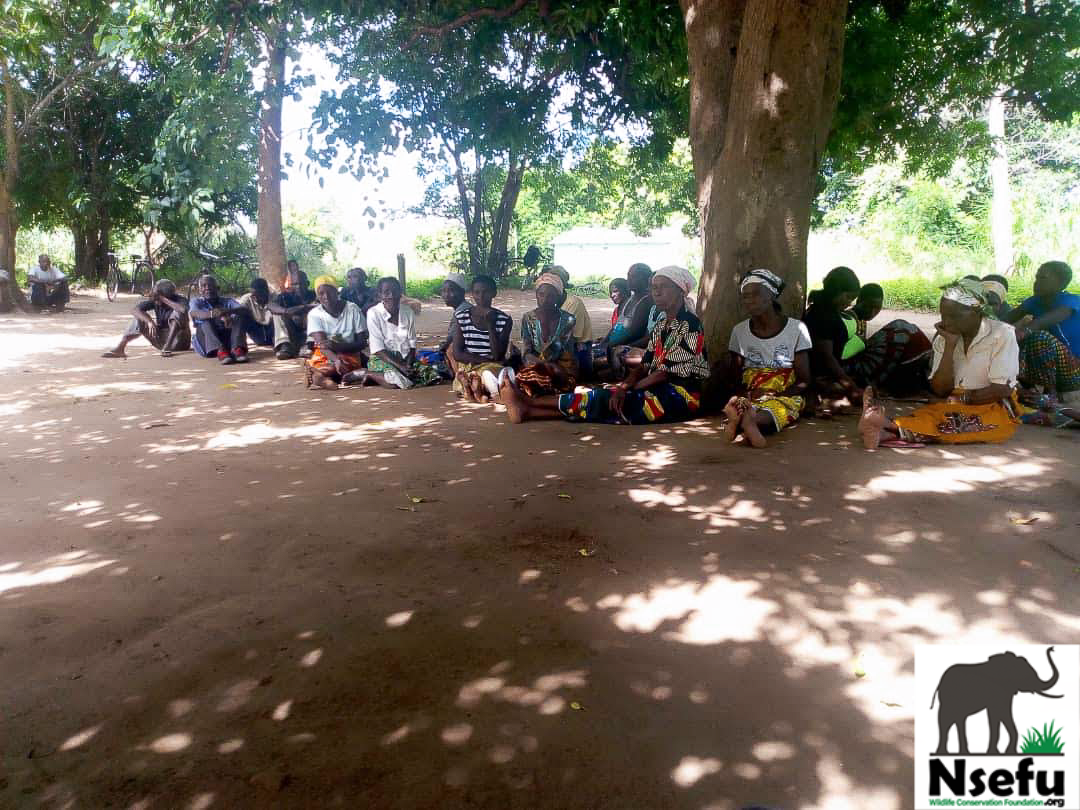
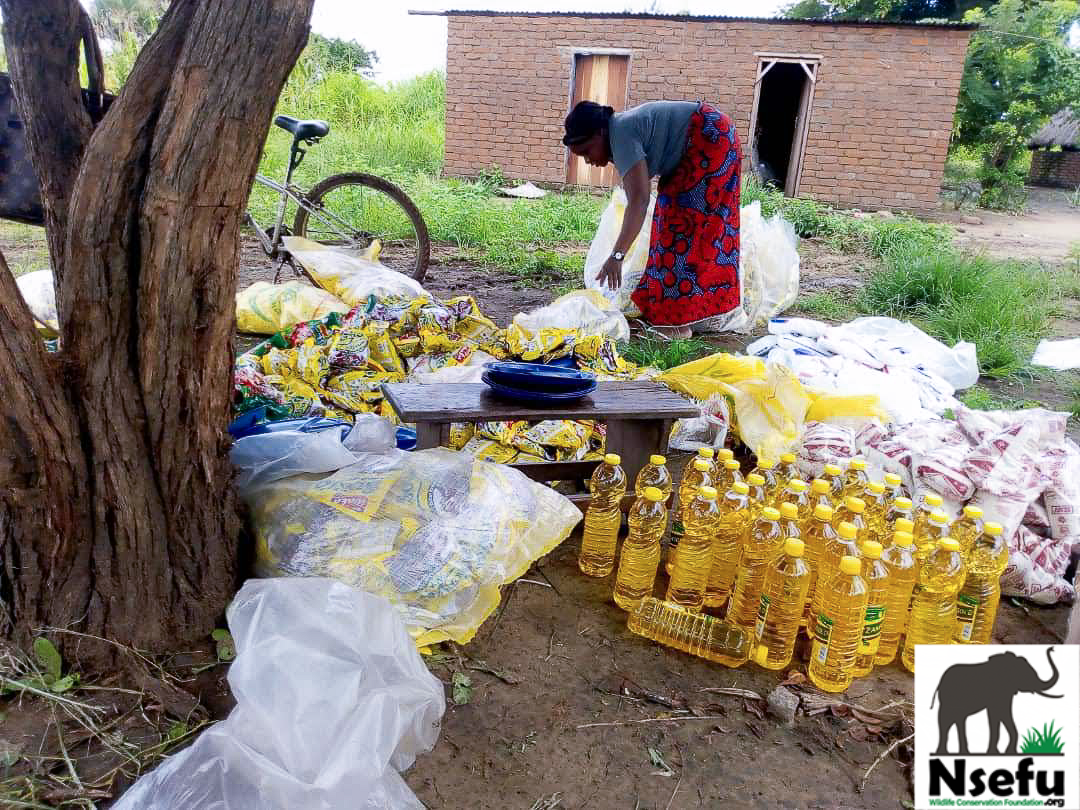
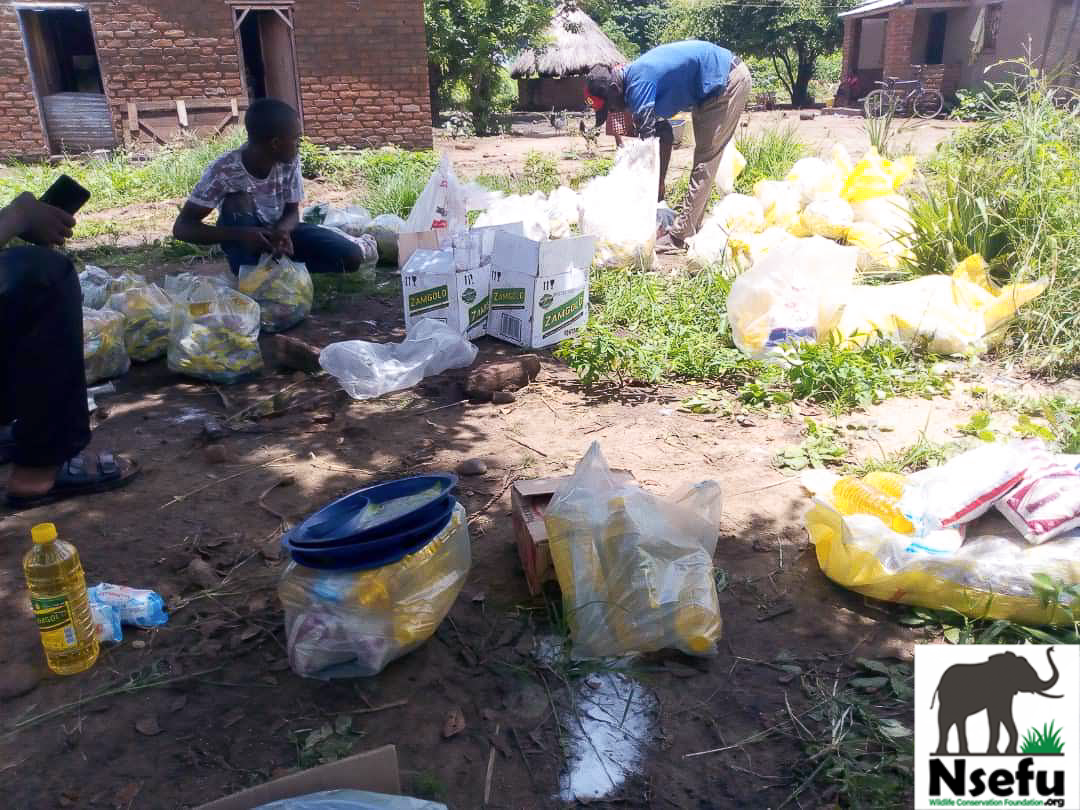
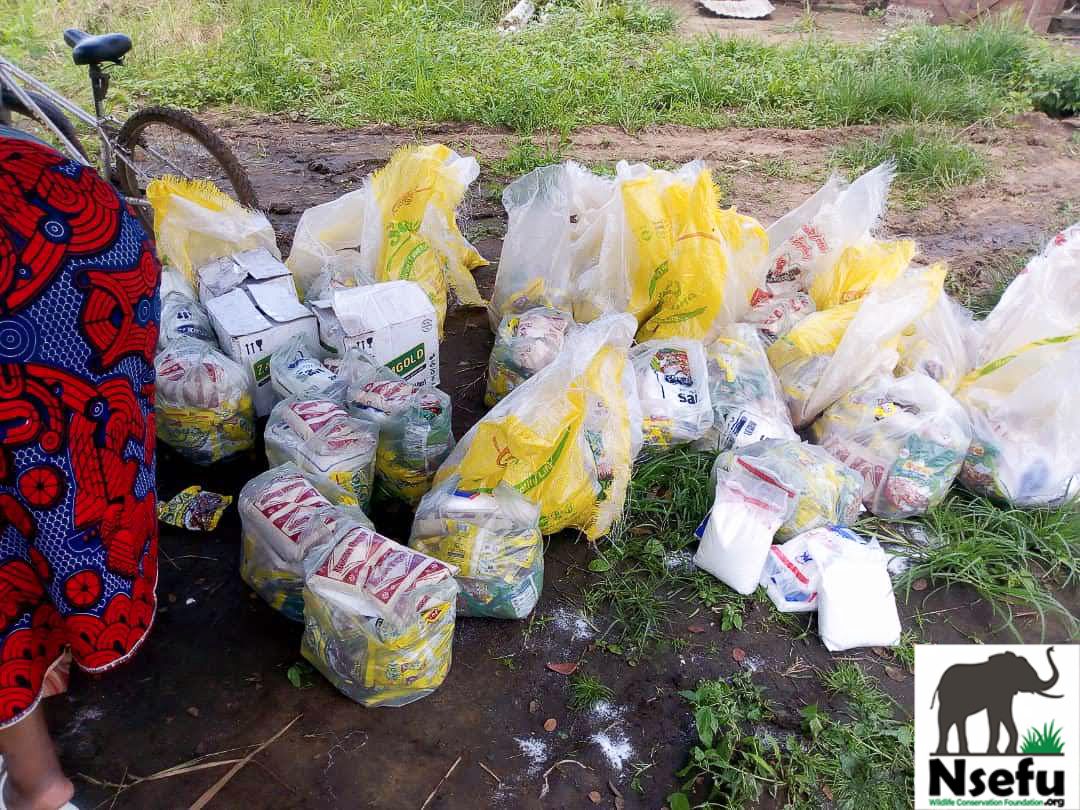
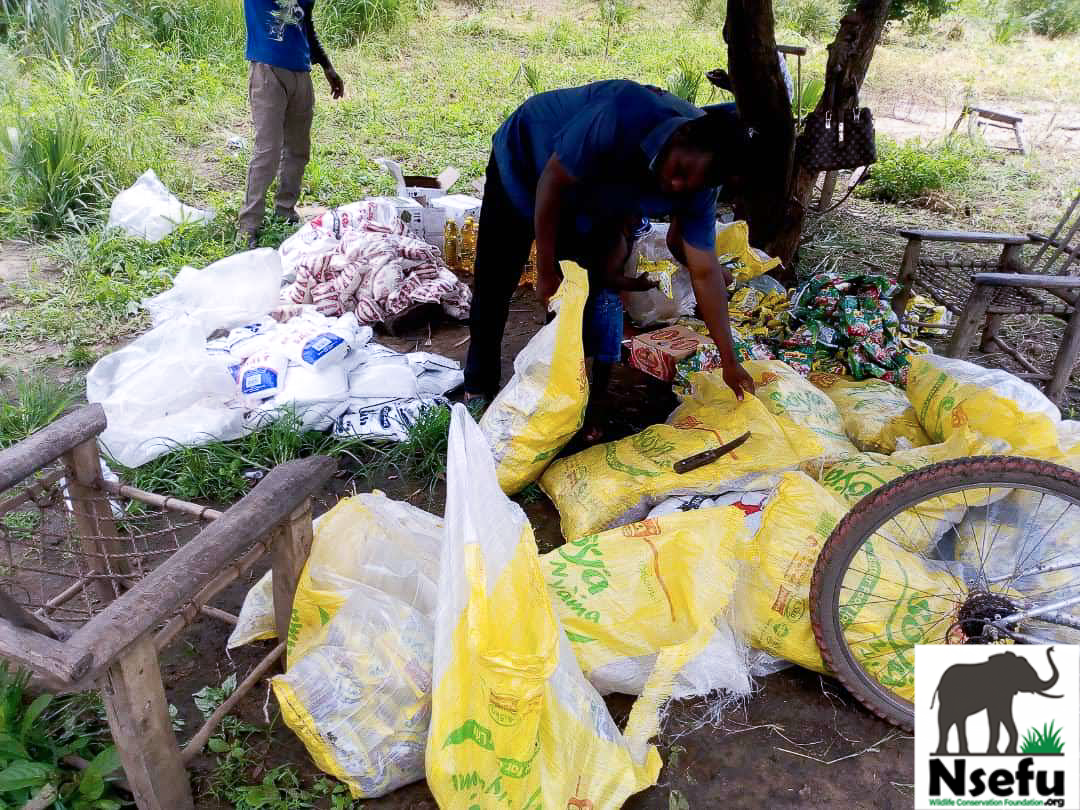
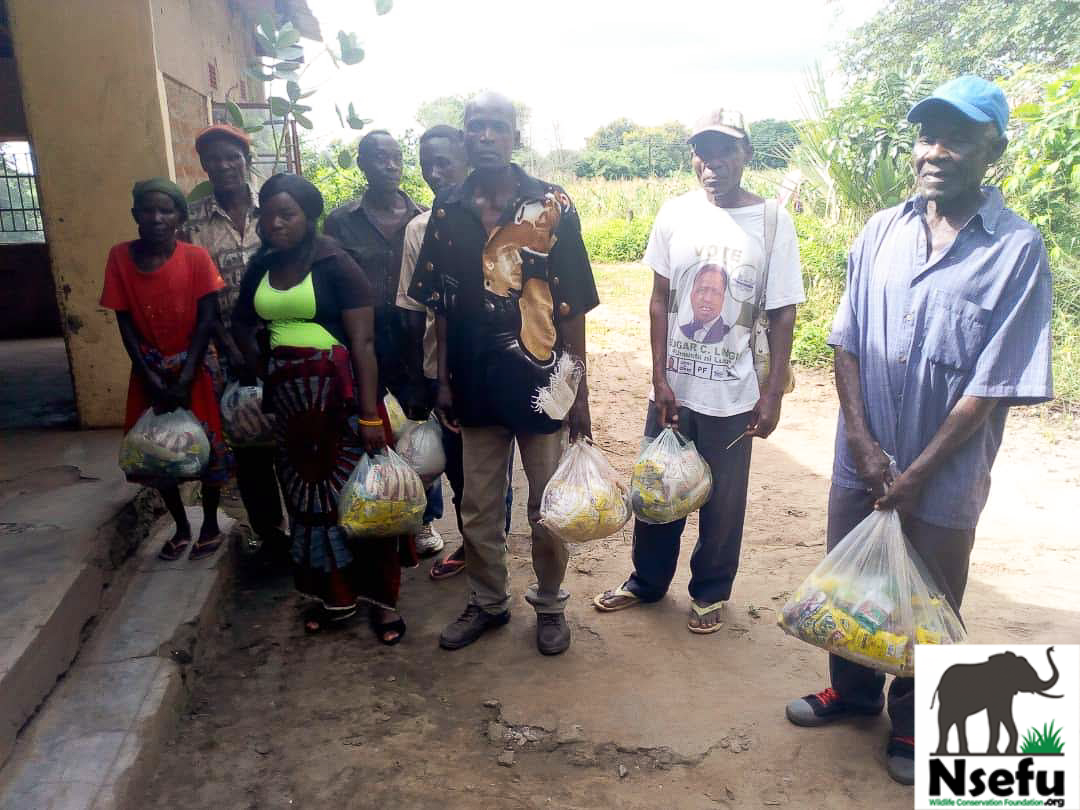
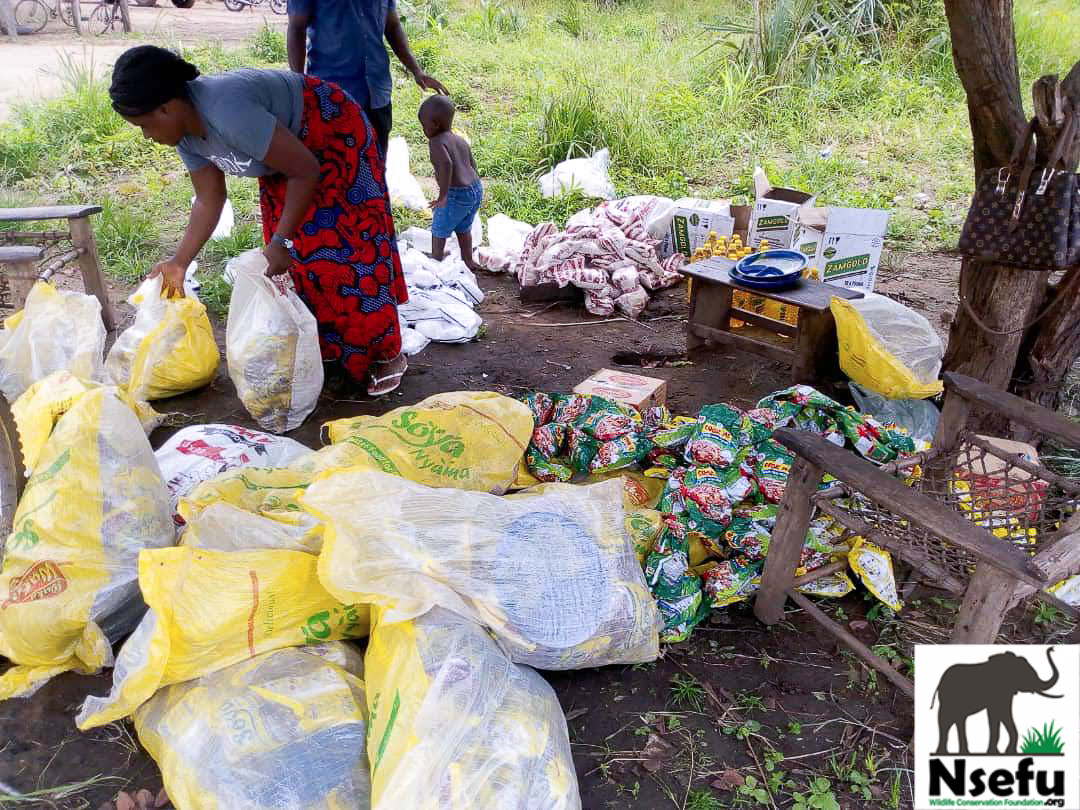
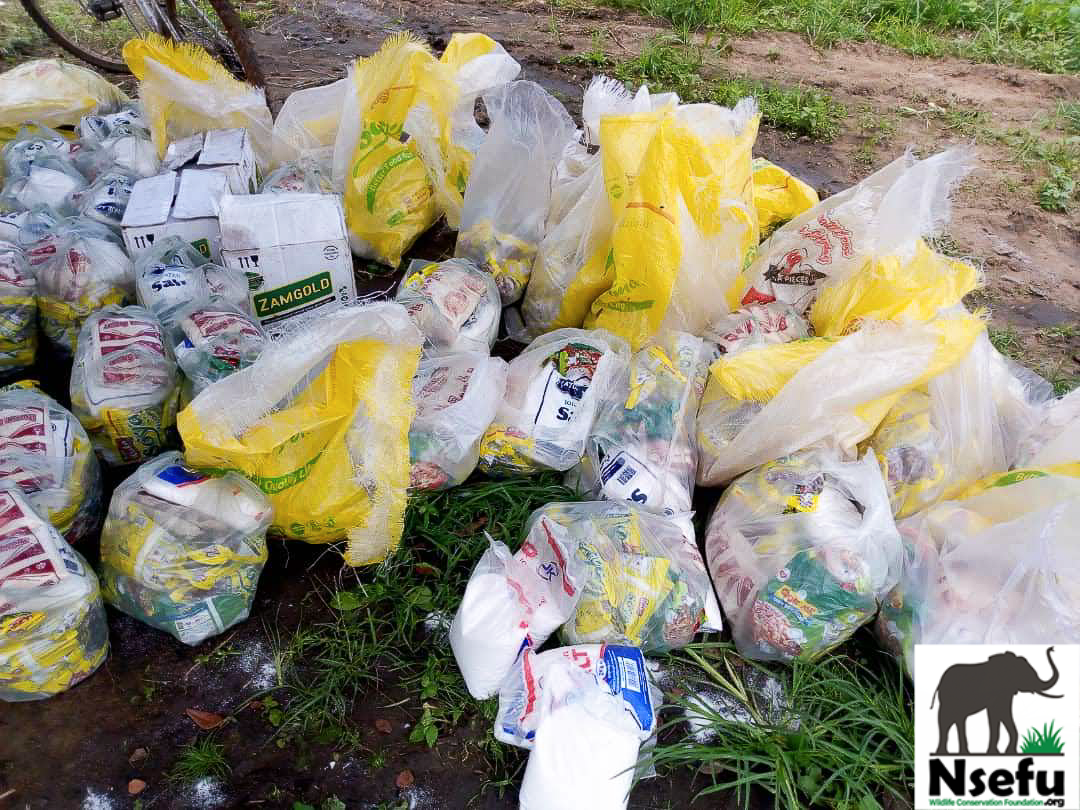
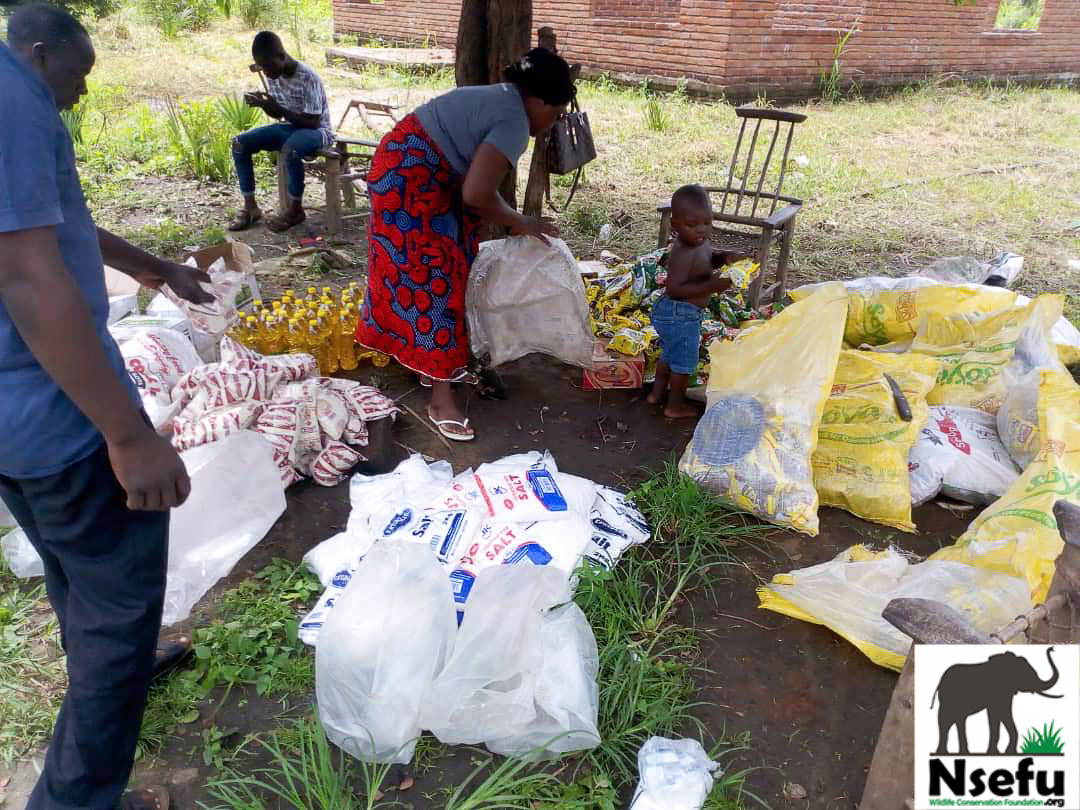
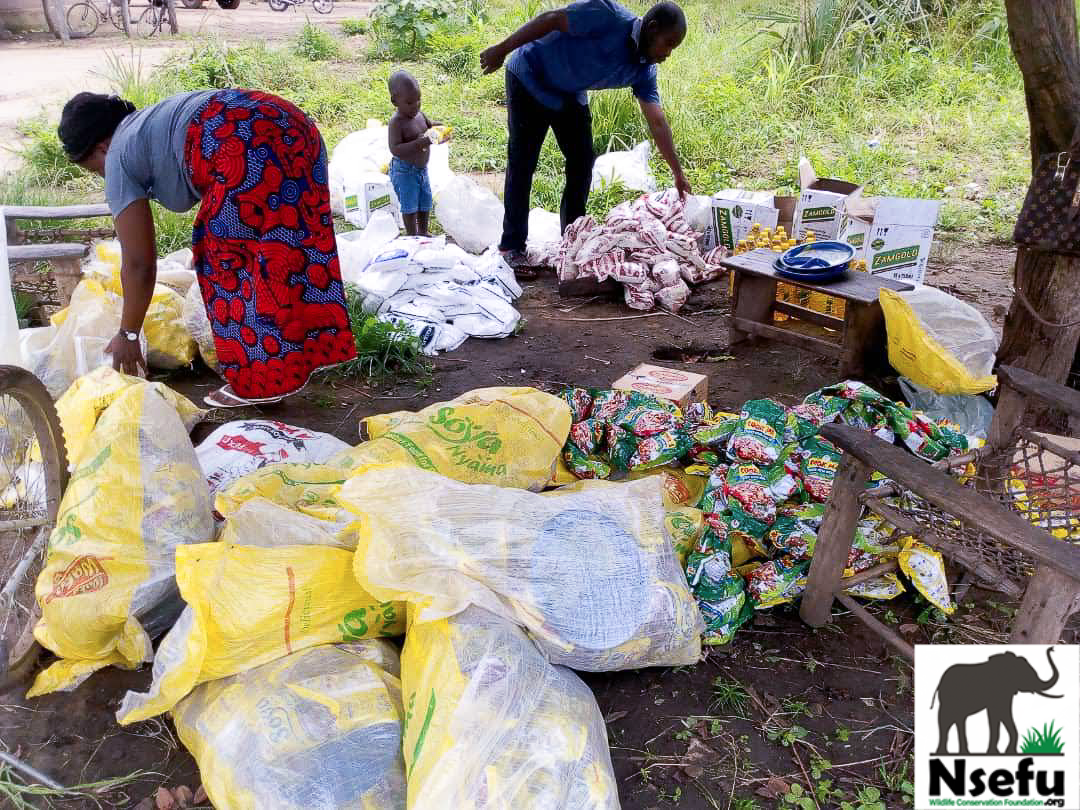
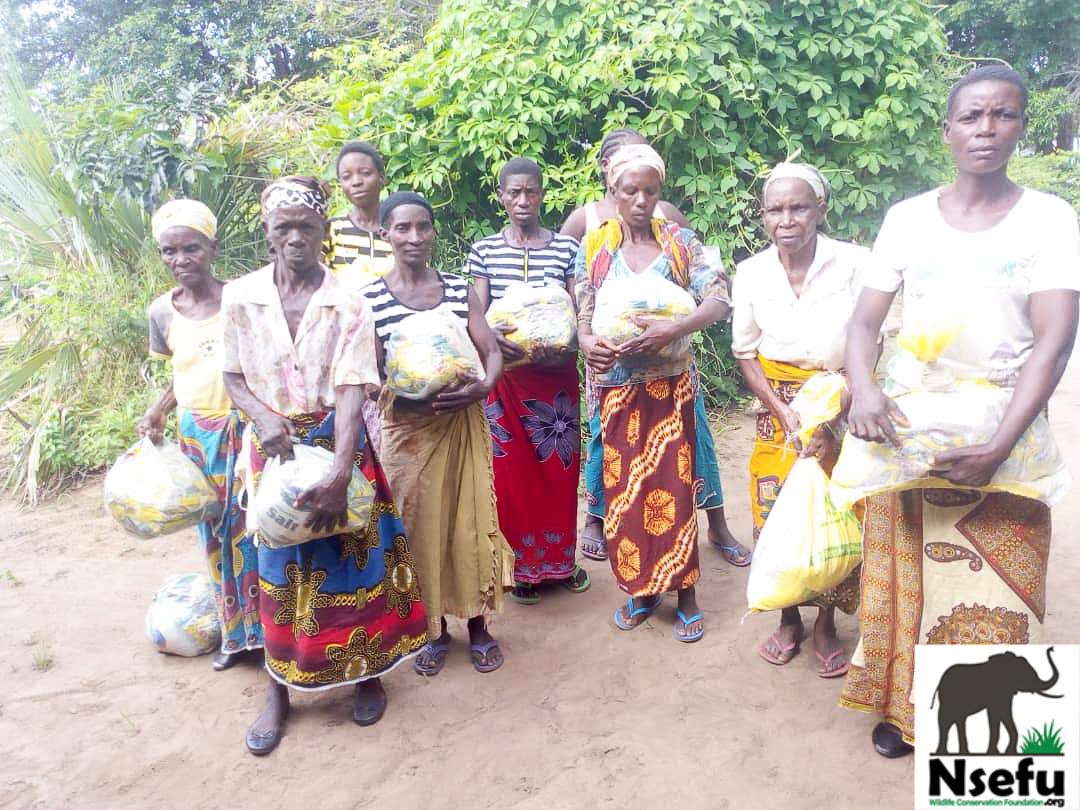
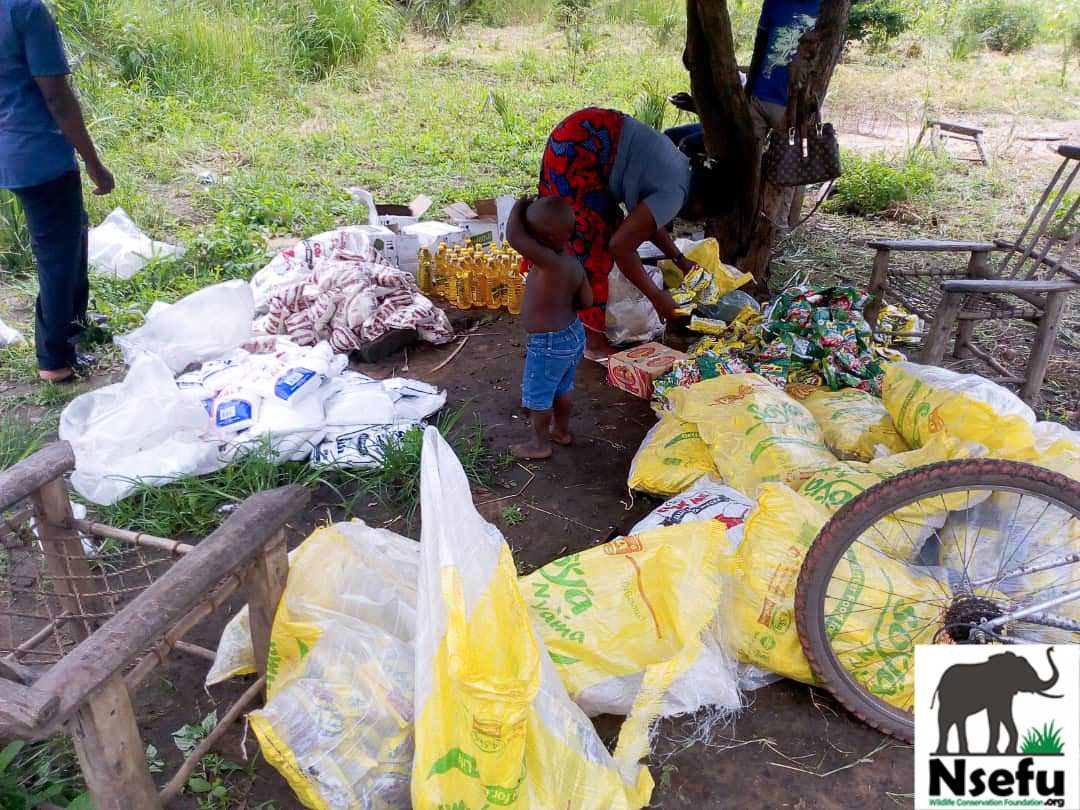
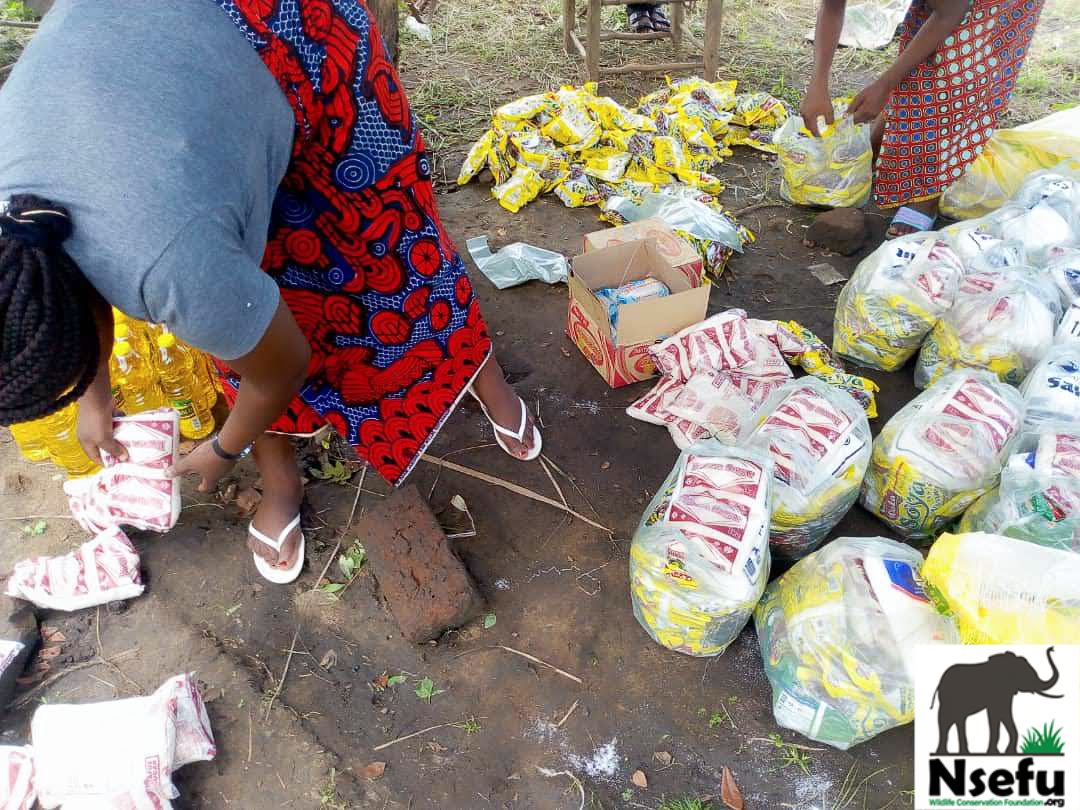
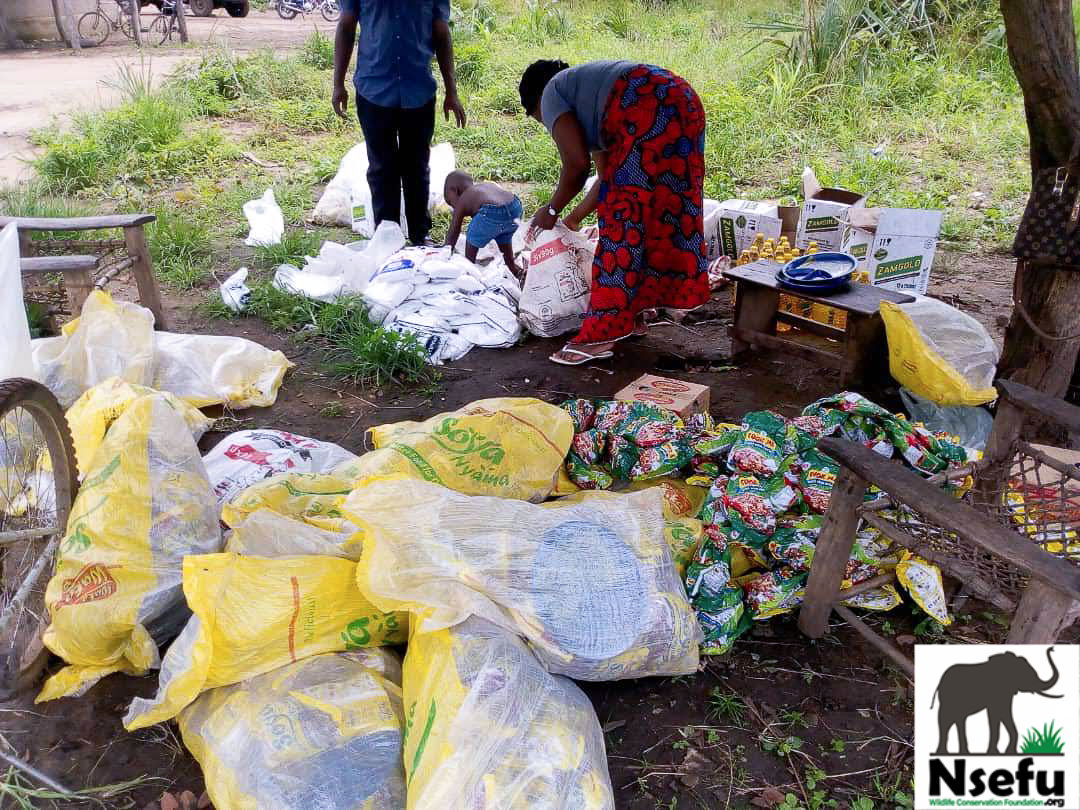
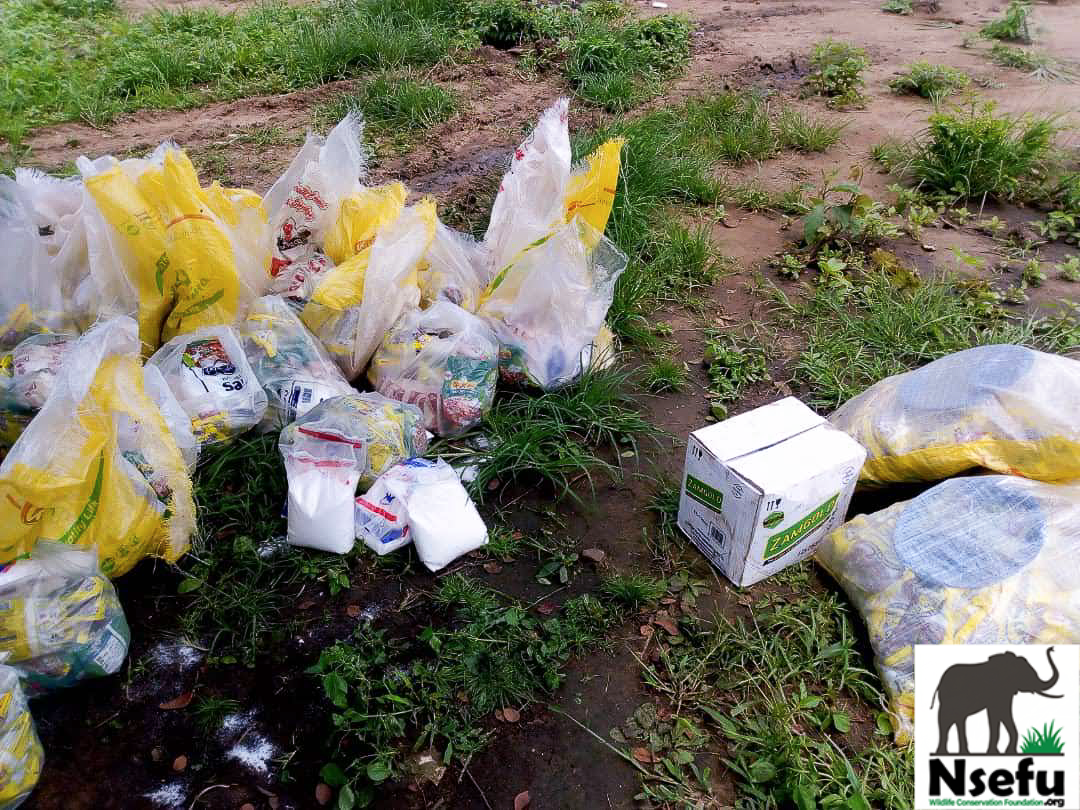
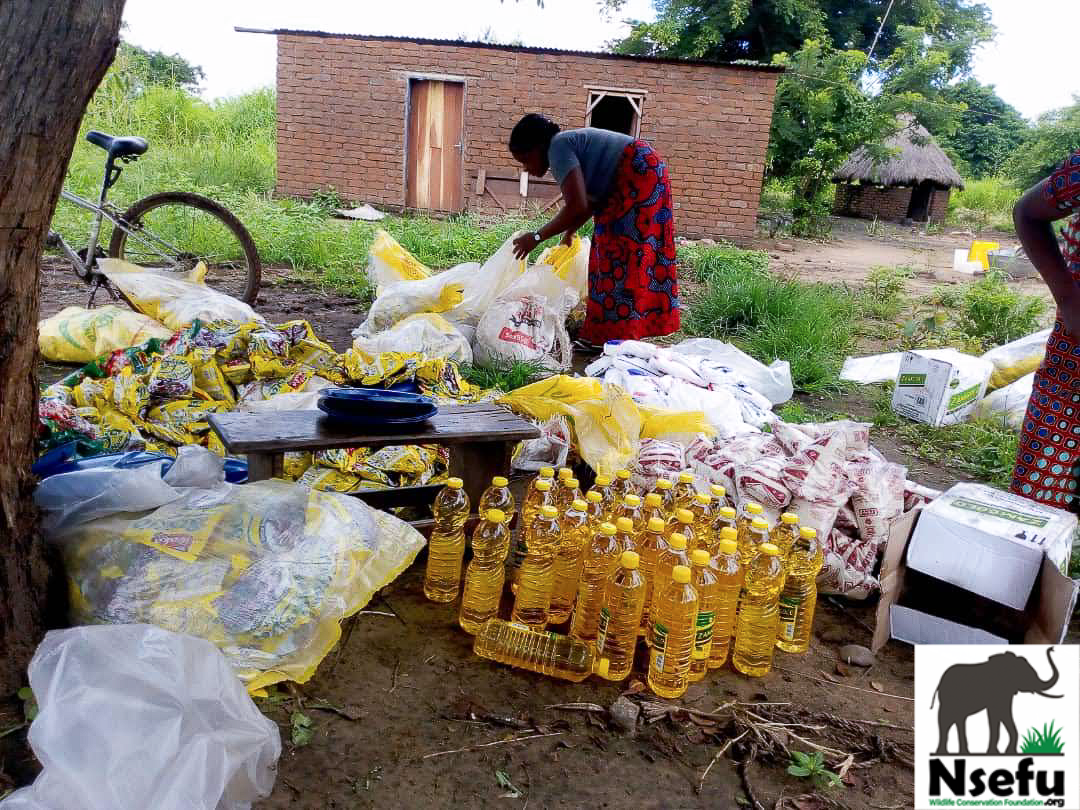
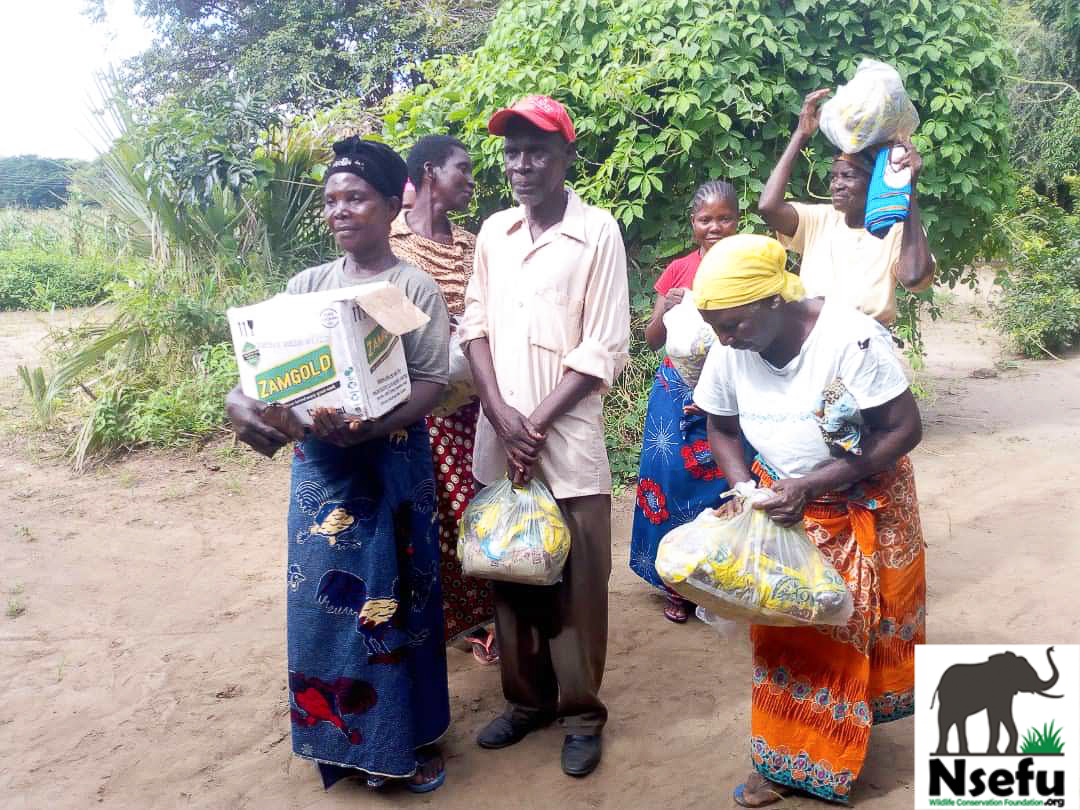
Nsefu.org donates food to local community!
Your support makes all the difference.
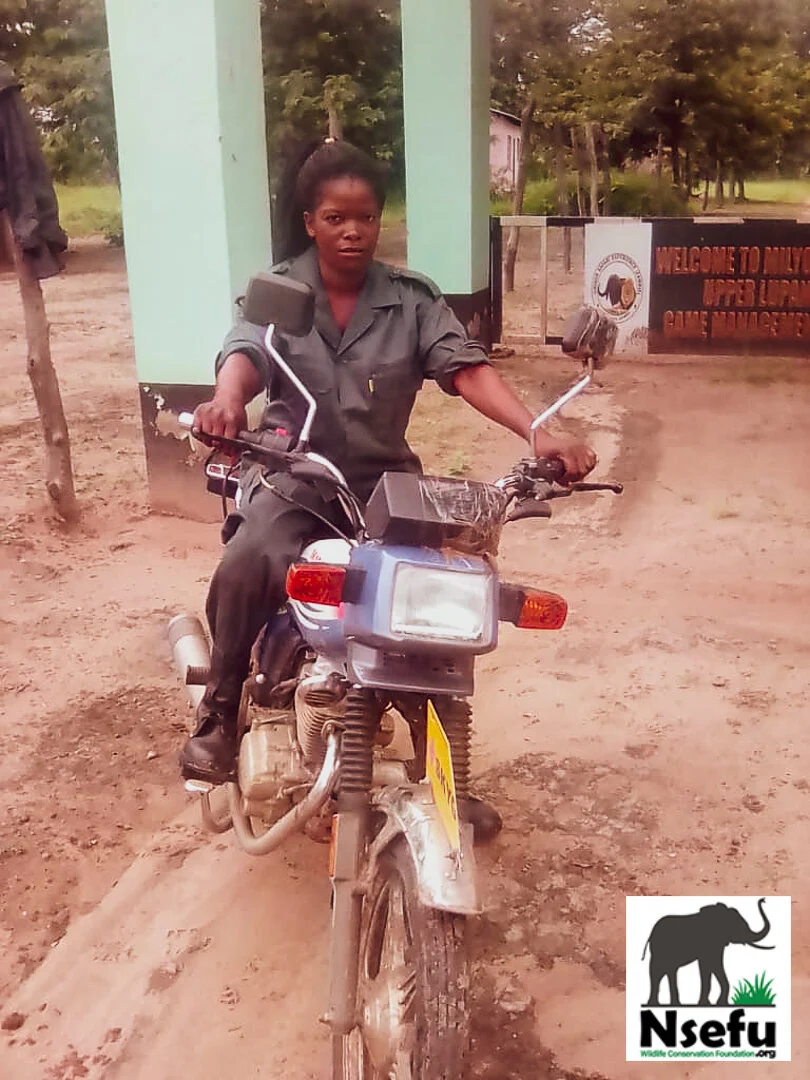
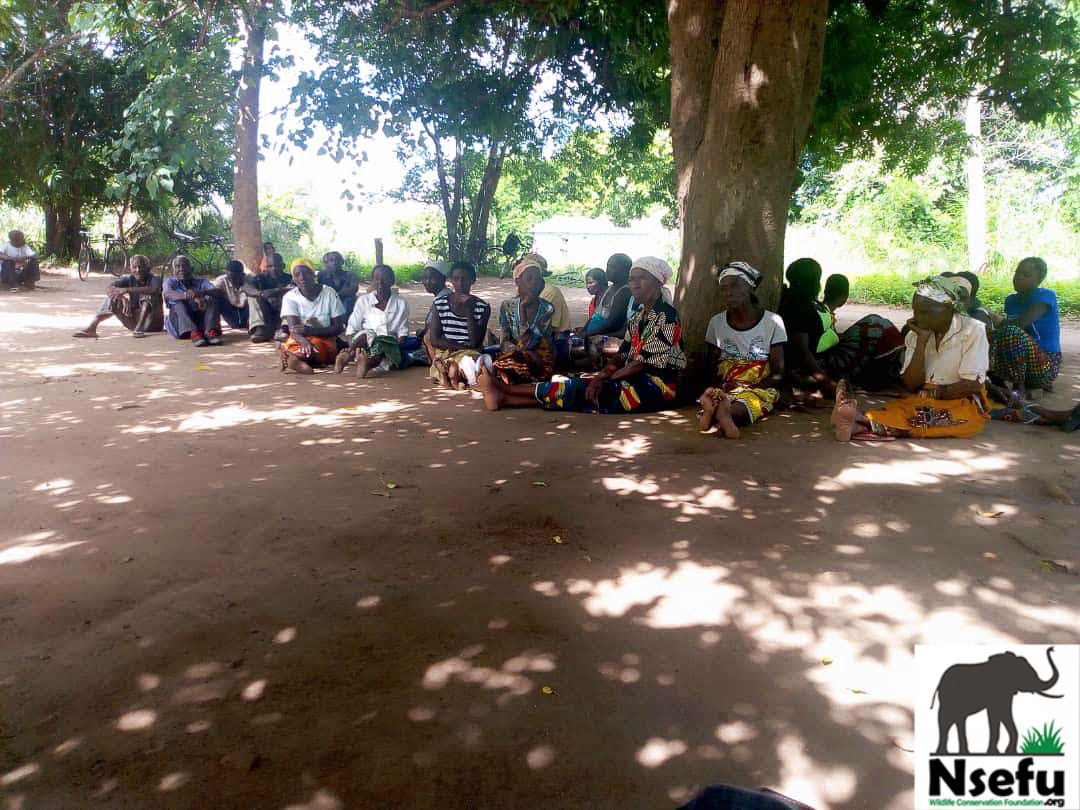
With donations, the Nsefu Wildlife team was able to deliver much needed food rations to the local Nsefu Sector Community, after the recent flooding. Check out the photos below.
Elephants seen mourning dead loved ones long after they’ve gone
Elephants are truly amazing!
Story by Colm Gorey | www.siliconrepublic.com
Researchers studying how elephants mourn the dead have shown the creatures often care for those they might not have even been close with.

While stories of interactions between elephants and their dead have been around for some time, a new study has revealed much more detailed – and surprising – realizations about how they mourn.
In a paper published to Primates, research led by San Diego Zoo has shown that elephants show a generalized interest in their dead, even after the bodies have long decayed and regardless of whether they were close with the individual.
The most commonly observed behavior seen was elephants approaching the dead and touching and examining the carcass. They also seemed to use their advanced sense of smell to identify which of its kind had died, with some seen attempting to loudly lift or pull fallen elephants who had just died.
The study included 32 observations of wild elephant carcasses from 12 different locations in Africa.
Elephants are known to form long relationships with each other across social groups that can divide or merge over time. This requires an elephant to remember a wide range of individuals over its life, bolstered by the creature’s notable cognitive abilities, extensive memory and highly sophisticated sense of smell.
Roots of Africa Press Statement over the killing of two Rhinos by a Truck
Nsefu Wildlife stands with Roots for Africa, calling for action to protect our precious wildlife in Zambia.

The Press Statement from Roots of Africa Foundation Ltd. over the killing of two Rhinos by a Truck
Arising from the killing of the 2 Rhinos in the Mosi oa Tunya National Park, here is our press statementas Roots Africa Foundation and Green Initiative Zambia, operating under the auspices Global Wildlife Warriors.
Mosi oa Tunya NP location in the Southern Province is a home of the first Rhino breeding project in Zambia.
The location of the Nation Park next to the Mosi oa Tunya falls makes it an ideal habitat, offering more secure place for these extinct species in Zambia. The Park boasts of a diverse wildlife species and a growing population of Elephants that can be seen at times in the Livingstone tourist town of Zambia.
It is not rocket science that the high number recording of elephants and other species cannot be achieved without mentioning the regional intervention that brings Zambia, Malawi, Zimbabwe, Botswana and Namibia in a Trans frontier Wildlife projects.
READ MORE ABOUT WWF’S ACTION ON THIS MATTER.
But this wonderful conservation development has come with massive challenges and some of which is the wildlife corridor of Kazungula/Livingstone caprivi area which has put wildlife at risk because of the high way (Kazungula/Livingstone Road) posing as a death trap for many animals especially small ones and even large mammals included. About two years ago an Elephant was killed in the Road Traffic Accident along the Kanzungula-Livingstone highway. From the medial report and the senior wildlife officer who was interviewed by the TV reporter, it was confirmed that over speeding was the cause of that accident.When this RTA happened we expressed our shock and disappointment; our comment over the same then was, we could easily avoid loss of such valuable national trophies by putting in place less costly interventions such as patrol kits for wild officers and continuous lunch break workshops to continue sensitizing stakeholders, radio broadcasts among others.
The other night we lost one Rhino and the other was fatally injured which unfortunately died later.
The cause of death is RTA on the same stretch of the road. Our plea as Wildlife Warriors and its cooperating partners; Roots Africa Foundation, Green Initiative Zambia, Nsefu Wildlife Conservation Foundation and many more is still the same, to conserve wildlife all the time and by all means. We are disturbed by such killings and we ask ourselves, if large flagship mammals are killed like this in RTAs how about small mammals and those that are fully nocturnal? It's a huge indicator of what is going wrong here. We think our position is to solicit for continuous engagement with all stakeholders, more especially that benefit from the existence of these animals:- those in hospitality industry, RDA, NRF,
Arising from the killing of the 2 Rhinos in the Mosi oa Tunya National Park, here is our press statementas Roots Africa Foundation and Green Initiative Zambia, operating under the auspices Global Wildlife Warriors.
Mosi oa Tunya NP location in the Southern Province is a home of the first Rhino breeding project in Zambia.
The location of the Nation Park next to the Mosi oa Tunya falls makes it an ideal habitat, offering more secure place for these extinct species in Zambia. The Park boasts of a diverse wildlife species and a growing population of Elephants that can be seen at times in the Livingstone tourist town of Zambia.
It is not rocket science that the high number recording of elephants and other species cannot be achieved without mentioning the regional intervention that brings Zambia, Malawi, Zimbabwe, Botswana and Namibia in a Trans frontier Wildlife projects.
But this wonderful conservation development has come with massive challenges and some of which is the wildlife corridor of Kazungula/Livingstone caprivi area which has put wildlife at risk because of the high way (Kazungula/Livingstone Road) posing as a death trap for many animals especially small ones and even large mammals included. About two years ago an Elephant was killed in the Road Traffic Accident along the Kanzungula-Livingstone highway. From the medial report and the senior wildlife officer who was interviewed by the TV reporter, it was confirmed that over speeding was the cause of that accident.When this RTA happened we expressed our shock and disappointment; our comment over the same then was, we could easily avoid loss of such valuable national trophies by putting in place less costly interventions such as patrol kits for wild officers and continuous lunch break workshops to continue sensitizing stakeholders, radio broadcasts among others.
The other night we lost one Rhino and the other was fatally injured which unfortunately died later
The cause of death is RTA on the same stretch of the road. Our plea as Wildlife Warriors and its cooperating partners; Roots Africa Foundation, Green Initiative Zambia, Nsefu Wildlife Conservation Foundation and many more is still the same, to conserve wildlife all the time and by all means. We are disturbed by such killings and we ask ourselves, if large flagship mammals are killed like this in RTAs how about small mammals and those that are fully nocturnal? It's a huge indicator of what is going wrong here. We think our position is to solicit for continuous engagement with all stakeholders, more especially that benefit from the existence of these animals:- those in hospitality industry, RDA, NRF,
Arising from the killing of the 2 Rhinos in the Mosi oa Tunya National Park, here is our press statementas Roots Africa Foundation and Green Initiative Zambia, operating under the auspices Global Wildlife Warriors.
Mosi oa Tunya NP location in the Southern Province is a home of the first Rhino breeding project in Zambia.
The location of the Nation Park next to the Mosi oa Tunya falls makes it an ideal habitat, offering more secure place for these extinct species in Zambia. The Park boasts of a diverse wildlife species and a growing population of Elephants that can be seen at times in the Livingstone tourist town of Zambia.
It is not rocket science that the high number recording of elephants and other species cannot be achieved without mentioning the regional intervention that brings Zambia, Malawi, Zimbabwe, Botswana and Namibia in a Trans frontier Wildlife projects.
But this wonderful conservation development has come with massive challenges and some of which is the wildlife corridor of Kazungula/Livingstone caprivi area which has put wildlife at risk because of the high way (Kazungula/Livingstone Road) posing as a death trap for many animals especially small ones and even large mammals included. About two years ago an Elephant was killed in the Road Traffic Accident along the Kanzungula-Livingstone highway. From the medial report and the senior wildlife officer who was interviewed by the TV reporter, it was confirmed that over speeding was the cause of that accident.When this RTA happened we expressed our shock and disappointment; our comment over the same then was, we could easily avoid loss of such valuable national trophies by putting in place less costly interventions such as patrol kits for wild officers and continuous lunch break workshops to continue sensitizing stakeholders, radio broadcasts among others.
The other night we lost one Rhino and the other was fatally injured which unfortunately died later
The cause of death is RTA on the same stretch of the road. Our plea as Wildlife Warriors and its cooperating partners; Roots Africa Foundation, Green Initiative Zambia, Nsefu Wildlife Conservation Foundation and many more is still the same, to conserve wildlife all the time and by all means. We are disturbed by such killings and we ask ourselves, if large flagship mammals are killed like this in RTAs how about small mammals and those that are fully nocturnal? It's a huge indicator of what is going wrong here. We think our position is to solicit for continuous engagement with all stakeholders, more especially that benefit from the existence of these animals:- those in hospitality industry, RDA, NRF,
More on the story from MSN News & News Diggers.