
CONSERVATION NEWS
Zimbabwe May Withdraw From Endangered-Species Deal to Sell $300 Million of Ivory
Zimbabwe may consider withdrawing from the Convention on International Trade in Endangered Species
June 10, 2019, 10:56 AM PDT

A Zimbabwe National Parks game ranger holds an elephant ivory tusk in the country's ivory vault in Harare, on June 2, 2016.
Zimbabwe may consider withdrawing from the Convention on International Trade in Endangered Species because the organization won’t allow it to sell its ivory stockpile.
The southern African nation with the world second-largest population of elephants has a stockpile of tusks worth an estimated $300 million and needs the revenue, Fulton Mangwanya, director-general of the Zimbabwe Parks and Wildlife Management Authority, told lawmakers in the capital, Harare on Monday.
While CITES has banned international ivory sales to curb poaching, frustration is growing over the fact that “other countries are prescribing how we should handle our animals,” Mangwanya told a parliamentary committee on environment and tourism. Withdrawing from CITES would have the support of neighbors Botswana, Zambia and Namibia, which all have large elephant populations of their own, he said.
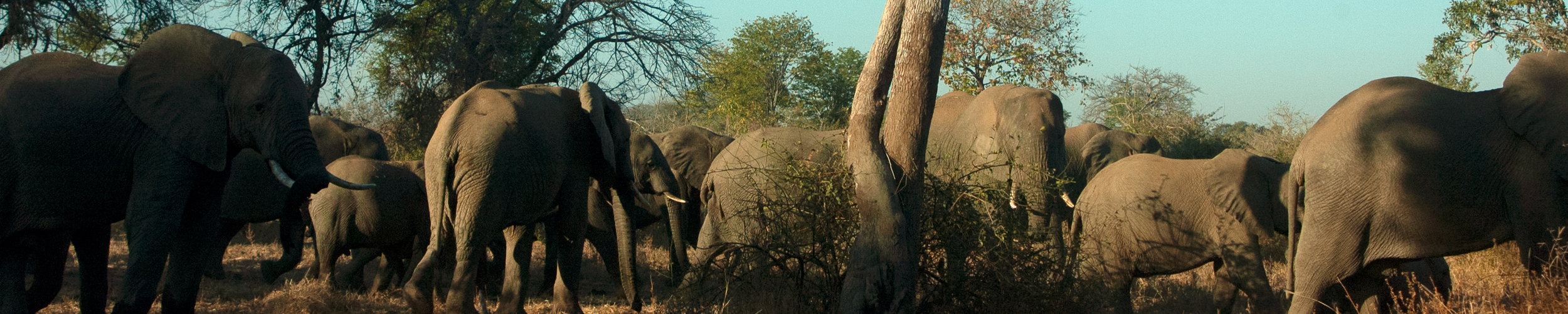
In recent years, Zimbabwe has raised money for conservation by selling elephants to China. The size of the population, estimated at 84,000, is twice what can be supported by available food and land, according to the government. Botswana last month lifted a hunting ban on wildlife because it says it has too many elephants, which destroy crops and sometimes kill people.
The last once-off commercial sale of stockpiles of elephant ivory from Botswana, Namibia, South Africa and Zimbabwe that CITES allowed was completed in 2009. Most of the tusks went to China and Japan.
“Countries like Japan are supporting us, China is dilly-dallying, I’m not quite sure why, but they are the ones that want our ivory,” Mangwanya said.
Laptops & Tablets for the Chabwera School
We’d like to thank Tellico Village Computer Users Club for their generous donation.


To say we are proud would be the understatement of the century! Here are our Nsefu Wildlife Board members in Zambia with our school teachers receiving all the wonderful donations of computers and tablets. It is such a big deal they had speeches from the Principal and the children read a conservation speech! YOUR donations truly impact lives. We take things for granted here in the US, but they have little and these things make them so excited. So much so.... they threw an EVENT for these items. THANK YOU TO ALL WHO DONATED...and we can always use more. No one will appreciate it more than the lovely people of Nsefu. THANK YOU FROM ALL OF US AT TEAM NSEFU!
Special thank you to our wonderful friends Tellico Village Computer Users Club and Ben Protas and Danny Donnelly of Five Star Communications for your treasured support!
Last male Sumatran rhino in Malaysia dies!
The Sumatran rhino is on the brink of extinction.
One female in Malaysia and about 80 in Indonesia are all that remain of the species.

Malaysia’s last male Sumatran rhinoceros, Tam, has died—a serious blow for the critically endangered species, which is already extinct in the country.
Discovered poking around an oil palm plantation in 2008, Tam was captured and transferred to the Tabin Wildlife Reserve in the state of Sabah. Efforts to breed him with two female rhinos—Puntung, captured in 2011, and Iman, captured in 2014—proved unsuccessful.
With Puntung’s euthanization in 2017 due to cancer, Iman is now the nation’s sole remaining member of its species in Malaysia. Due to decades of habitat loss and poaching, fewer than 80 Sumatran rhinos are thought to exist in the wild, most on the nearby island of Sumatra. The rest are scattered across Kalimantan in Indonesian Borneo.

Sumatran rhinos are so few, in fact, experts now believe isolation is the single biggest threat to the species’ continued existence. This is because females of this species can develop cysts and fibroids in their reproductive tracts if they go too long without mating. (Such was the cause of Iman’s infertility. Puntung's inability to carry fetuses seemed to stem from injuries sustained from a poacher’s snare and a failed pregnancy in the wild.)
That's why, in 2018, the world’s leading conservation nonprofits, including the National Geographic Society, announced an unprecedented collaboration called the Sumatran Rhino Rescue. The aim? To find and safely capture as many wild rhinos as possible so that they can be brought together for captive breeding. (Read: “The Unprecedented Plan to Save the Sumatran Rhino.")
“Tam's death underscores how critically important the collaborative efforts driving the Sumatran Rhino Rescue project are,” Margaret Kinnaird, wildlife practice leader for WWF International, says in an email.
Petition: Save the Highly Trafficked, Critically Endangered Pangolins!
Let’s save the Pangolin and other species from extinction.
Story by Supertrooper / focusingonwildlife.com

Image Source : Jiri Prochazka/Shutterstock
The pangolin is a small mammal about the size of a domesticated cat that looks like the combination between a pinecone and a tiny dragon. They’re cute little creatures and sadly, they’re one of the most trafficked animals in the world. Ten thousand pangolins are illegally trafficked each year, and they are critically endangered.
Their meat is eaten and their hard scales are used in traditional medicine. They’re shy, gentle, nocturnal creatures that curl up into a ball when threatened. They’re so gentle, in fact, that the stress alone from being in captivity kills them.
Image Source : Jiri Prochazka/Shutterstock
Among the most trafficked animals are rhinos and tigers, but pangolins even surpass them. They cost up to $350 per kilo in Vietnamese, and are frozen alive to be traded by the ton covered with frozen fish or snakes for cover.
A pangolin conservation program and rehab in Vietnam cares for pangolins in an effort to conserve the species. They feed them and take extreme measures to keep germs away from them as well as foods that may cause them digestive issues since they can die so easily.
They give them tests to see if they can be released into the wild. However, even they do not have much knowledge on pangolins since these little mammals are mostly unknown. Because of this, they can go extinct before most people even know about their existence.
Although trafficking pangolins is mostly illegal, it’s still done in Vietnam and China. If you want the authorities in these countries to better enforce the laws that are meant to protect pangolins, sign this petition!
Botswana Lifts 5-Year Ban on Hunting Elephants!
This decision goes against what Nsefu.org stands for.

Botswana, home to one third of Africa's elephants, announced Wednesday that it was lifting its ban on the hunting of the large mammals.
"The Ministry of Environment, Natural Resources Conservation and Tourism wishes to inform the public that following extensive consultations with all stakeholders, the Government of Botswana has taken a decision to lift the hunting suspension," the government announced in a press release shared on social media.
Botswana had banned elephant hunting in 2014 under the leadership of conservation-minded President Ian Khama, who opposed trophy hunting and also introduced a shoot-to-kill policy against poachers, The New York Times reported. But his successor, President Mokgweetsi E.K. Masisi, convened a committee to reassess the ban after winning election in 2018.
The announcement prompted an outcry from conservationists and wildlife lovers around the world.
"The whole world is turning away from hunting. It is increasingly seen as an archaic practice. This is very, very damaging to the image of Botswana as a global leader in elephant conservation," Kenyan-based expert and activist Dr. Paula Kahumbu said, as The Guardian reported.
Celebrities including Ellen DeGeneres and Kristin Davis also spoke out against lifting the ban, according to The New York Times.