
CONSERVATION NEWS
Last male Sumatran rhino in Malaysia dies!
The Sumatran rhino is on the brink of extinction.
One female in Malaysia and about 80 in Indonesia are all that remain of the species.

Malaysia’s last male Sumatran rhinoceros, Tam, has died—a serious blow for the critically endangered species, which is already extinct in the country.
Discovered poking around an oil palm plantation in 2008, Tam was captured and transferred to the Tabin Wildlife Reserve in the state of Sabah. Efforts to breed him with two female rhinos—Puntung, captured in 2011, and Iman, captured in 2014—proved unsuccessful.
With Puntung’s euthanization in 2017 due to cancer, Iman is now the nation’s sole remaining member of its species in Malaysia. Due to decades of habitat loss and poaching, fewer than 80 Sumatran rhinos are thought to exist in the wild, most on the nearby island of Sumatra. The rest are scattered across Kalimantan in Indonesian Borneo.

Sumatran rhinos are so few, in fact, experts now believe isolation is the single biggest threat to the species’ continued existence. This is because females of this species can develop cysts and fibroids in their reproductive tracts if they go too long without mating. (Such was the cause of Iman’s infertility. Puntung's inability to carry fetuses seemed to stem from injuries sustained from a poacher’s snare and a failed pregnancy in the wild.)
That's why, in 2018, the world’s leading conservation nonprofits, including the National Geographic Society, announced an unprecedented collaboration called the Sumatran Rhino Rescue. The aim? To find and safely capture as many wild rhinos as possible so that they can be brought together for captive breeding. (Read: “The Unprecedented Plan to Save the Sumatran Rhino.")
“Tam's death underscores how critically important the collaborative efforts driving the Sumatran Rhino Rescue project are,” Margaret Kinnaird, wildlife practice leader for WWF International, says in an email.
Petition: Save the Highly Trafficked, Critically Endangered Pangolins!
Let’s save the Pangolin and other species from extinction.
Story by Supertrooper / focusingonwildlife.com

Image Source : Jiri Prochazka/Shutterstock
The pangolin is a small mammal about the size of a domesticated cat that looks like the combination between a pinecone and a tiny dragon. They’re cute little creatures and sadly, they’re one of the most trafficked animals in the world. Ten thousand pangolins are illegally trafficked each year, and they are critically endangered.
Their meat is eaten and their hard scales are used in traditional medicine. They’re shy, gentle, nocturnal creatures that curl up into a ball when threatened. They’re so gentle, in fact, that the stress alone from being in captivity kills them.
Image Source : Jiri Prochazka/Shutterstock
Among the most trafficked animals are rhinos and tigers, but pangolins even surpass them. They cost up to $350 per kilo in Vietnamese, and are frozen alive to be traded by the ton covered with frozen fish or snakes for cover.
A pangolin conservation program and rehab in Vietnam cares for pangolins in an effort to conserve the species. They feed them and take extreme measures to keep germs away from them as well as foods that may cause them digestive issues since they can die so easily.
They give them tests to see if they can be released into the wild. However, even they do not have much knowledge on pangolins since these little mammals are mostly unknown. Because of this, they can go extinct before most people even know about their existence.
Although trafficking pangolins is mostly illegal, it’s still done in Vietnam and China. If you want the authorities in these countries to better enforce the laws that are meant to protect pangolins, sign this petition!
Botswana Lifts 5-Year Ban on Hunting Elephants!
This decision goes against what Nsefu.org stands for.

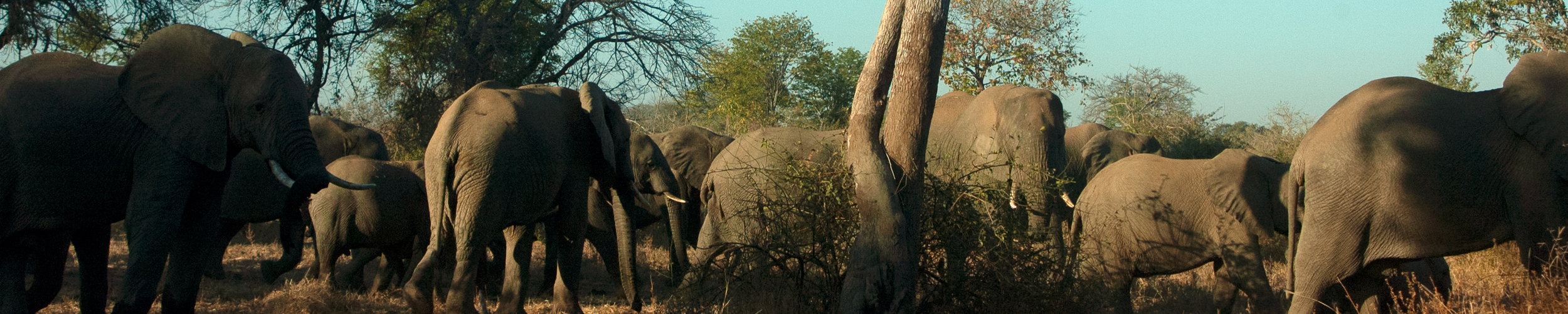
Botswana, home to one third of Africa's elephants, announced Wednesday that it was lifting its ban on the hunting of the large mammals.
"The Ministry of Environment, Natural Resources Conservation and Tourism wishes to inform the public that following extensive consultations with all stakeholders, the Government of Botswana has taken a decision to lift the hunting suspension," the government announced in a press release shared on social media.
Botswana had banned elephant hunting in 2014 under the leadership of conservation-minded President Ian Khama, who opposed trophy hunting and also introduced a shoot-to-kill policy against poachers, The New York Times reported. But his successor, President Mokgweetsi E.K. Masisi, convened a committee to reassess the ban after winning election in 2018.
The announcement prompted an outcry from conservationists and wildlife lovers around the world.
"The whole world is turning away from hunting. It is increasingly seen as an archaic practice. This is very, very damaging to the image of Botswana as a global leader in elephant conservation," Kenyan-based expert and activist Dr. Paula Kahumbu said, as The Guardian reported.
Celebrities including Ellen DeGeneres and Kristin Davis also spoke out against lifting the ban, according to The New York Times.
May 23rd is World Turtle Day® 2019
Turtles, along with Elephants, Rhinos and more need our protection!

Story and photo: https://www.worldturtleday.org/
American Tortoise Rescue launched World Turtle Day to increase respect and knowledge for the world’s oldest creatures. These gentle animals have been around for 200 million years, yet they are rapidly disappearing as a result of smuggling, the exotic food industry, habitat destruction, global warming and the cruel pet trade. It is a very sad time for turtles and tortoises of the world. (See slide show here.)
Biologists and other experts predict the disappearance of turtles and tortoises within the next 50 years. Adults and children can do a few small things that can help save turtles and tortoises for future generations.
Never buy a turtle or tortoise from a pet shop as it increases demand from the wild.
Never remove turtles or tortoises from the wild unless they are sick or injured.
If a tortoise is crossing a busy highway, pick it up and send it in the same direction it was going – if you try to make it go back, it will turn right around again (but be safe yourself!).
Write letters to legislators asking them to keep sensitive habitat preserved or closed to off road vehicles and to prevent offshore drilling that can lead to endangered sea turtle deaths.
Report cruelty or illegal sales of turtles and tortoises to your local animal control shelter.
Report tiny turtles less than four inches sold at pet stores and street vendors or used as prizes at carnivals and other events. Their sale has been illegal since 1974.
ATR’s ultimate goal is to stop the illegal trade in turtles and tortoises around the world. The first priority here in the U.S. is to ask pet stores and reptile shows to stop the sale of hatchling tortoises and turtles without proper information for the buyer. For example, many people buy sulcata tortoises as an impulse buy because they are so adorable when they are tiny. The breeders and pet stores frequently do not tell the buyers that this tortoise can grow to 100 pounds or more and needs constant heat throughout the year since they do not hibernate.
ATR also educates people and schools about the real risk of contracting salmonella from water turtles. Wash hands thoroughly every time you touch a turtle or its water, and do not bring turtles into schools or homes where children are under the age of 12.
Some of the highlights to make World Turtle Day special, include:
Everyone can join the party at home, at a pub or at work! ATR created a World Turtle Day Party Pack that can be accessed for free here http://bit.ly/1YwebJR
Like the World Turtle Day page on Facebook and join thousands of fans who are enjoying selfies, baking and other contests and prizes in honor of World Turtle Day.
Follow @WorldTurtleDay on Twitter where last year it trended at the top when thousands of people tweeted #worldturtleday to spread the good word about turtles.
Sick slaughter of 2,000 hippos as Zambia accused of cashing in on cull!
Hippos are under increasing threat from poaching, wildlife trade and sport hunting, and there are only approximately 130,000 wild hippos remaining.
EXCLUSIVE: Locals say the hippo population in Zambia's Luangwa Valley is under threat with claims government 'cull' is actually a trophy hunting package deal money-spinner.

An unidentified hunter poses with a felled hippo in Zambia
Deep in Zambia’s Luangwa Valley, pods of hippos are happily grunting at one another, the sound echoing across the river.
But soon, the Luangwa waters may run red with their blood – after the government announced 2,000 of them will be culled.
And trophy hunting operators look set to cash in, charging bloodthirsty tourists to help with the state-sanctioned slaughter.
Environment Secretary Michael Gove is said to be considering a ban on the import of trophies from “canned” lion hunting, where the animals are confined for a greater kill chance.
It is believed he will then look at banning imports of other hunting trophies.