
CONSERVATION NEWS
Ranger Report - Q1 2019
With your support, Nsefu.org is making a difference in Zambia.

Rifles and Snares taken from poachers that will no longer kill wildlife!
We had 27 arrested in which…
7 from Kakumbi Village.
7 from Nsefu Village.
6 from Mnkhaya.
3 from Jumbe.
2 from Msoro.
2 from National Park.
As it stands…
7 are Pending in Court.
2 have been Acquitted.
18 Convicted.
Recovered Items…
14.2 kg of Ivory.
47 kg of Buffalo Meat.
1.5 kg of Puku Fresh Meat.
2 full Carcasses of Dried Impala Meat.
182 kg Fresh Hippo Meat.
5 Homemade Shotgun.
1 Muzzle Loading Gun.
1 Greener Shotgun.
21 Shells (Ammunition).
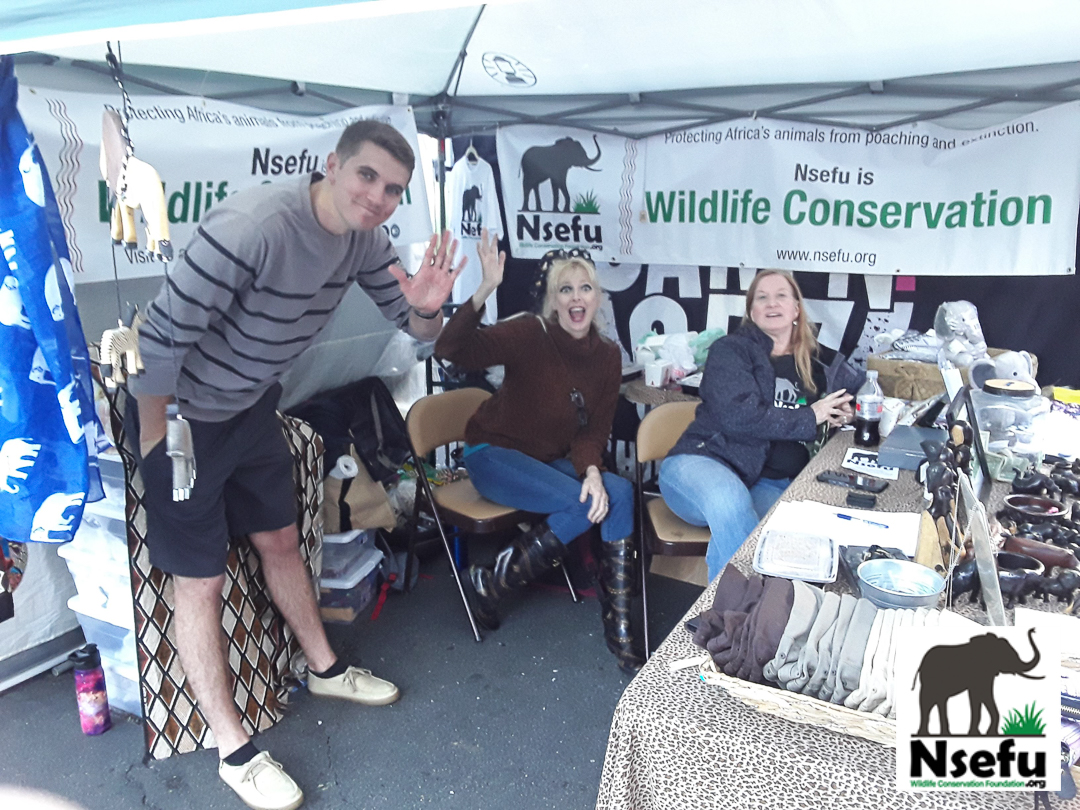
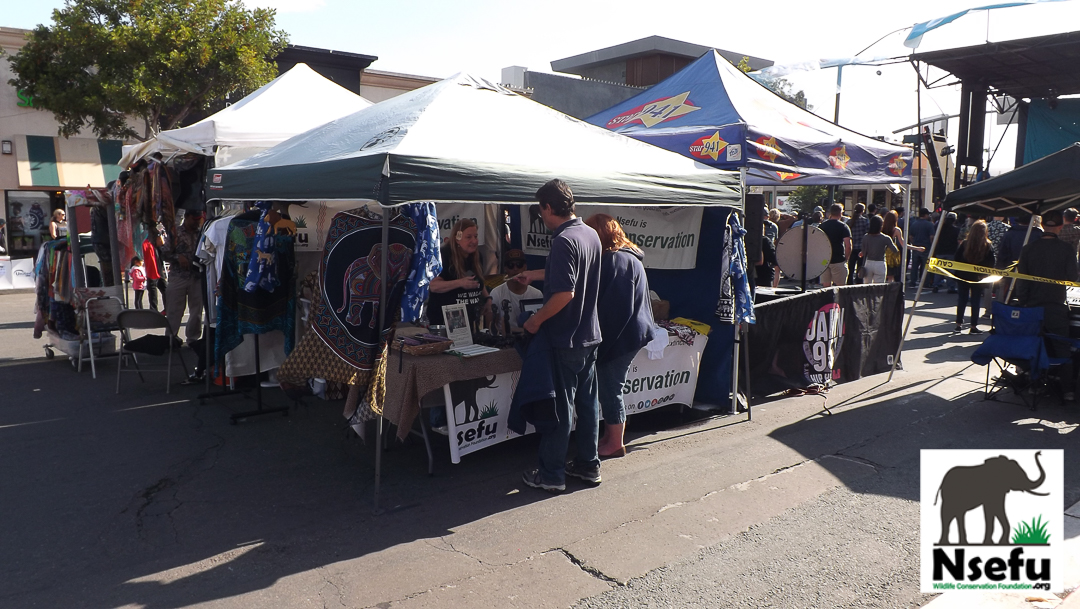
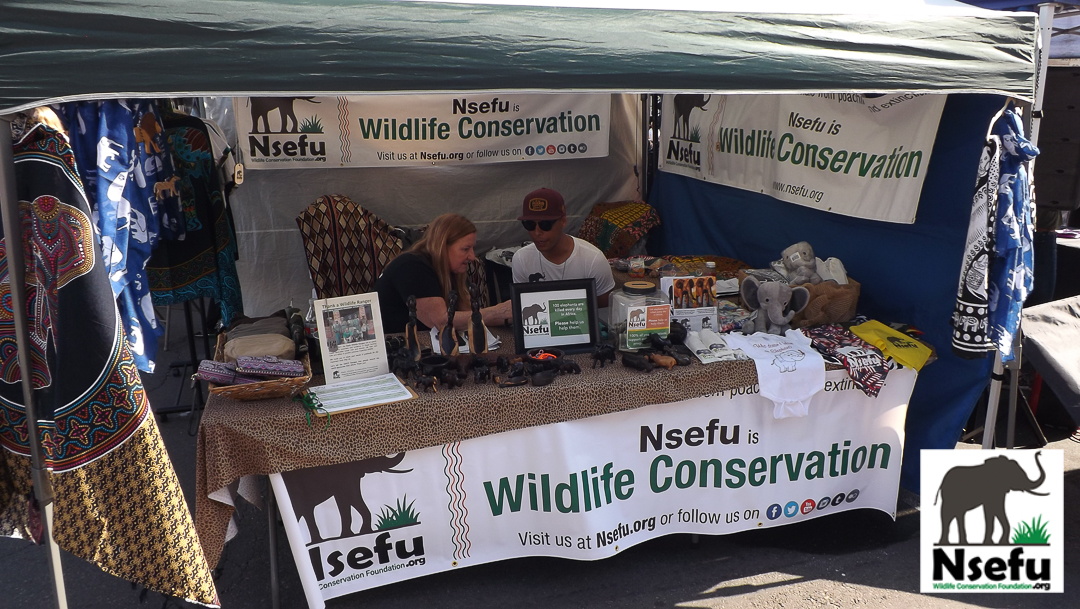
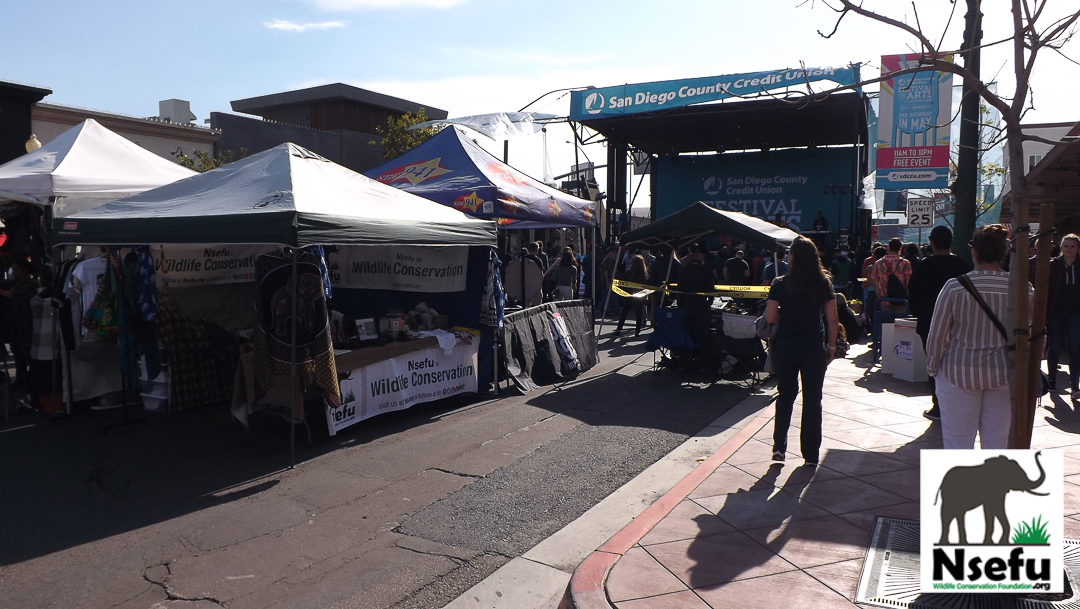
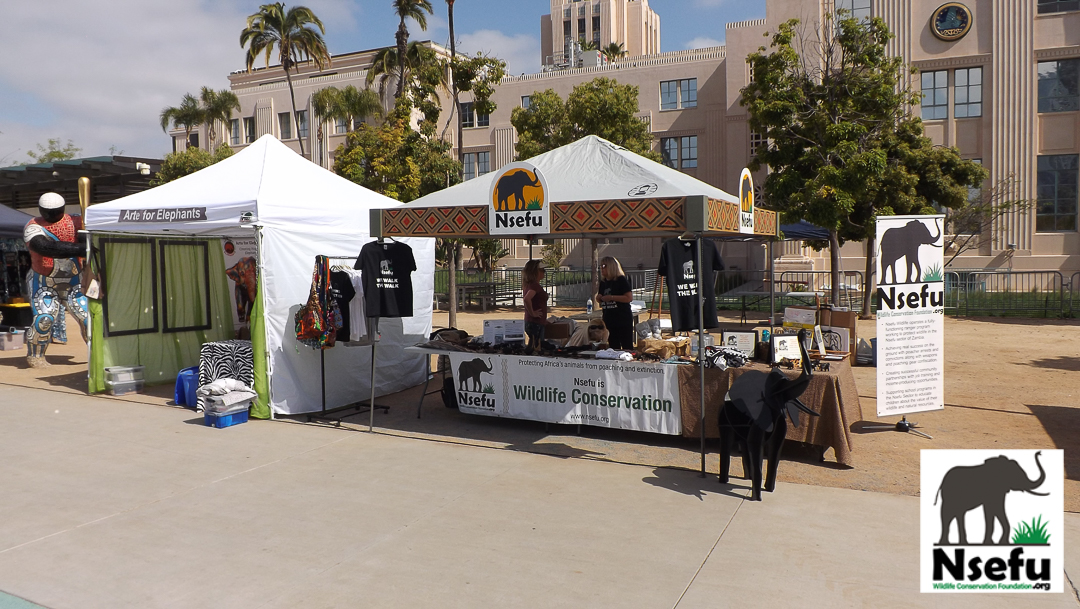
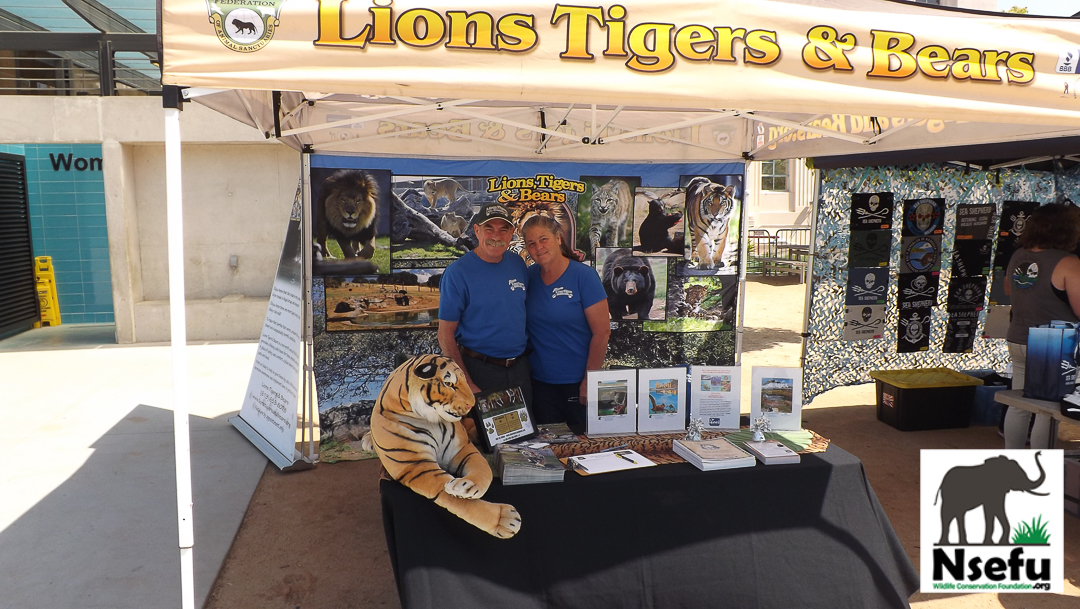
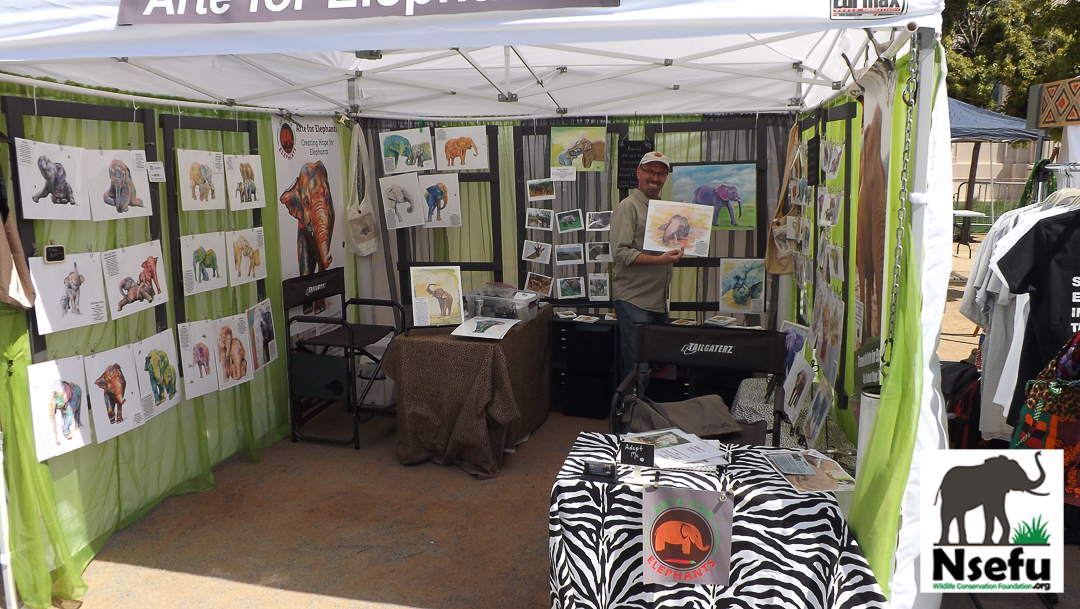
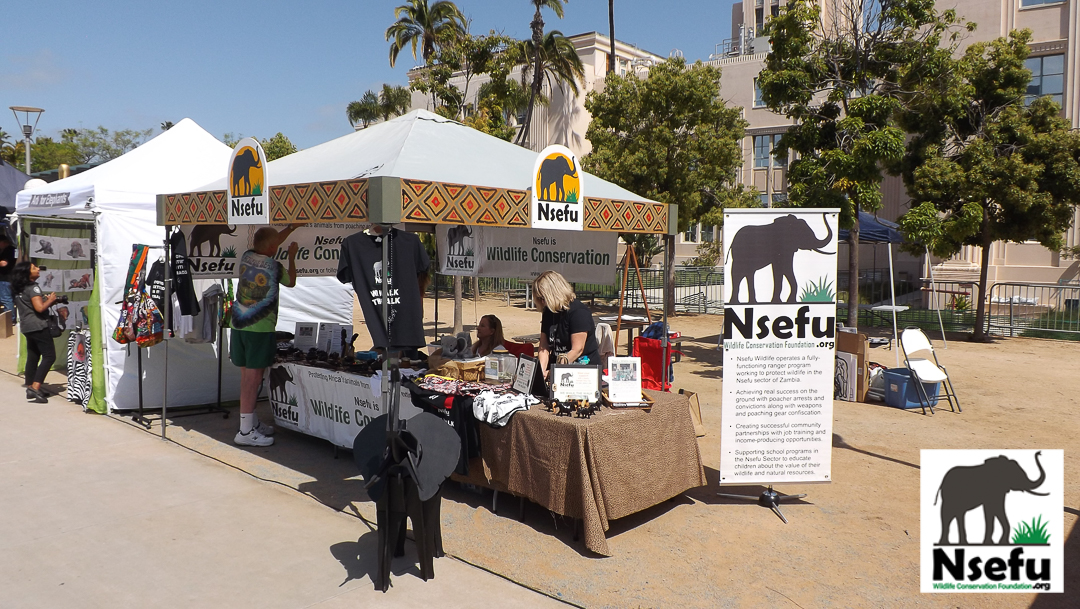
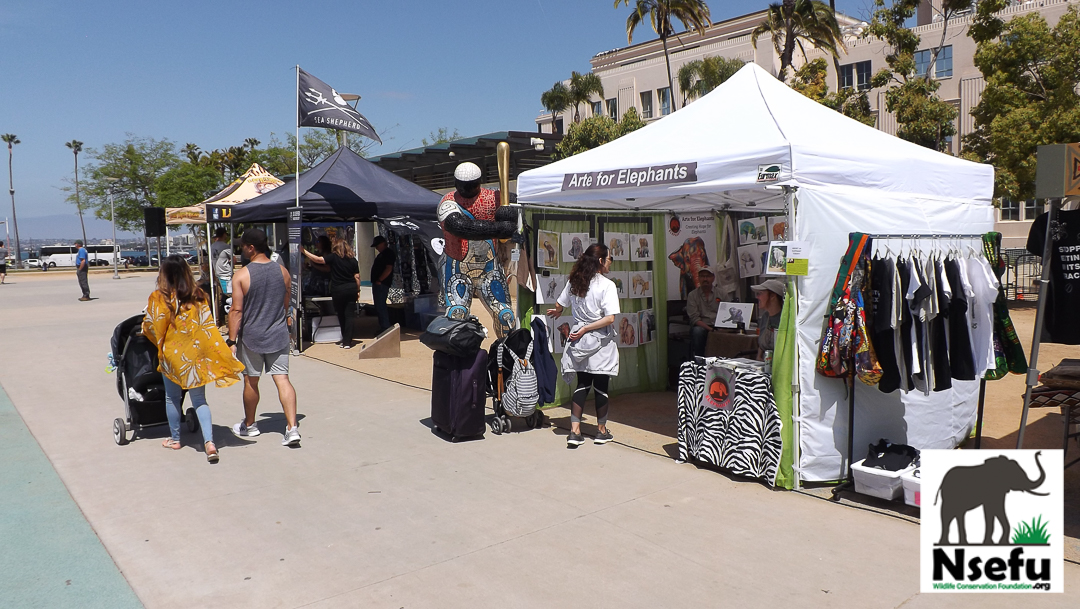
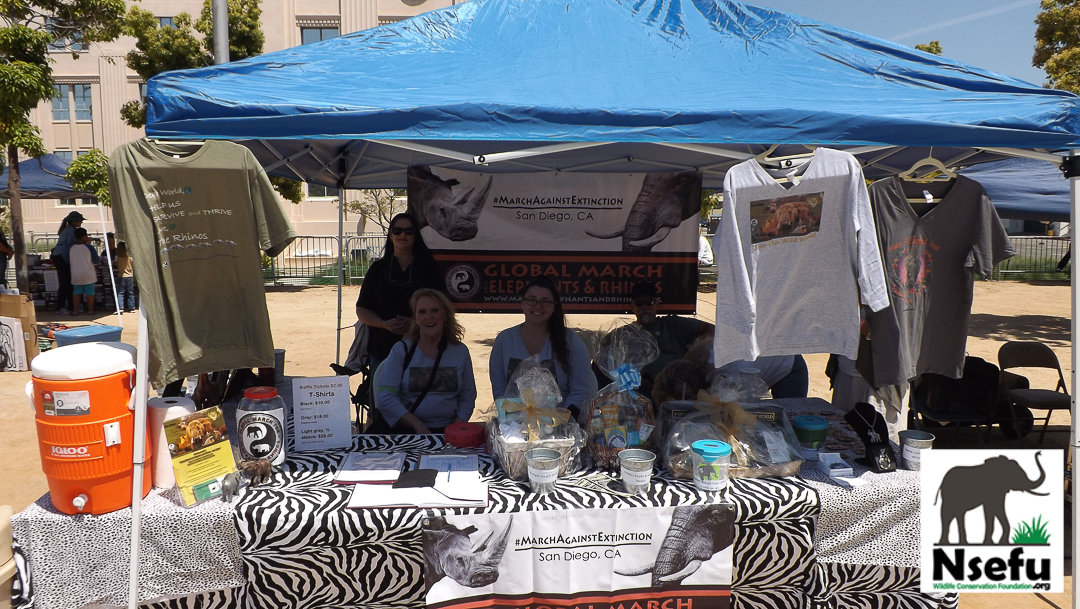
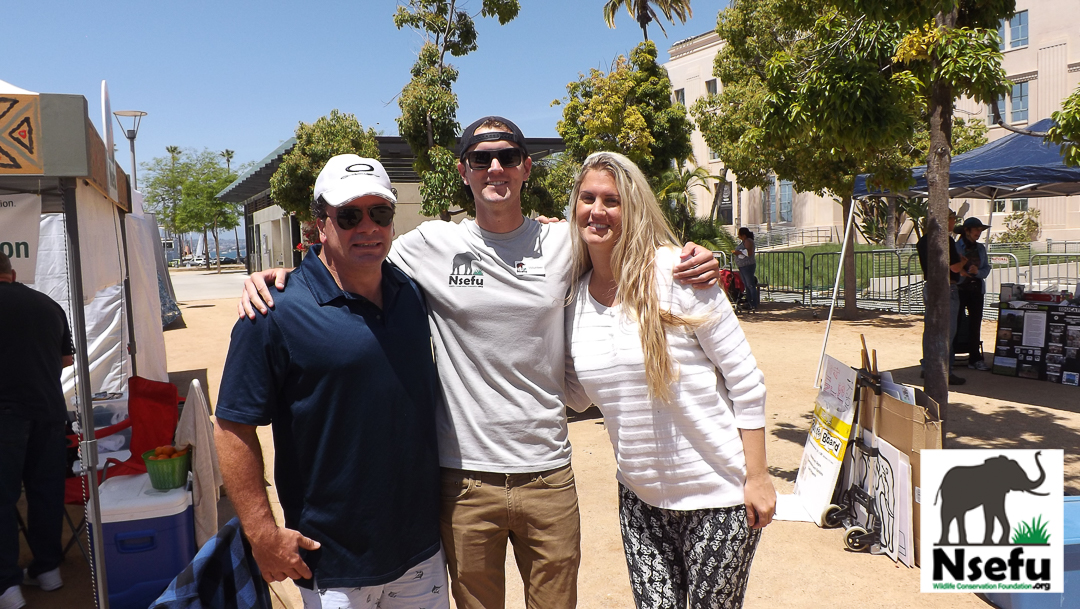
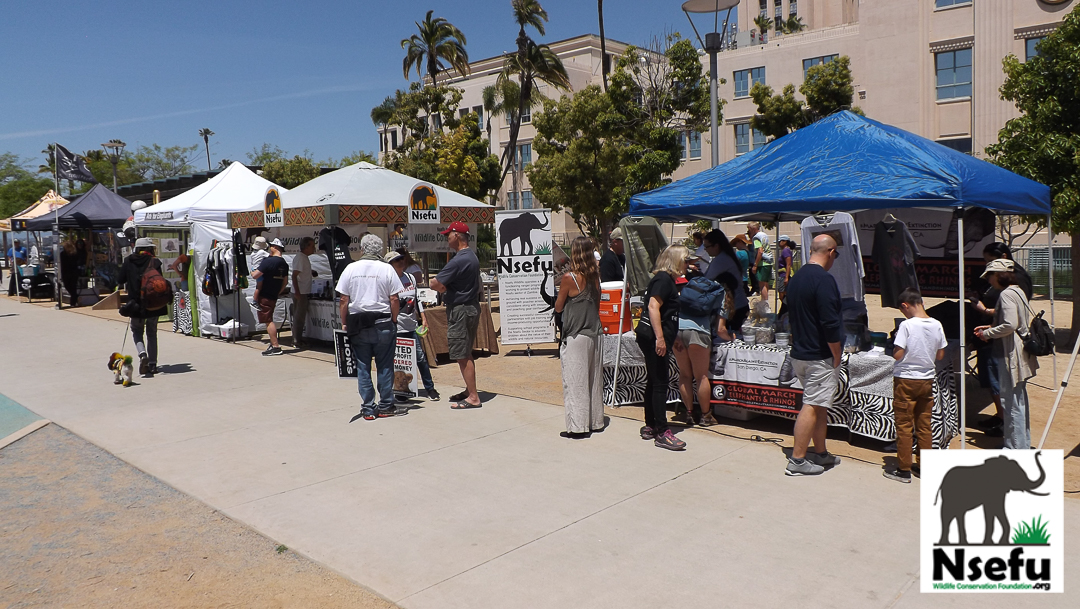
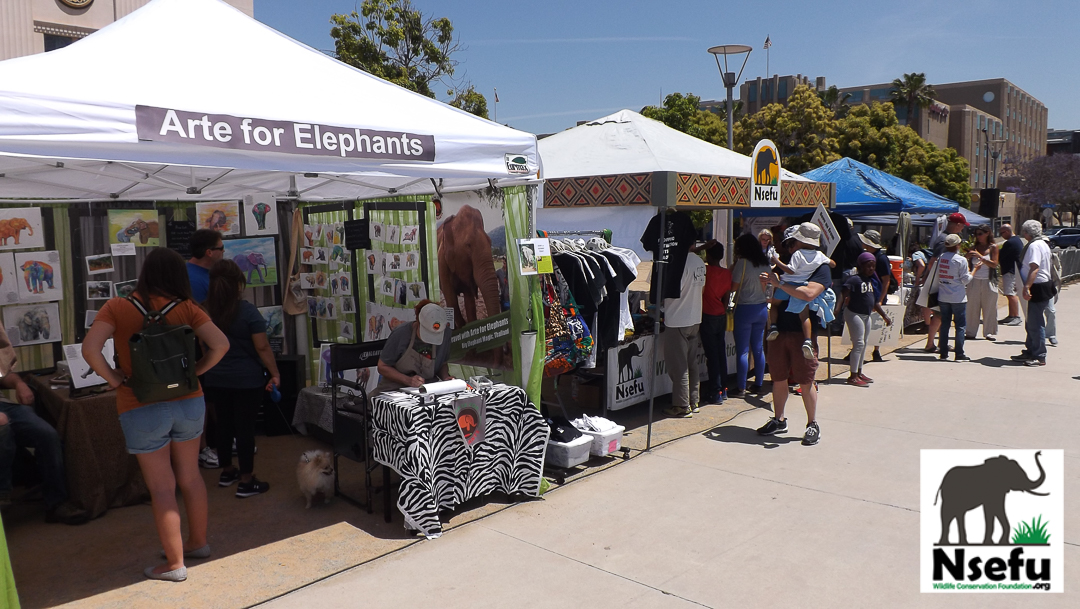
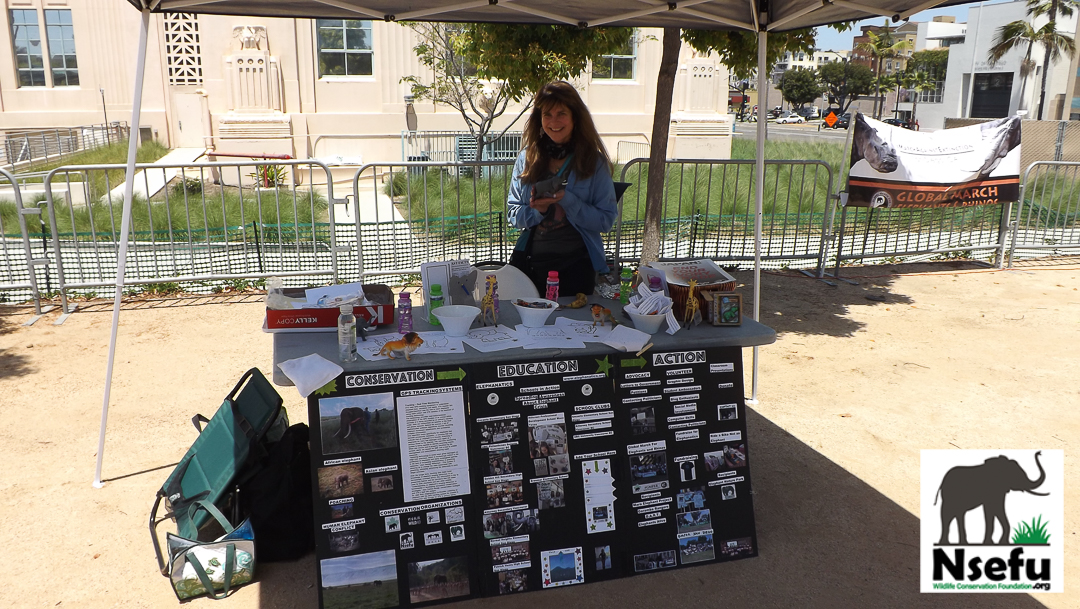
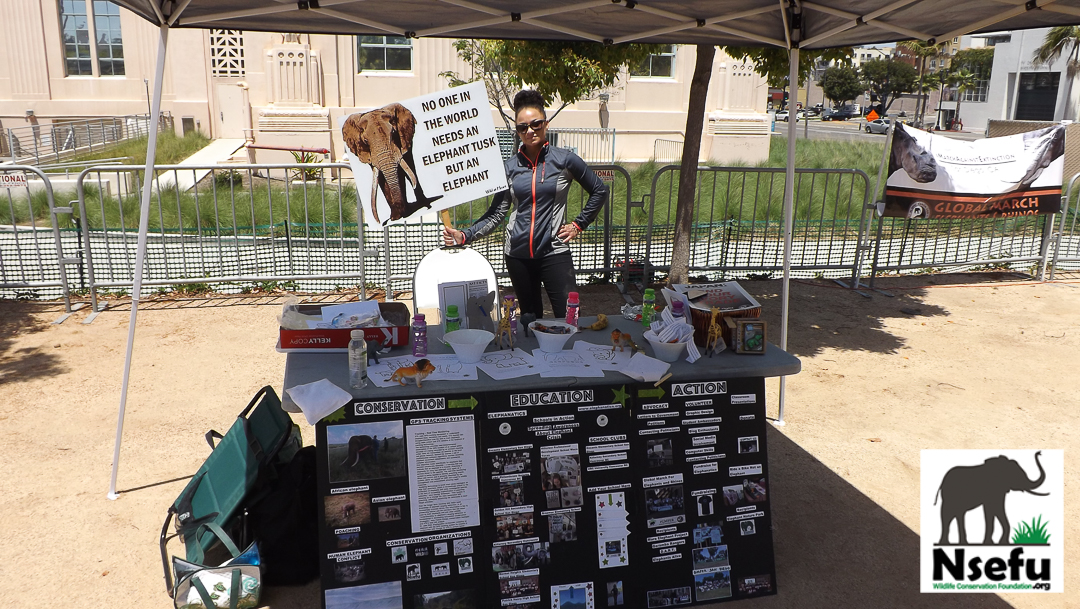
Nsefu.org at the SDCCU Festival of Arts in North Park
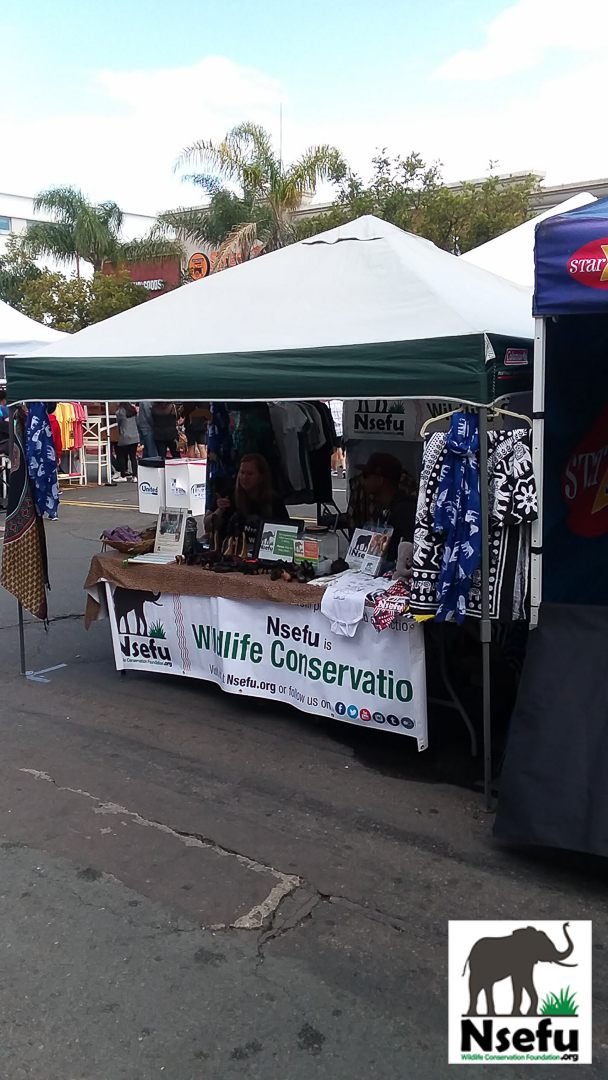
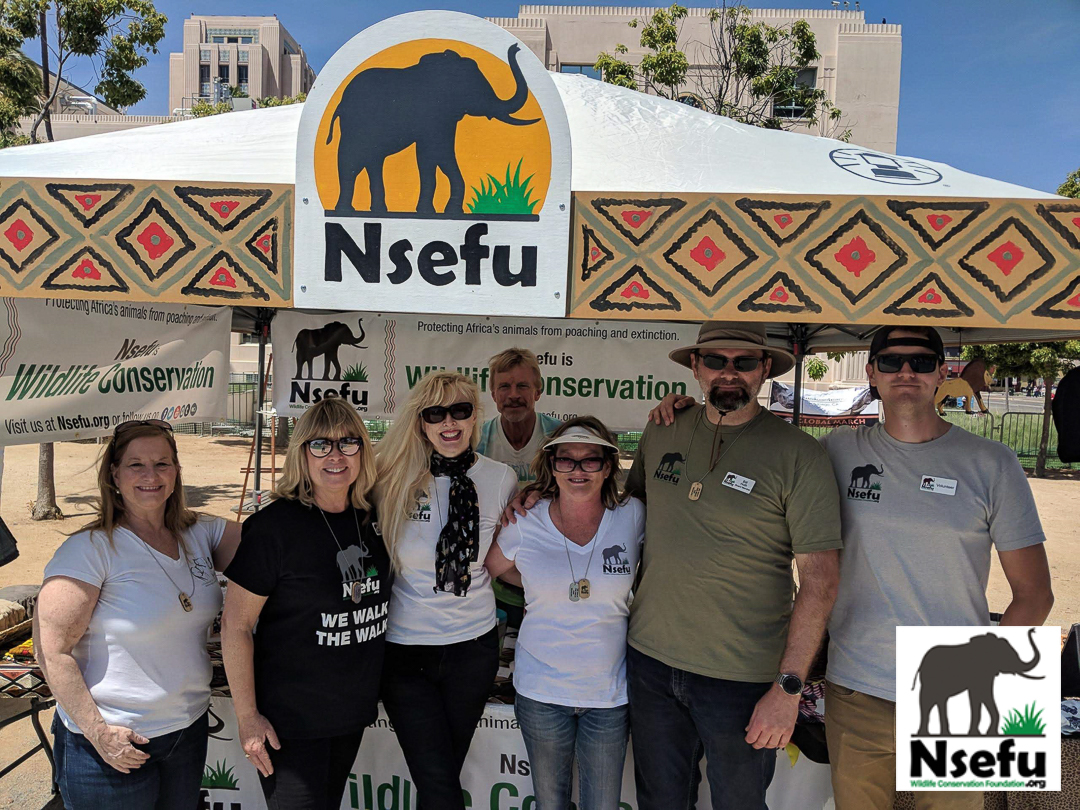
The Nsefu.org team out and about in North Park!
We’d like to thank all those who stopped by our booth to say hello and learn more about our conservation efforts in Zambia.
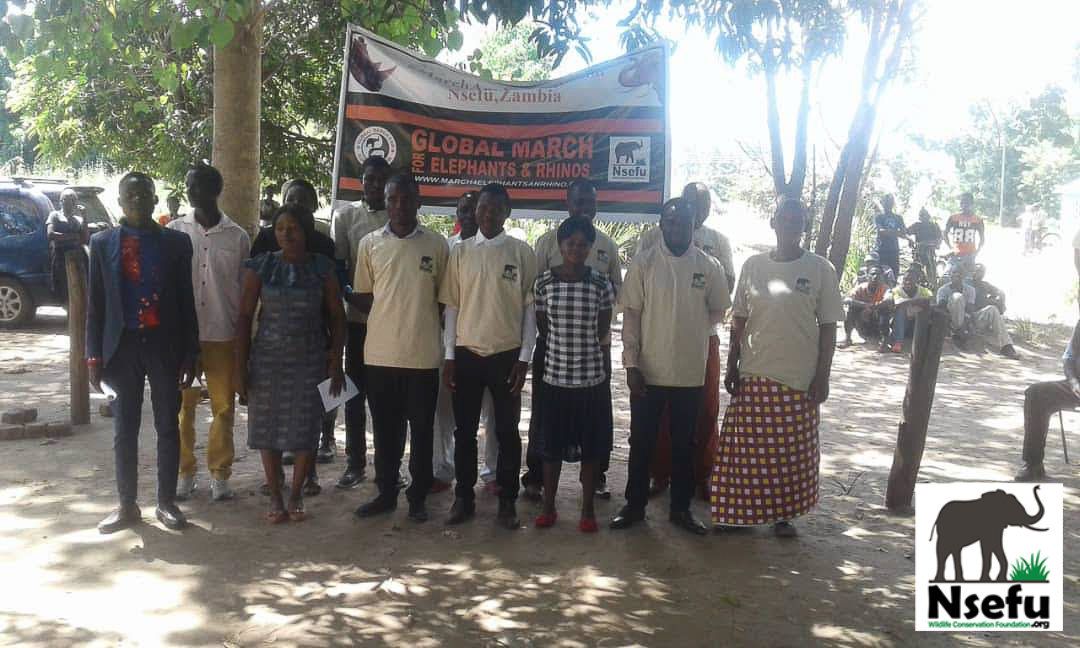
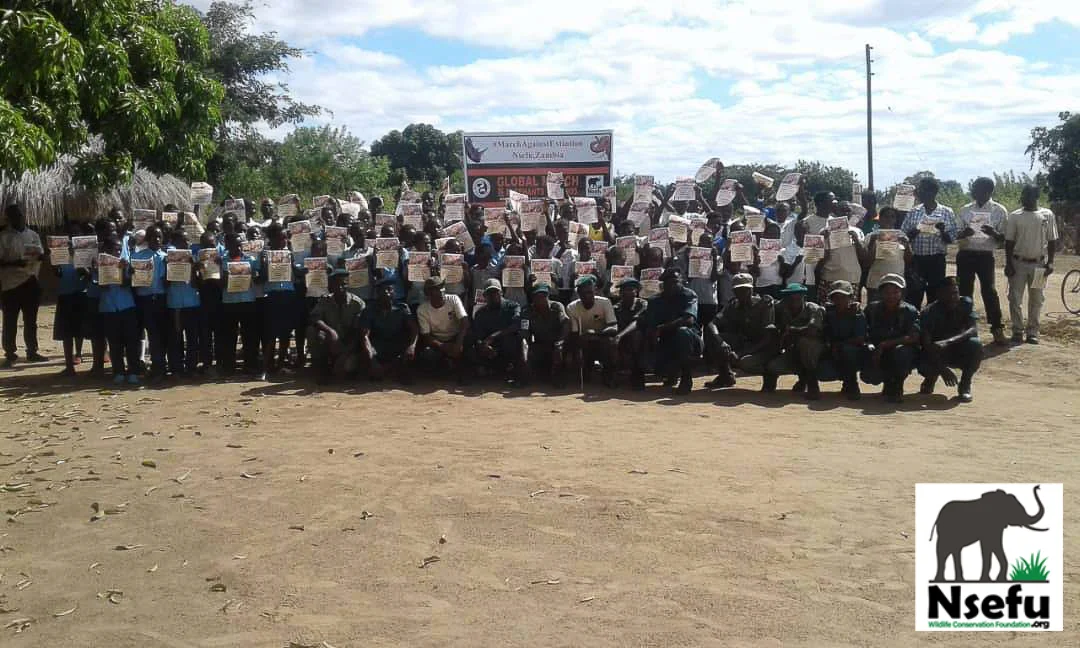
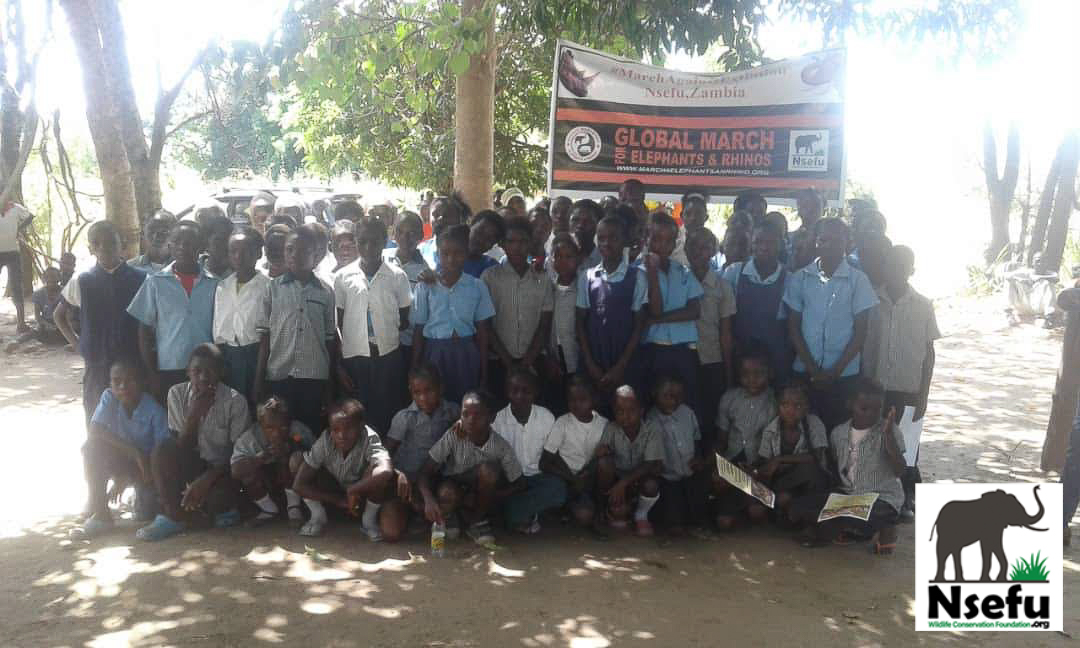
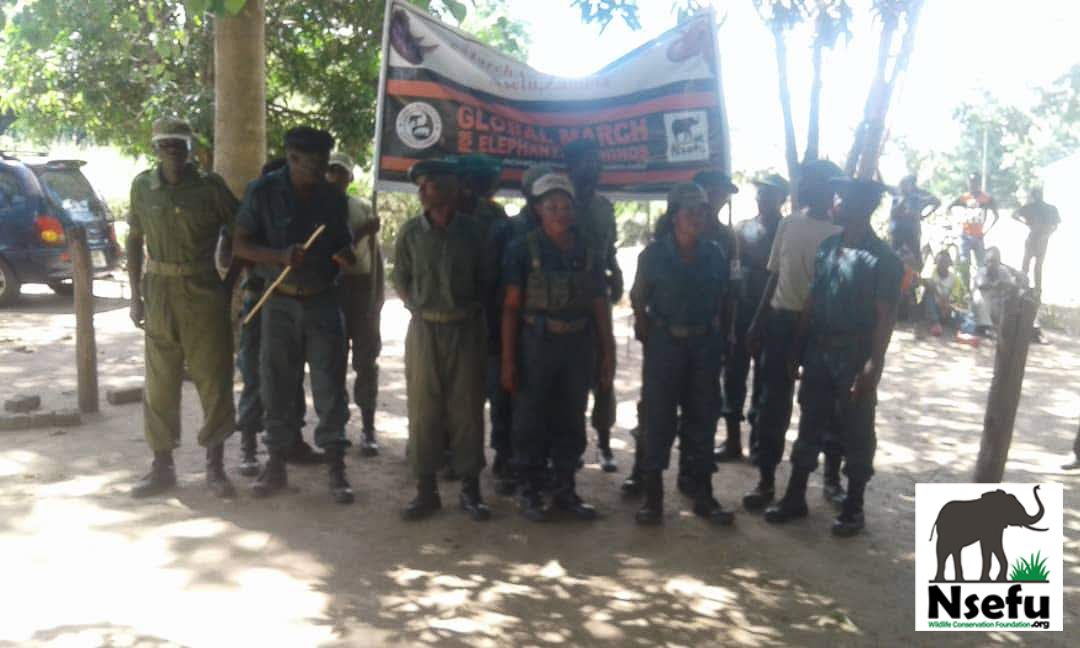
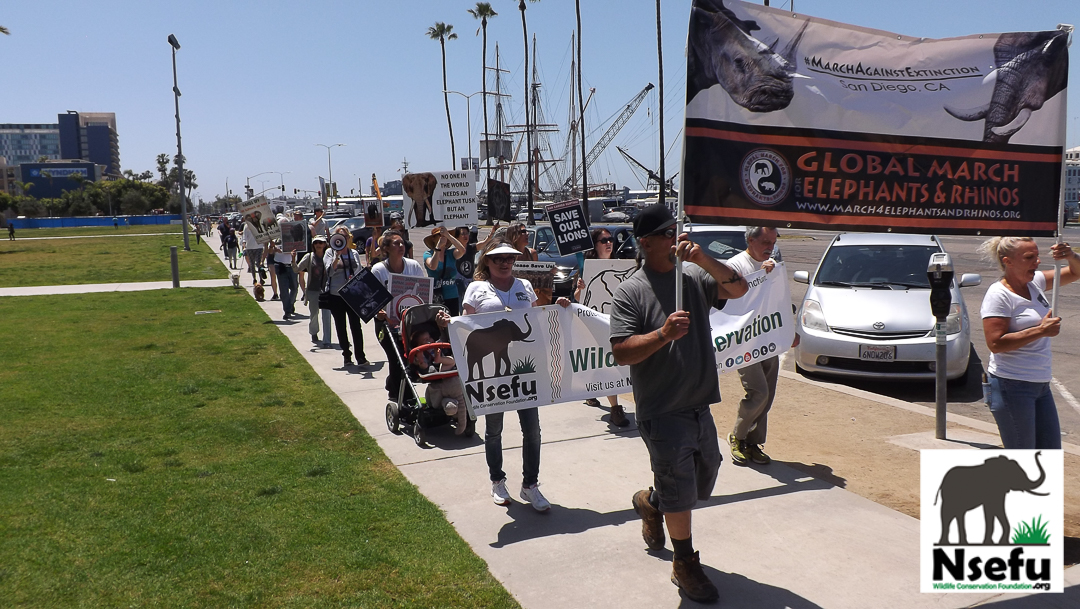
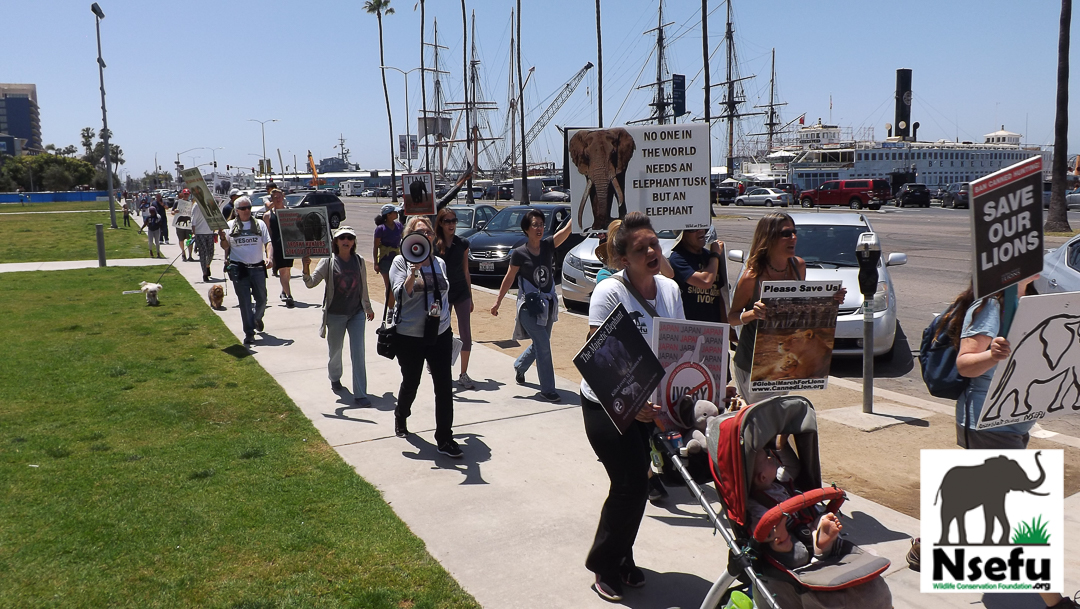
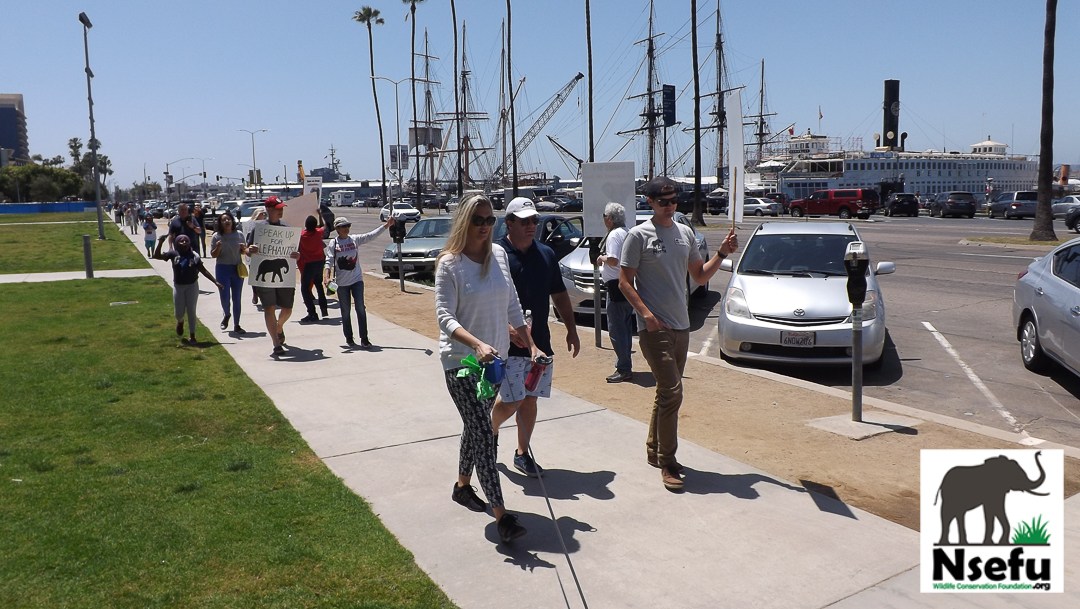
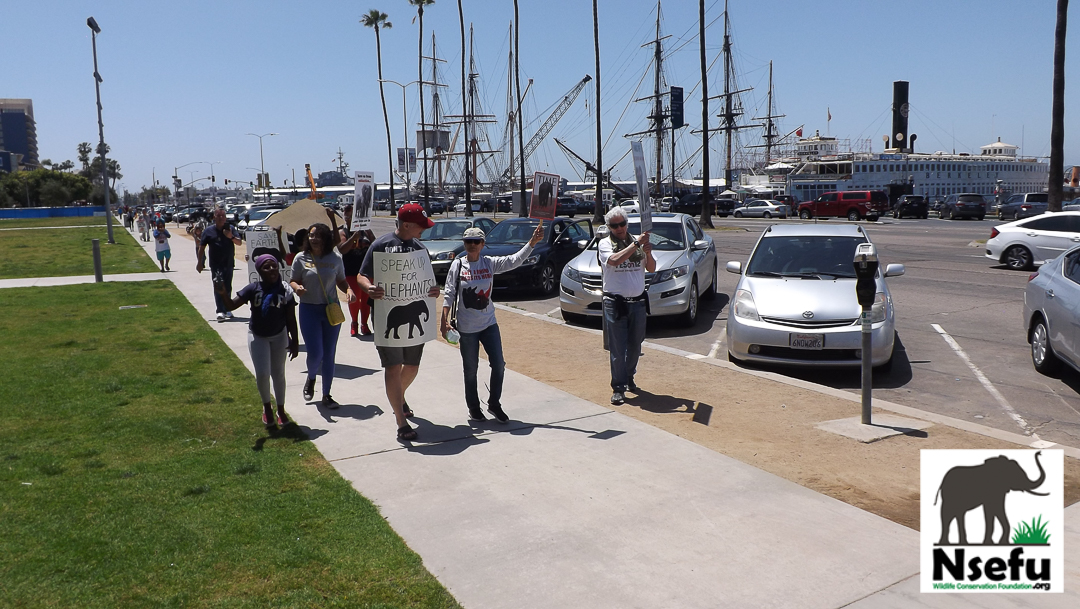
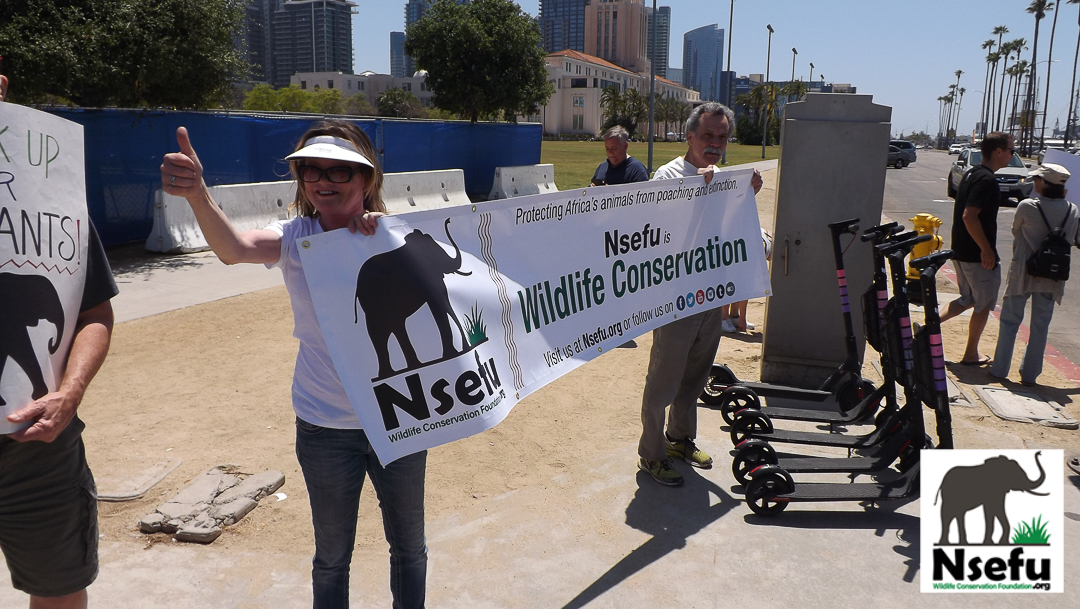
Nsefu.org joins The Global March for Elephants & Rhinos with events in Zambia, San Diego & Honolulu
Nsefu.org shows its support for Elephants, Rhinos and other endangered species.

Nsefu.org in Honolulu
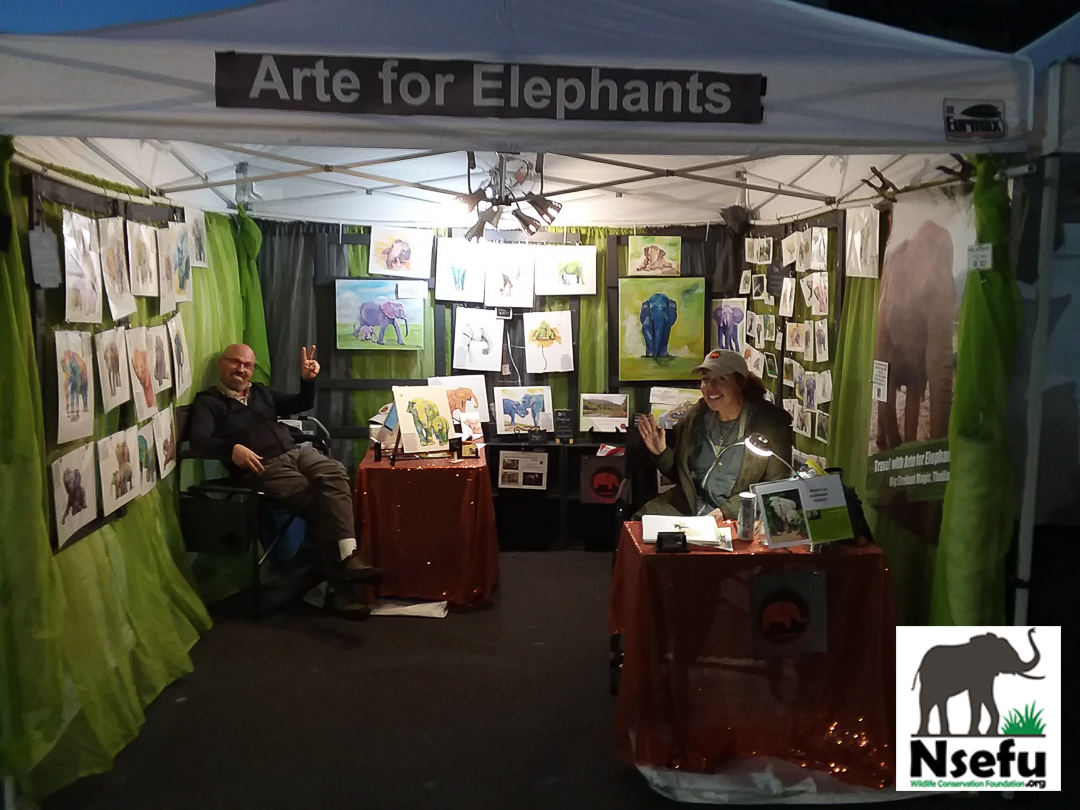
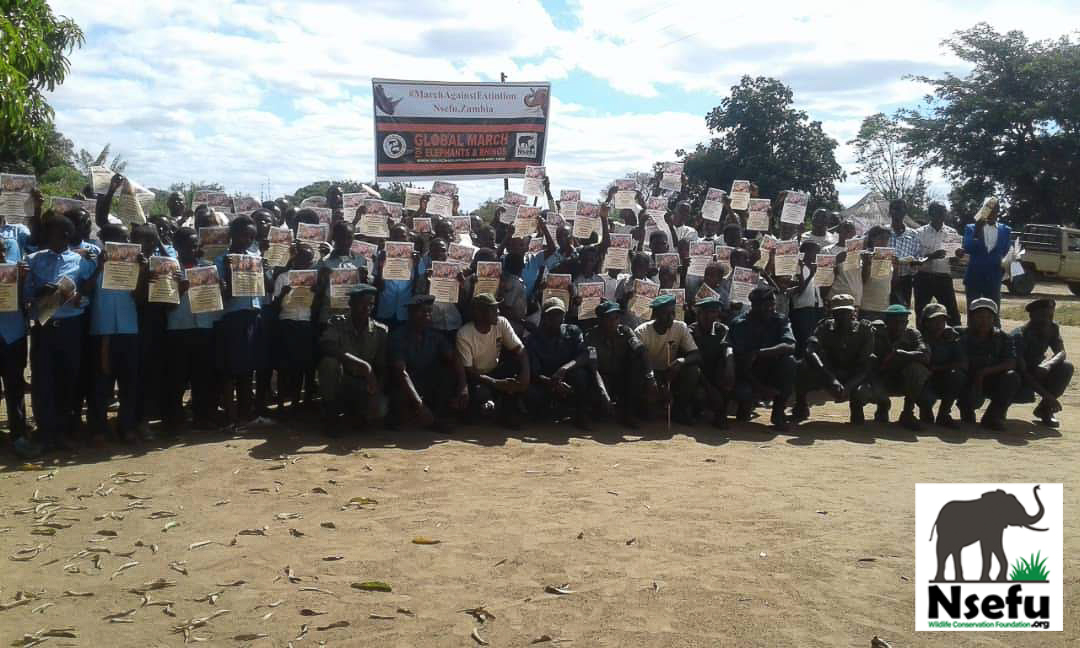
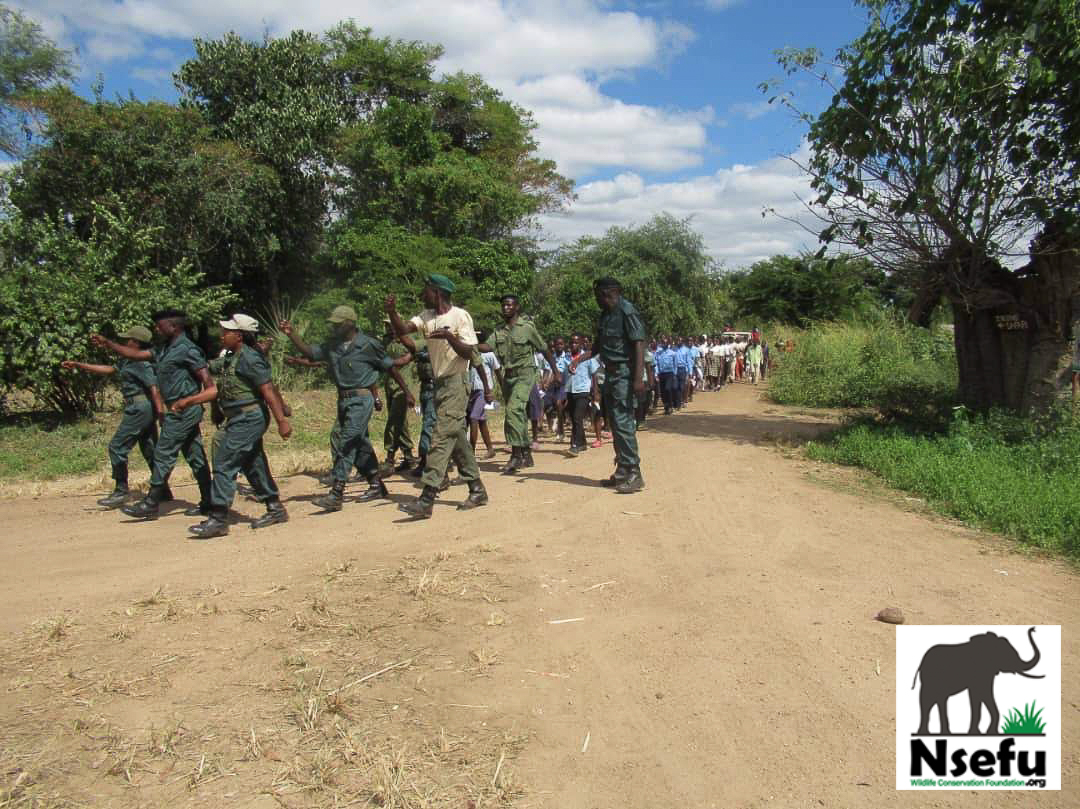
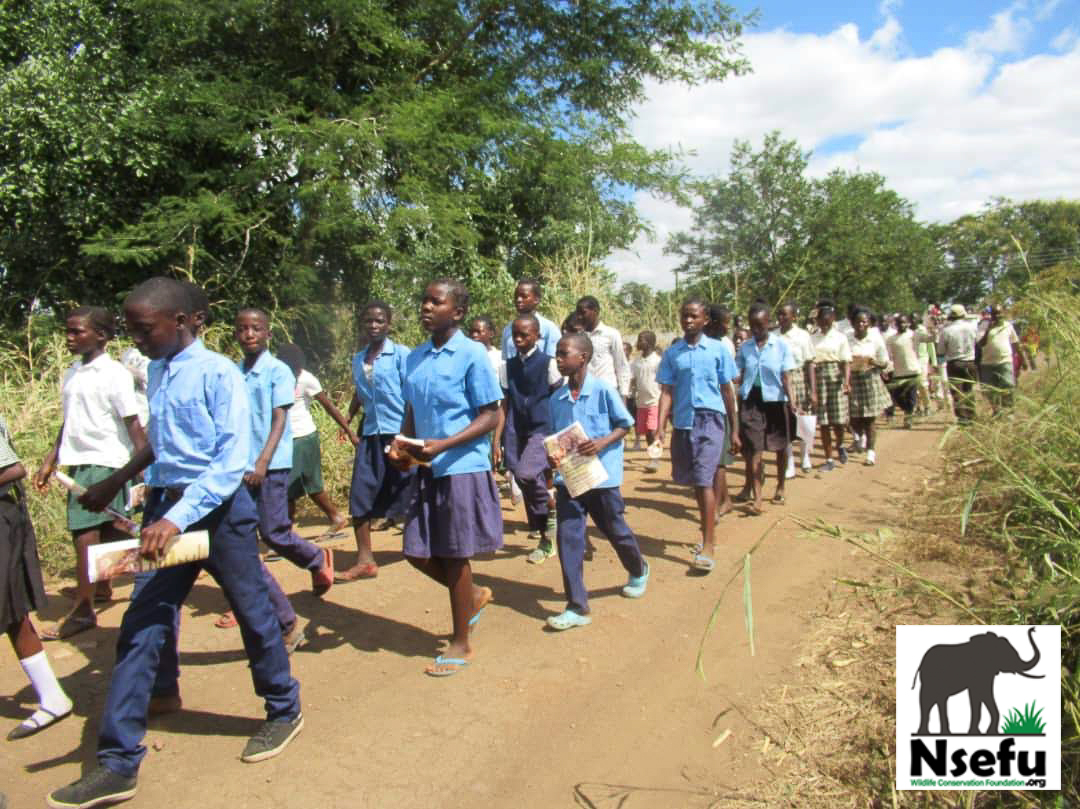
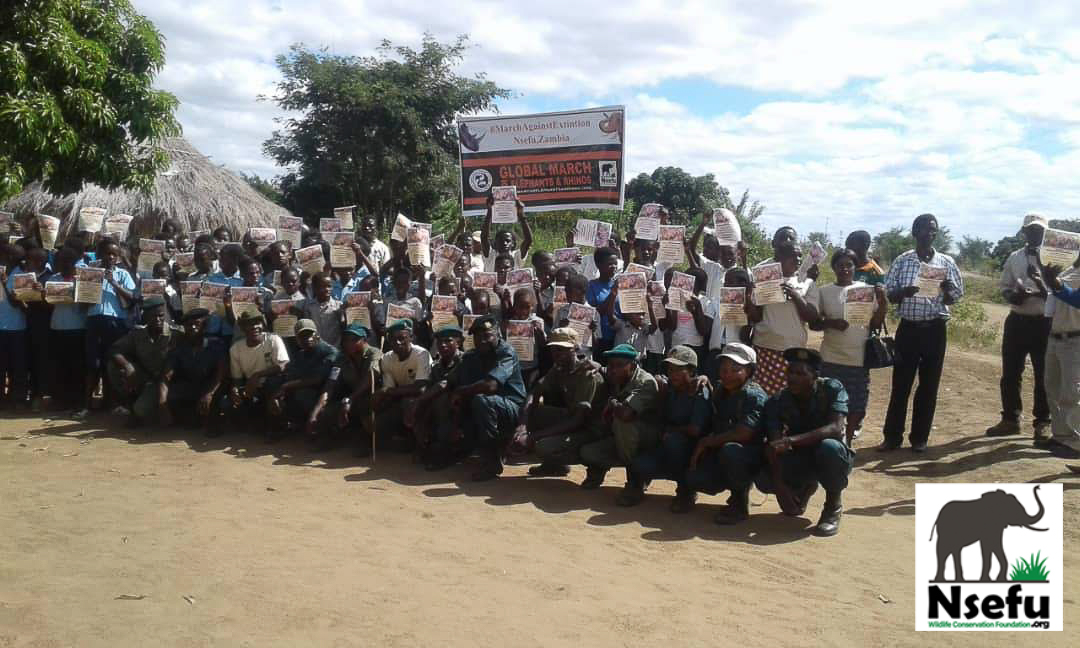
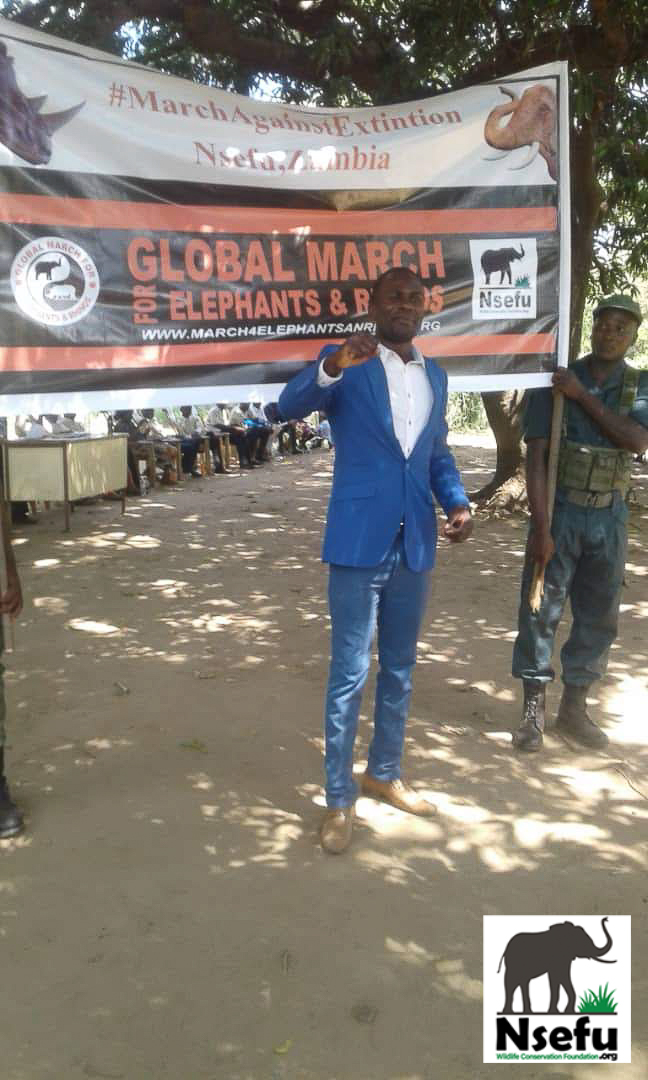
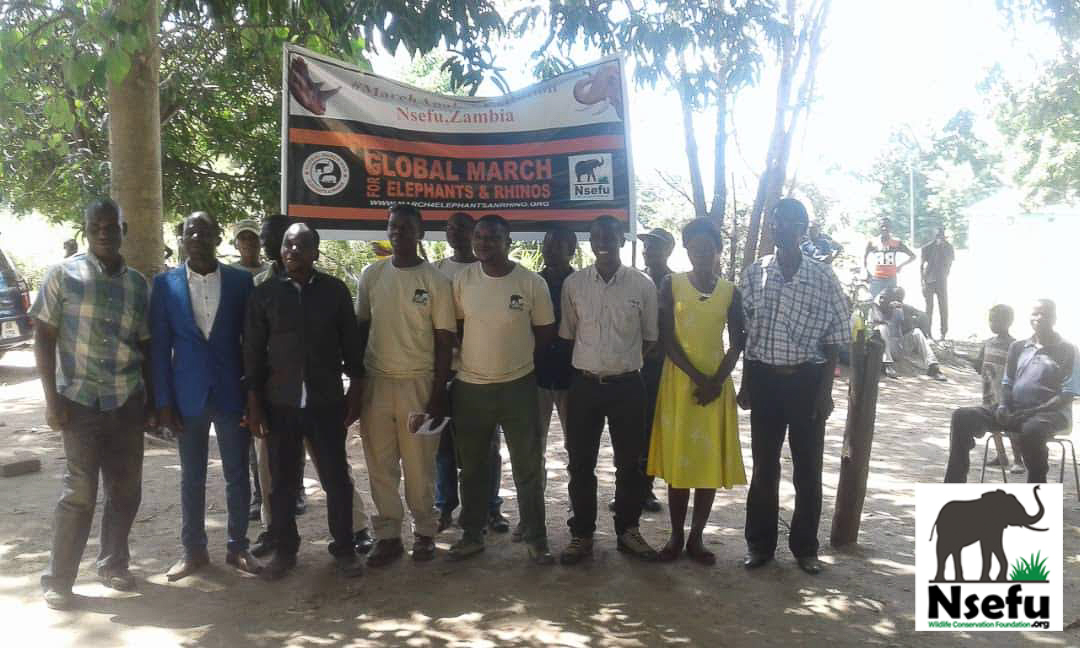
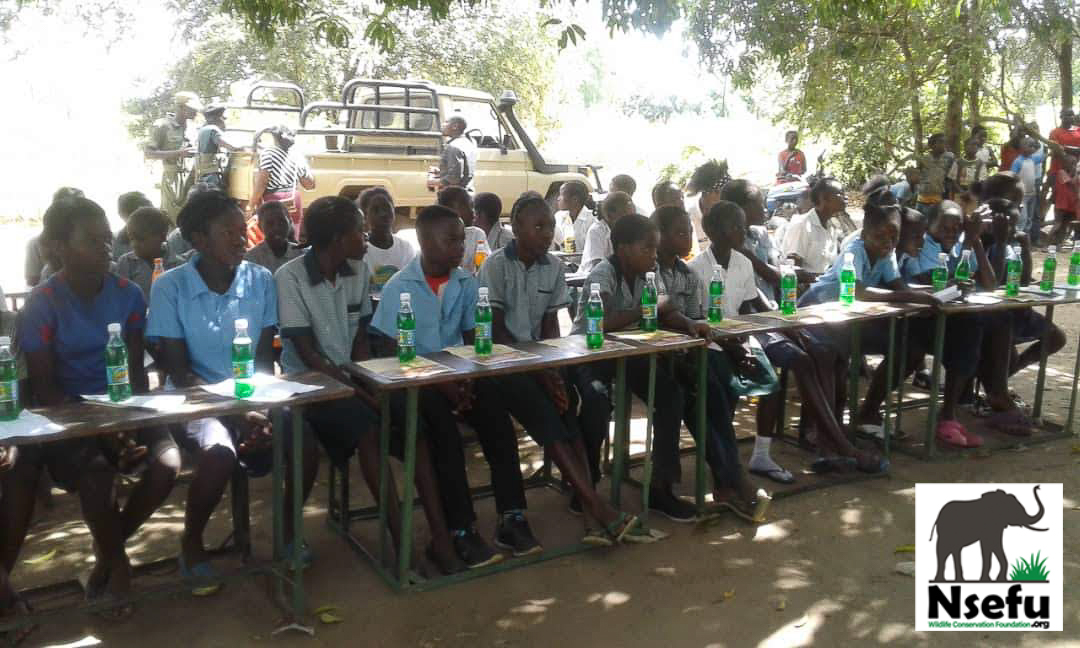
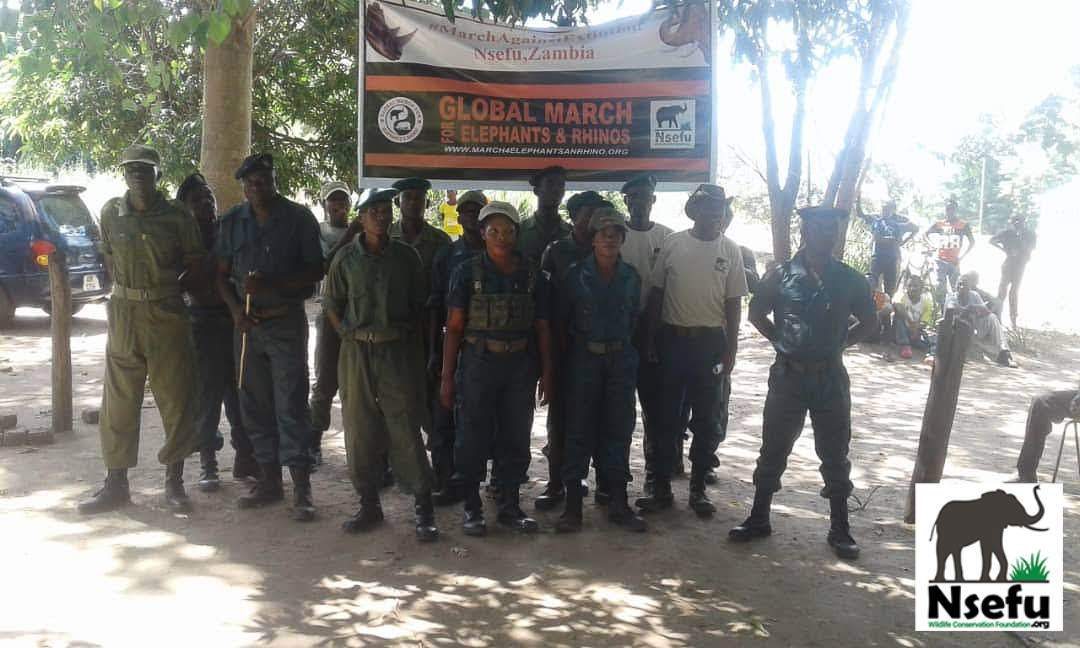
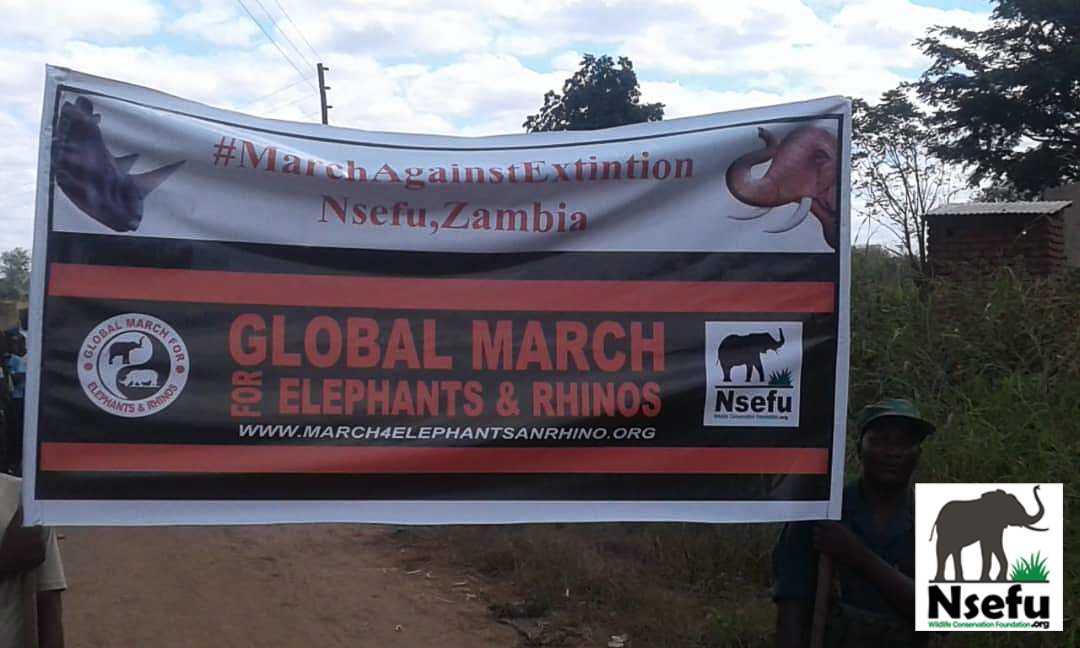
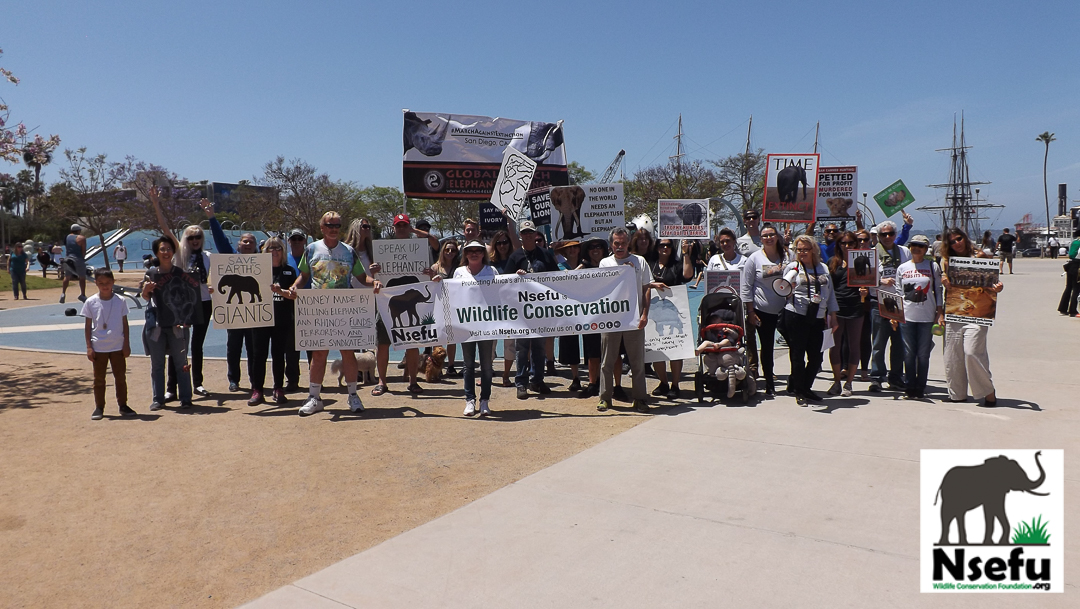
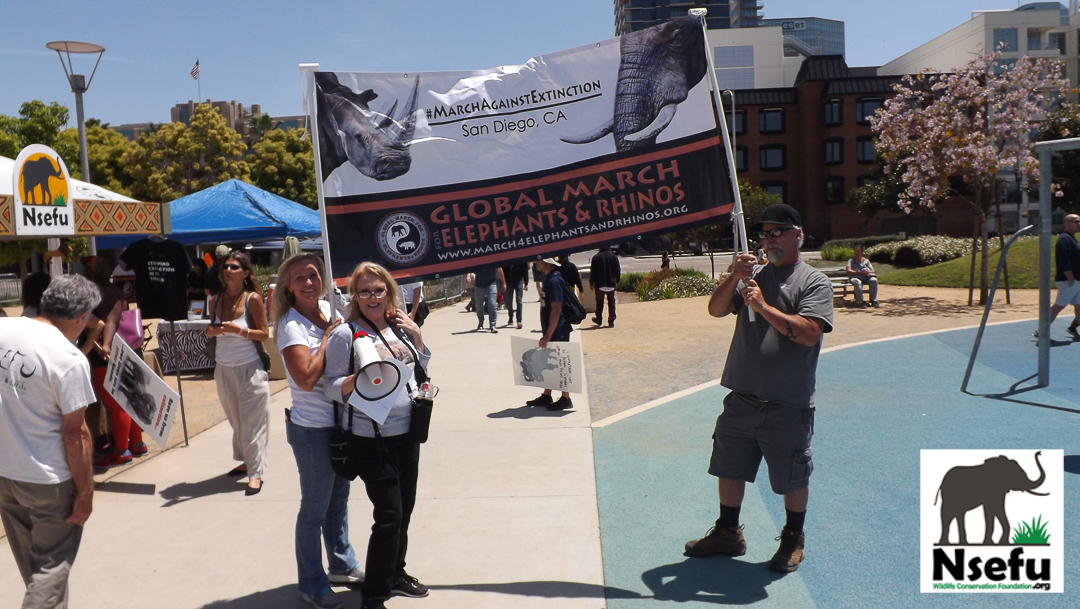
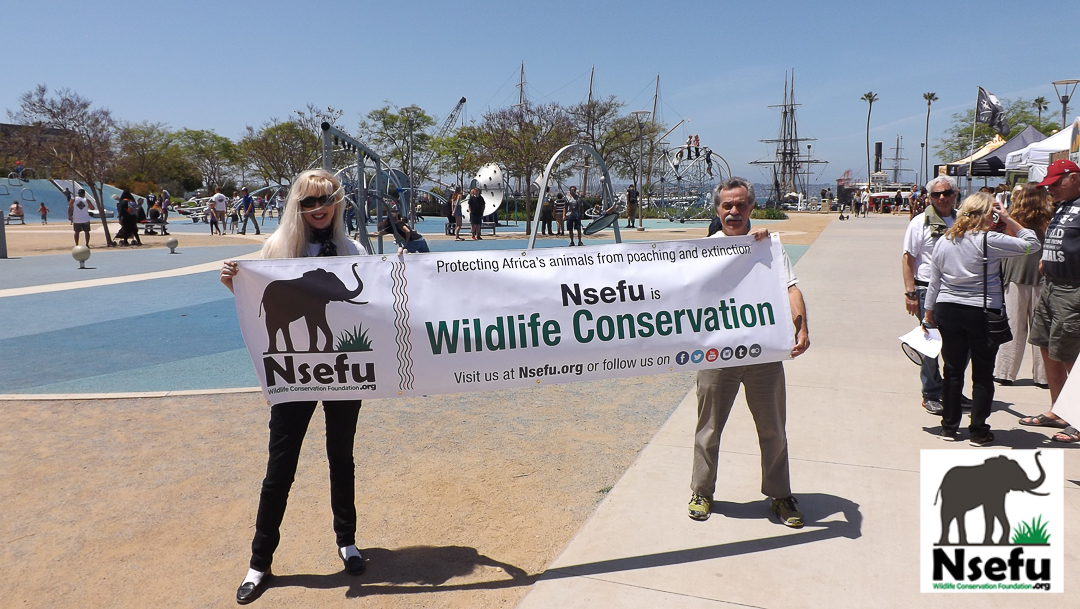
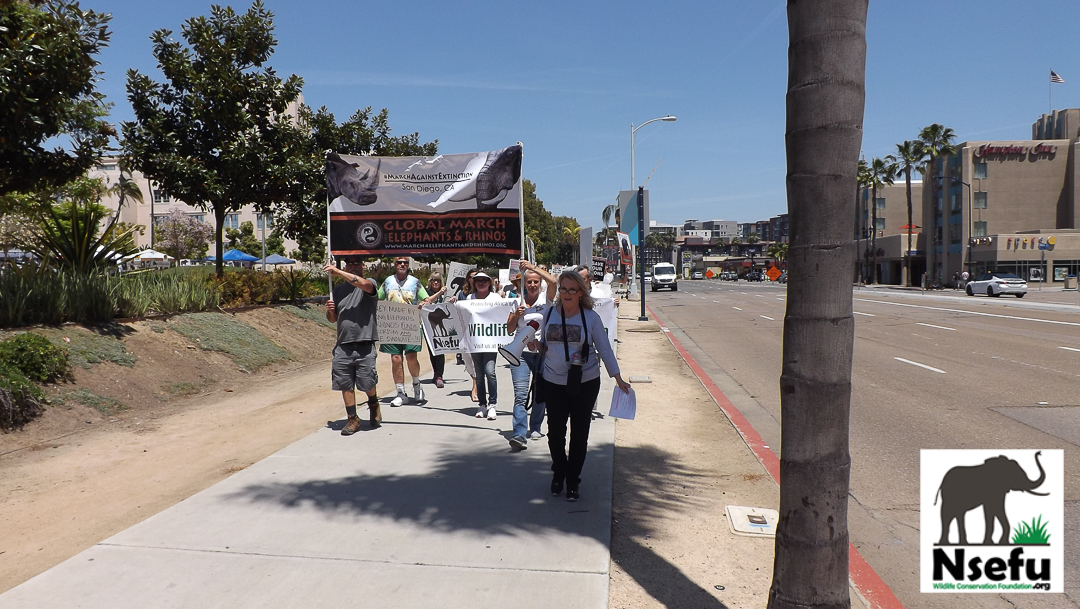
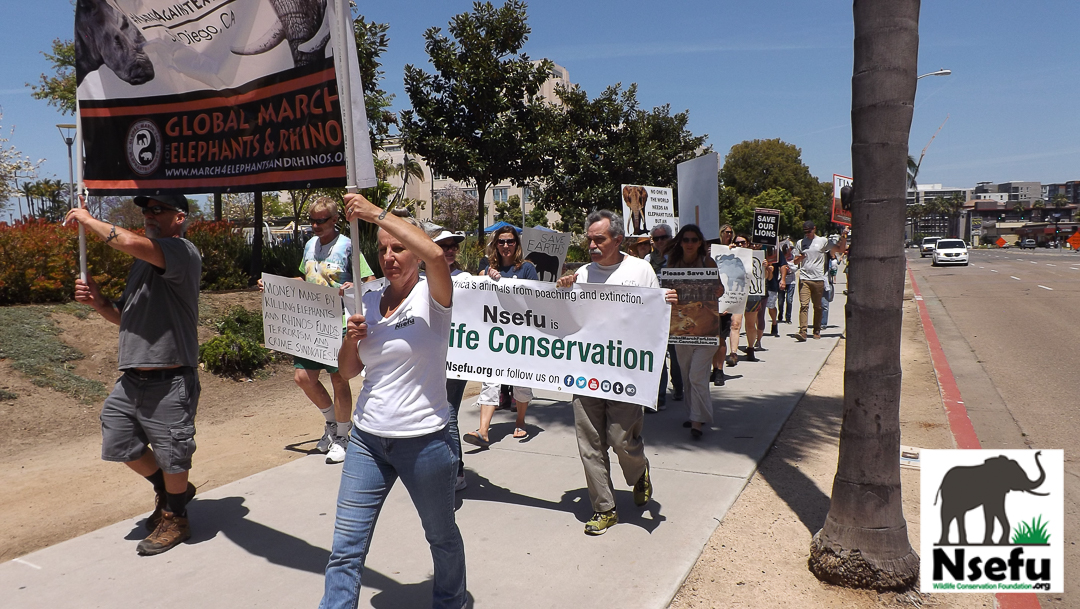
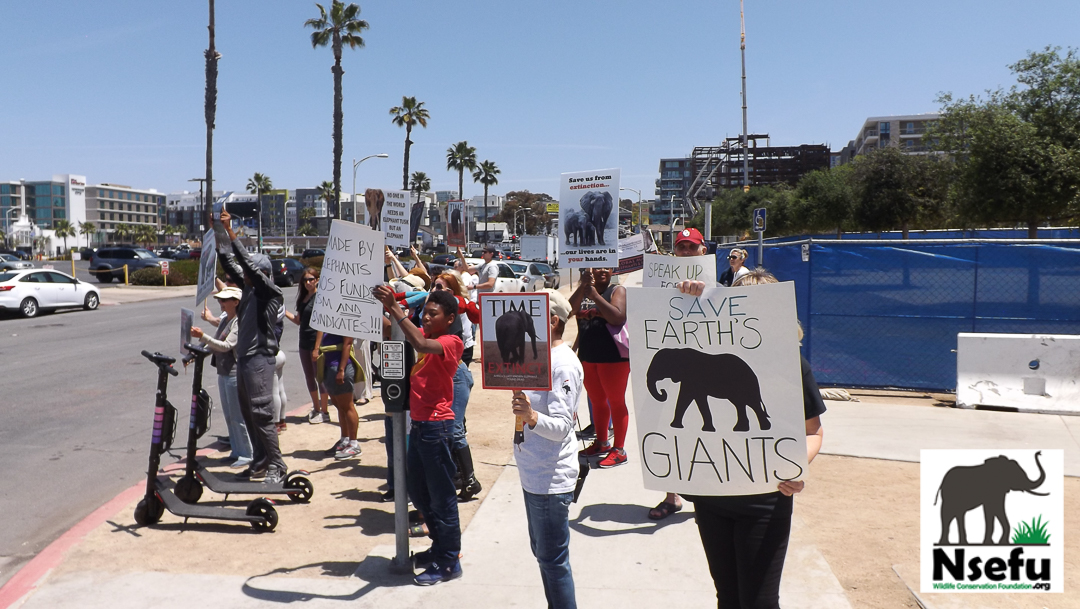
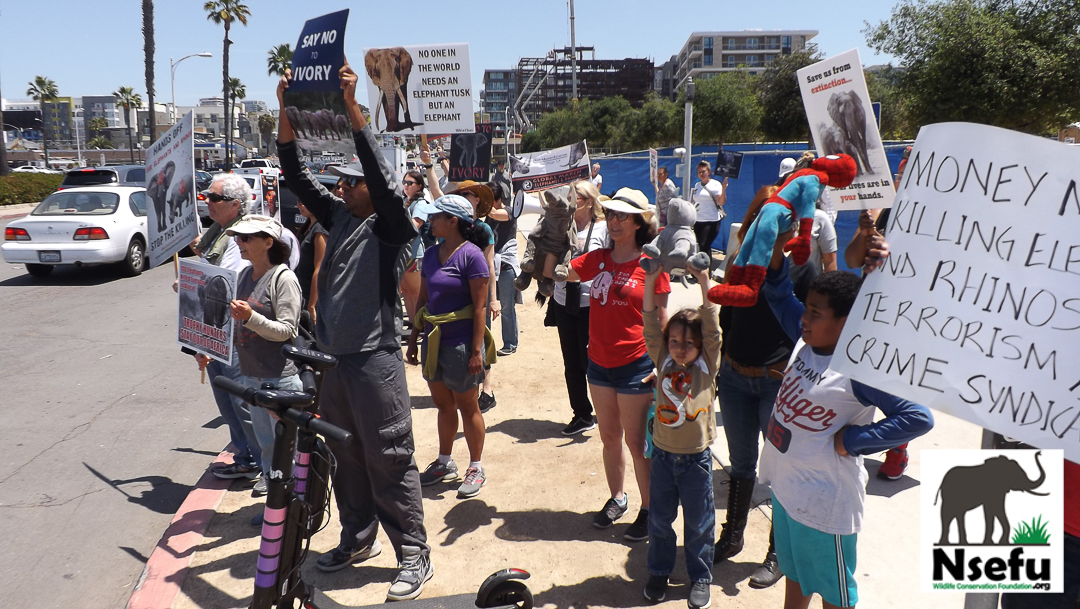
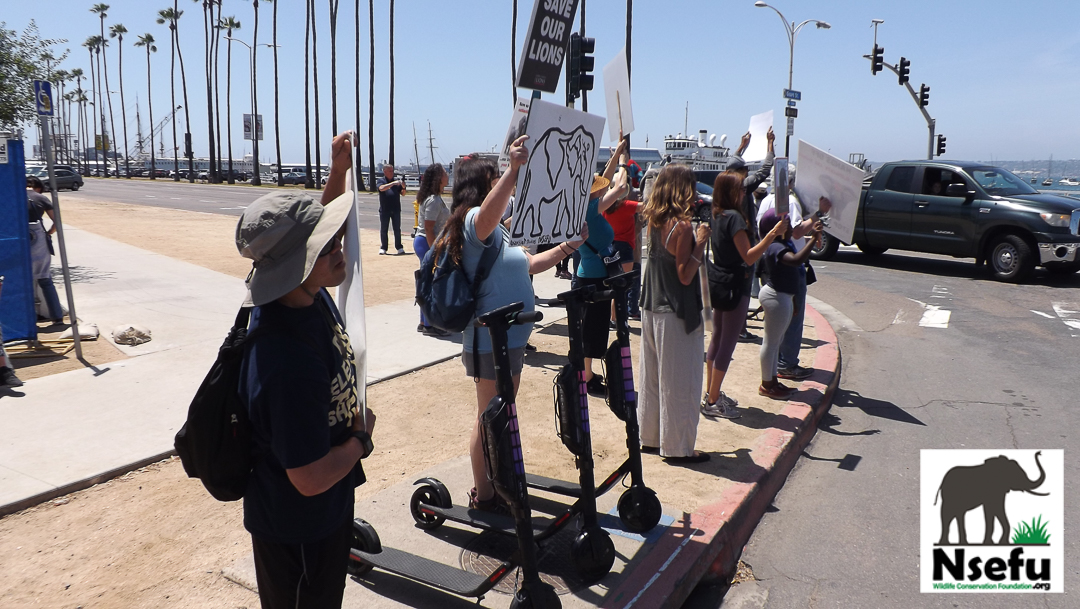
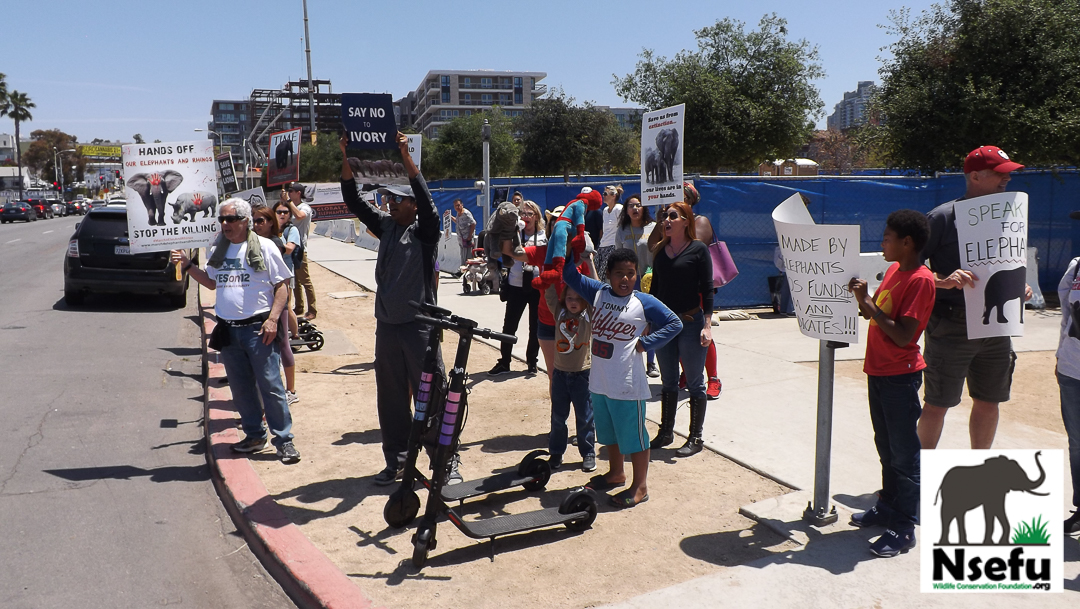
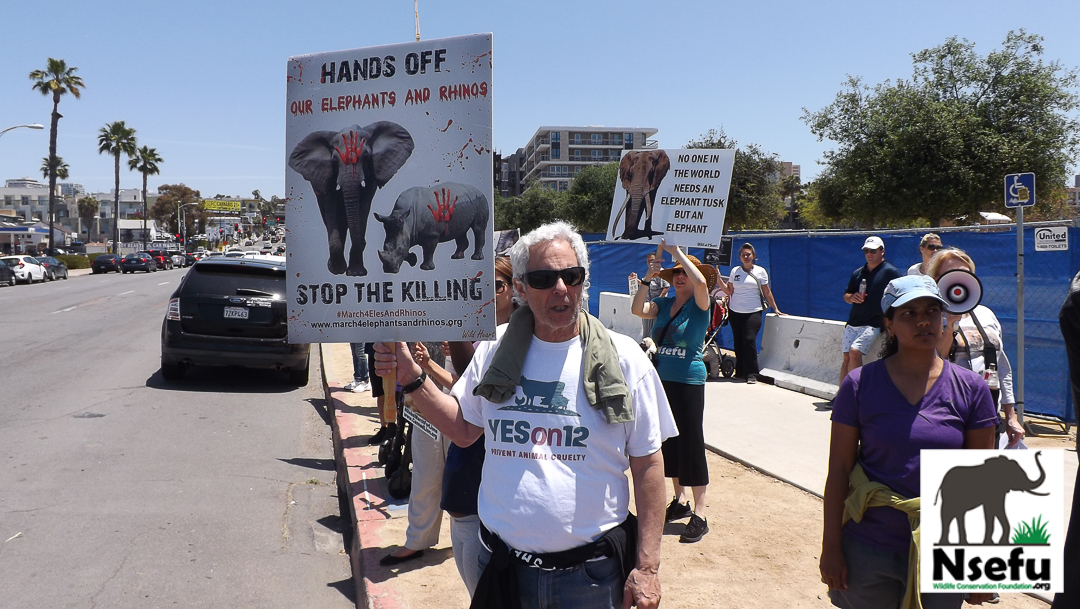
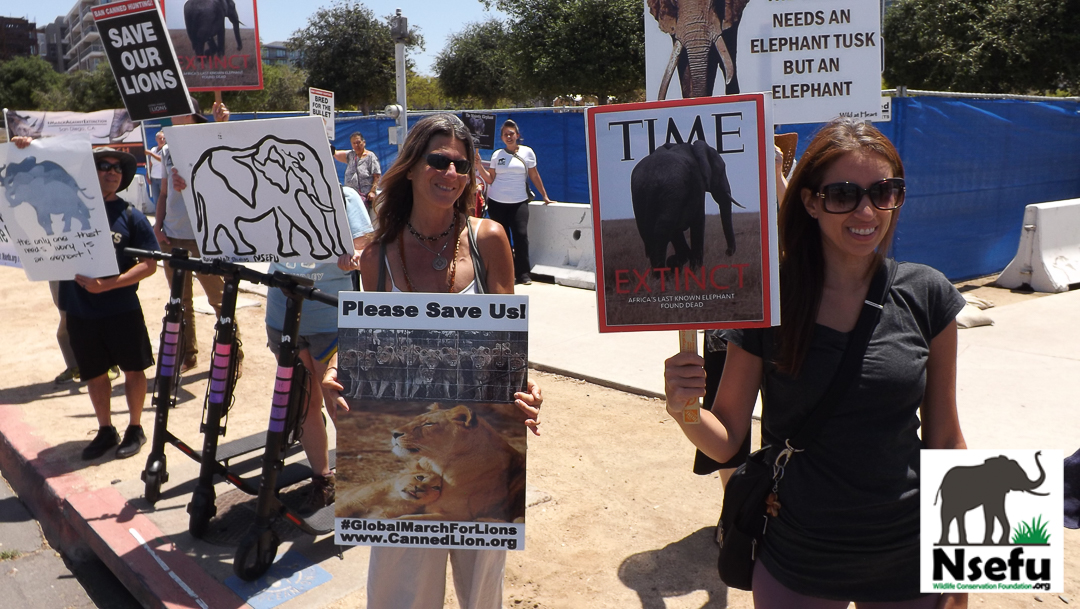
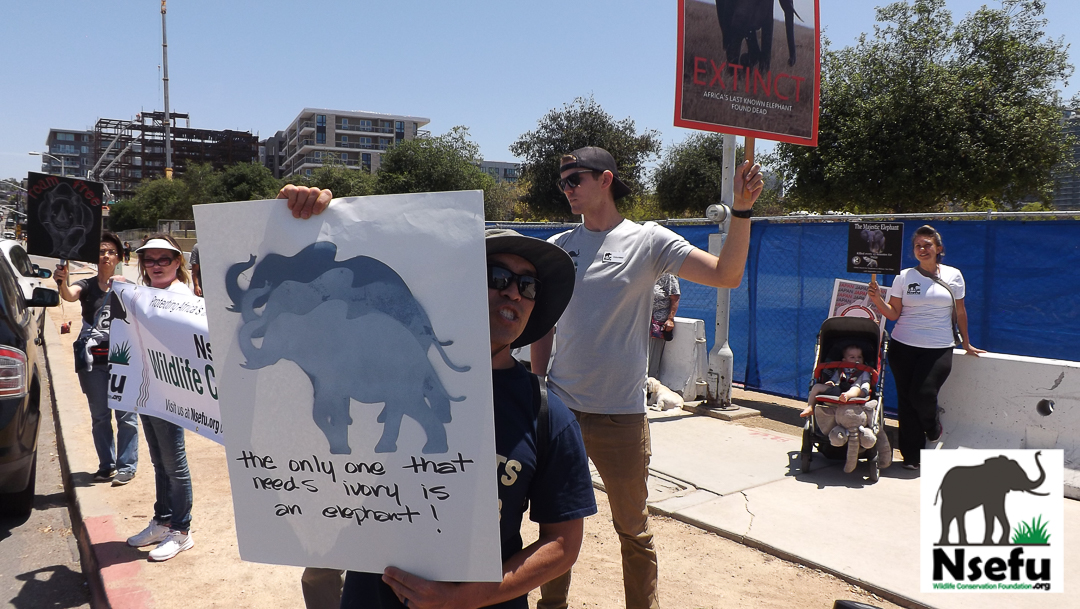
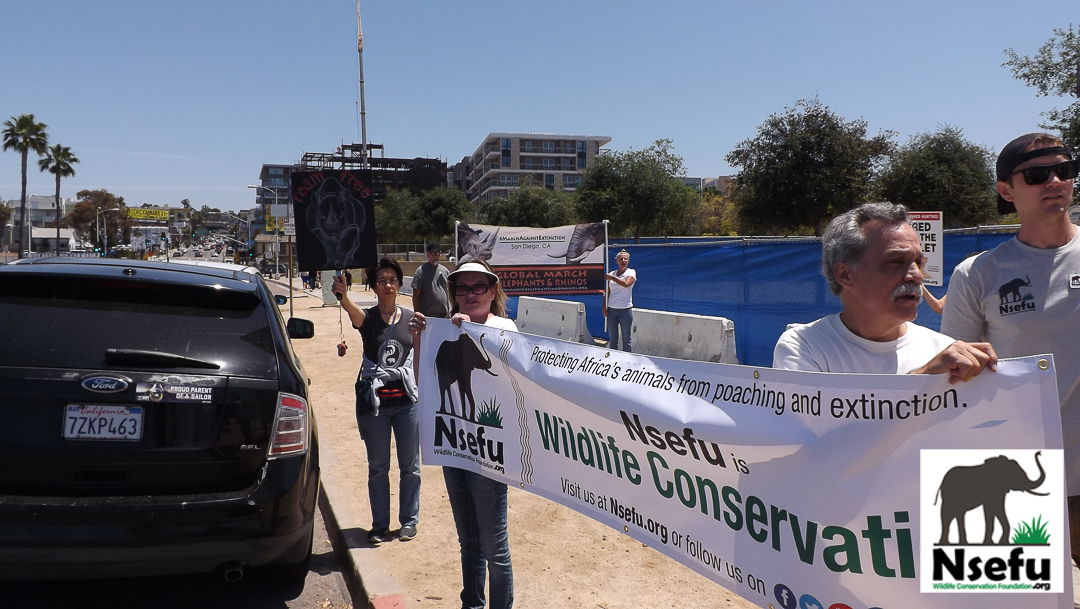
The Nsefu Wildlife Conservation Foundation (Nsefu.org) joined forces with the Global March for Elephants and Rhinos with events taking place in Zambia and San Diego on Saturday, May4th. Joining us for the event in San Diego was Elephanatics, Arte for Elephants, Sea Shepherd San Diego, and Lions, Tigers and Bears. Also, the Nsefu.org team in Honolulu held a march on Friday, April 26th.
A message from The Global March for Elephants and Rhinos…
“We’re building a movement on behalf of Earth’s last wild elephants and rhinos. Our signature event is the global march, when people around the world unite with one voice to raise awareness, generate global media attention on the crisis, and demand governments take action to stop the poaching of elephants and rhinos and protect our endangered wildlife.”
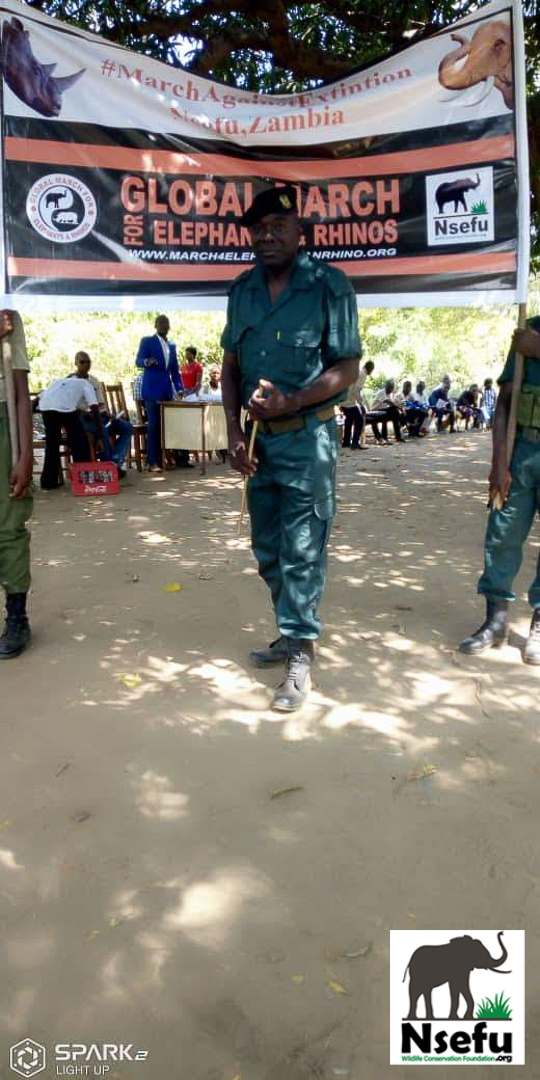
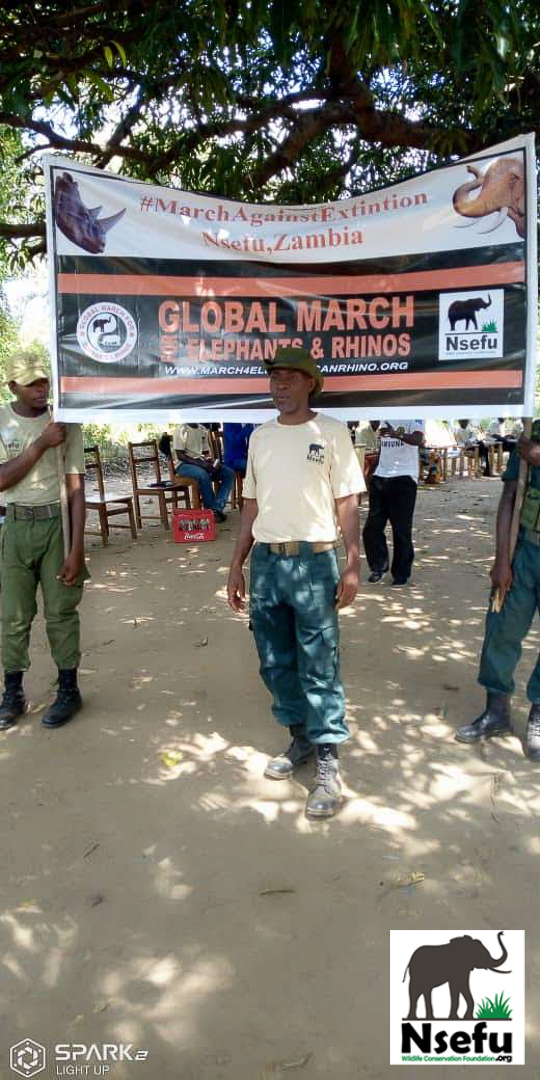
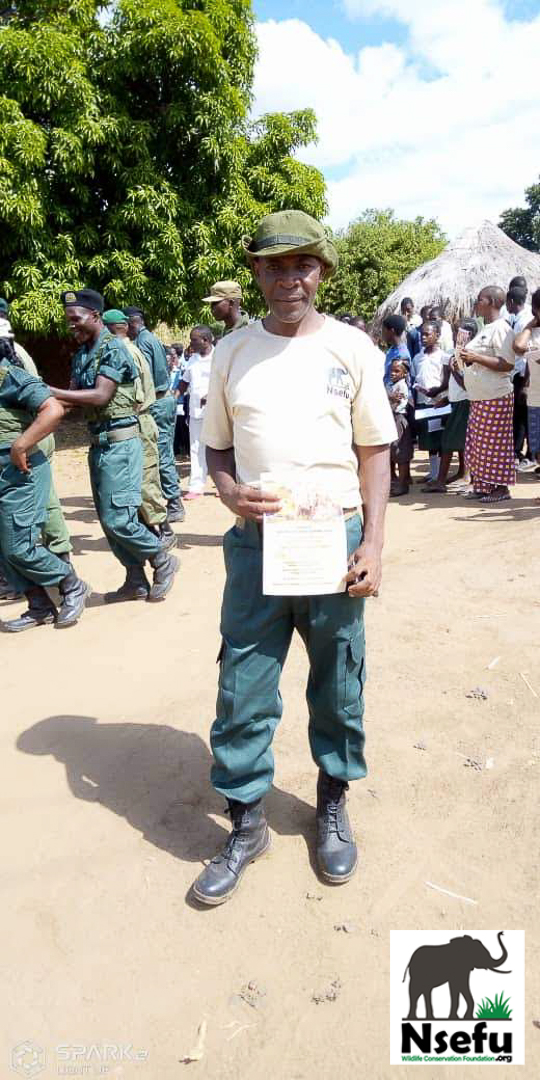
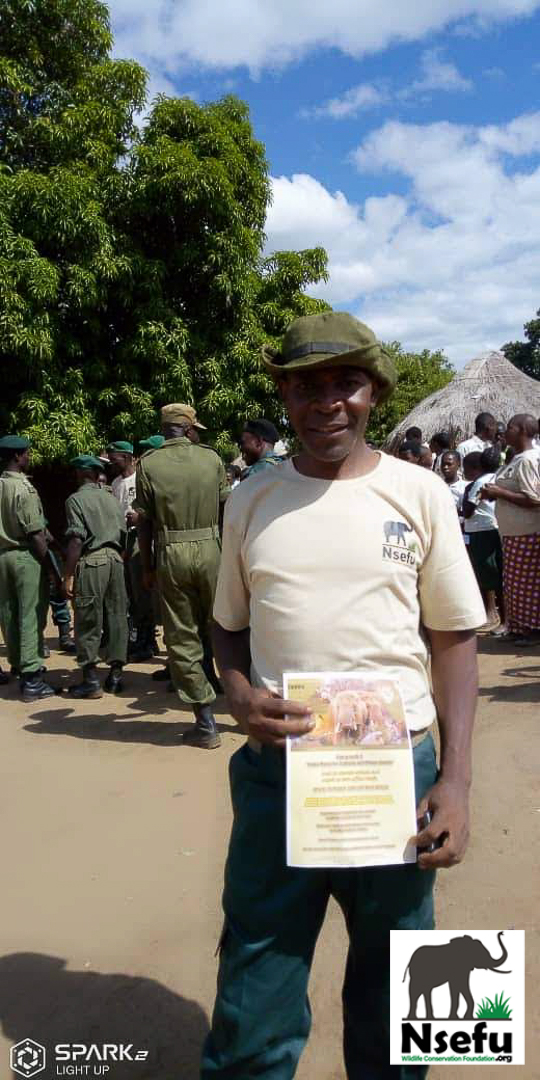
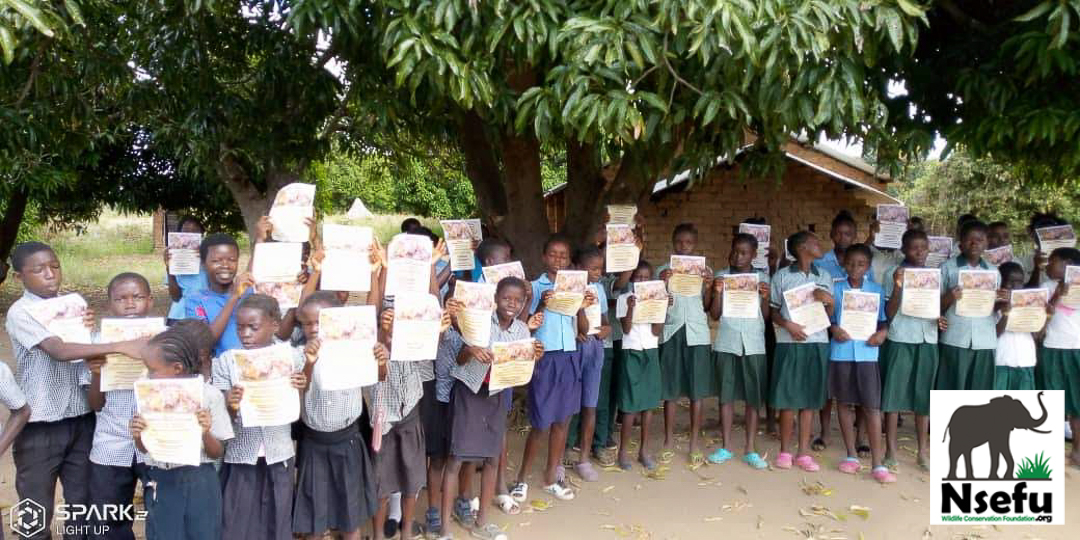
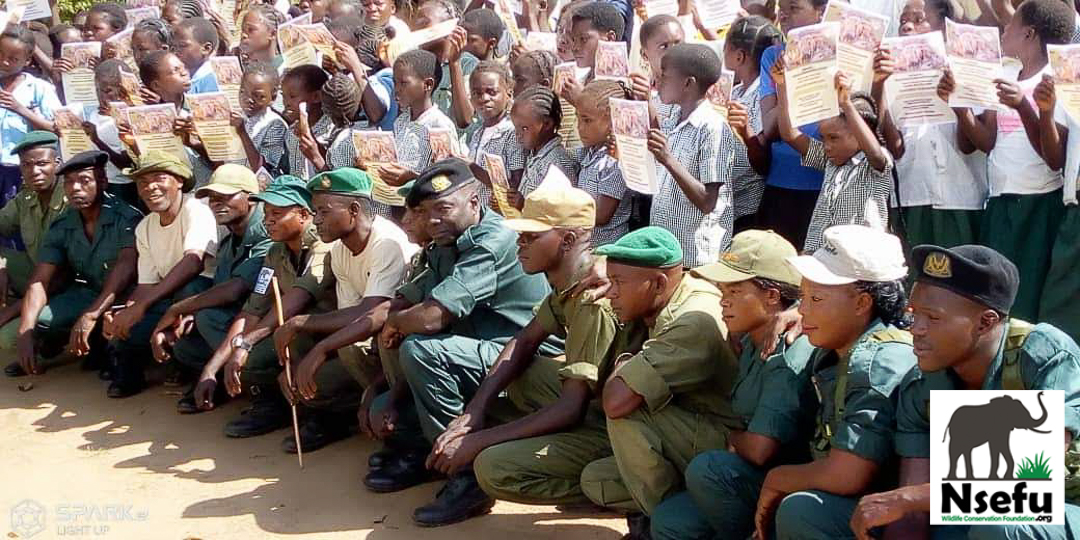
The Zambian Global March for Elephants & Rhinos


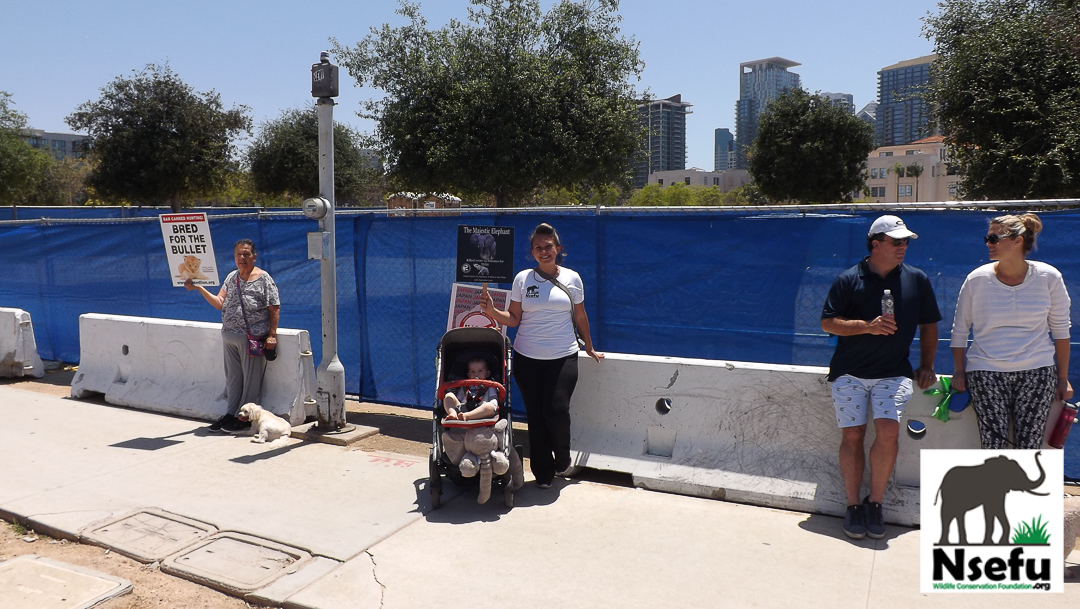
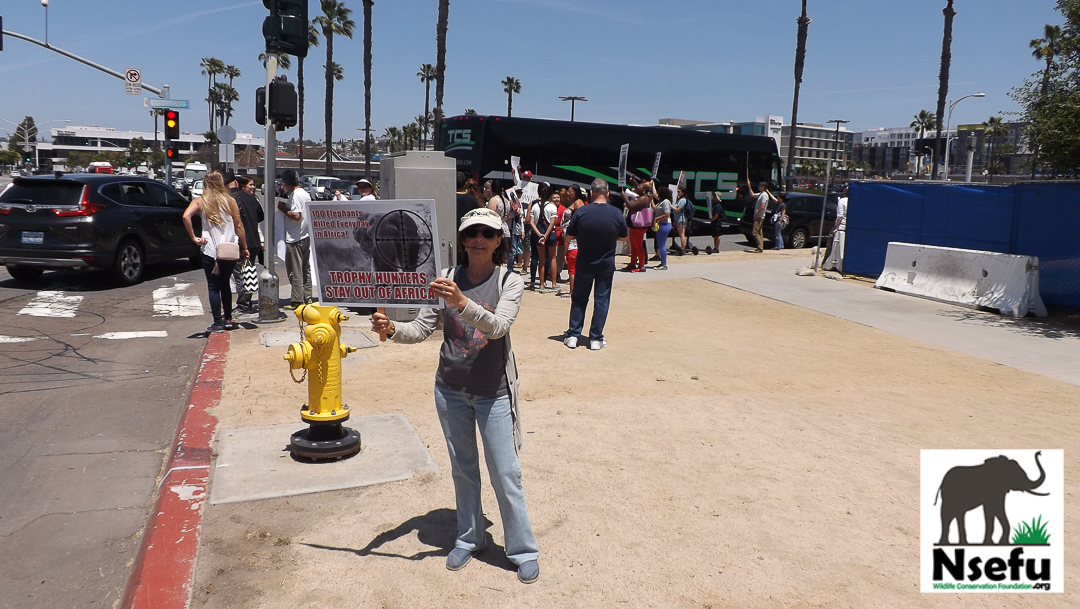
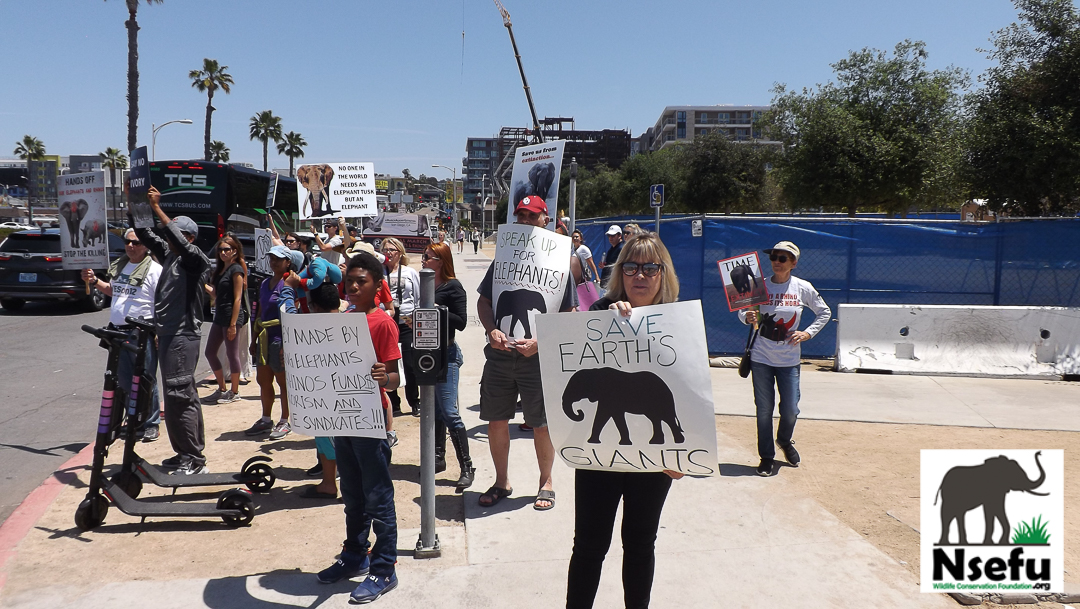
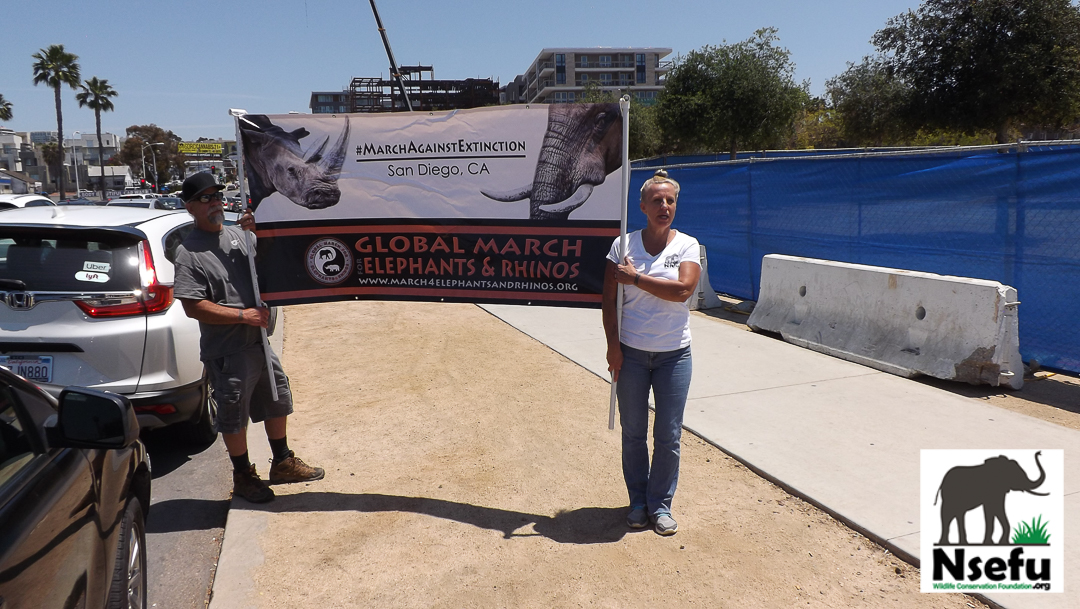
The Global March for Elephants & Rhinos in San Diego






What young Zambians have to say about making farming more attractive
Agriculture is best suited to provide a great many jobs…
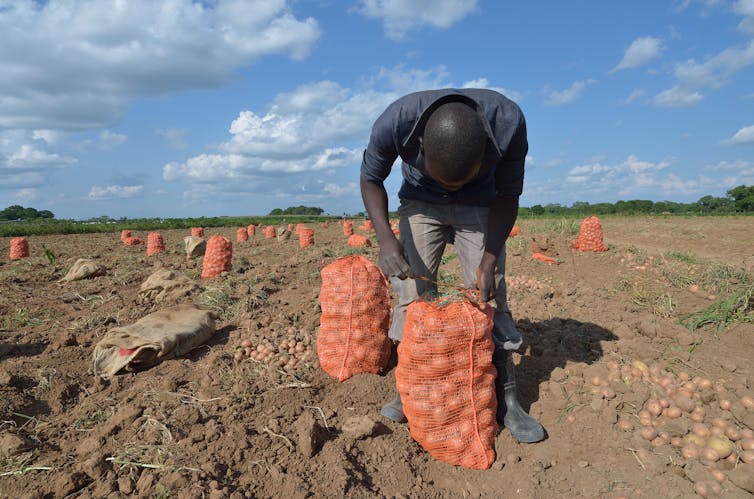
Africa has the youngest population of any continent – 60% are under age 25. While this has evoked both hope and fear, it is clear that jobs are needed for the 12 million people entering the workforce every year.
Agriculture is best suited to provide a great many jobs as it can absorb much labour, and because prospering farms trigger employment opportunities in the rest of the economy. But agriculture is often unattractive for the youth.
To lure young people into farming, policymakers and development actors emphasise the need for modern technology, including agricultural mechanisation. But surprisingly little is known about the opinion of young people in rural areas. Few have asked them what farming and rural areas need to look like to be more attractive.
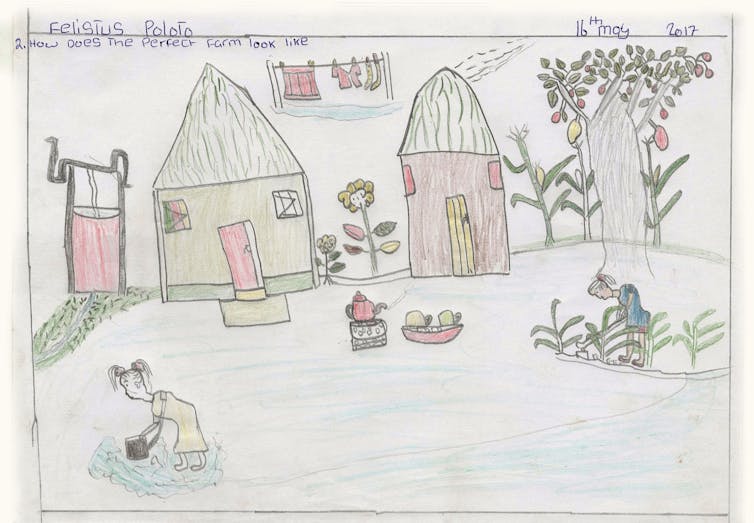
I conducted a study in Zambia and asked people in rural areas aged between 12 and 20 what would make farming attractive for them. I used two research methods to explore their aspirations and perceptions: interviews as well as drawing exercises.
The results show that young people find more positive aspects in agriculture than often assumed and that the attractiveness of farming doesn’t only hinge on modern technologies. While some technologies are needed, having diverse and sustainable farms, a healthy environment and an attractive rural life is equally important.
The findings
Most of the people interviewed for the study were proud of the fact that they came from farming families that owned land and worked close to the nature. Ruth (15) expanded on this and said:
We do not pay for maize, land, water and fruits such as mangoes. We have nutritious food.
The respondents also commented on the attractiveness of the rural space. Asked where they want to live in the future, rural or urban, 53% preferred rural areas, because of their freedom and social networks.
In contrast, urban life was often perceived as bad, characterised by road accidents, pollution, Satanism, thieves and drunkards. According to Talunsa (15) people are “poisoned by alcohol and fight”.
Many also found farming unattractive, citing drudgery and weather dependence as reasons. They said they would rather aim for jobs with a regular salary such as teachers. Lozi (16) said:
I want to work with the government. Then I’ll get paid monthly.
Around half of the respondents preferred a future in urban areas rather than in rural areas. These respondents were “pulled” away from rural areas because they were attracted by the perceived positive sides of urban areas. But they were also “pushed” away from rural areas which they associate with a lot of challenges. These included the high labour burden and risks associated with farming. This is what some of the respondents said about these “push” factors:
In the village, we always eat the same, beans and nshima, and we need to work hard.“ (Elina, 16)
In the village, you can be bewitched over small disputes and the fields are very small. I prefer to live in town.” (Jakob, 15).
It’s important to note that the decision to reside either in a rural or urban area was rarely perceived as a lifetime decision. Respondents highlighted that one could work in town after harvest or for some years after school to save some money before returning to the village.
Some of my friends want to go to town but others want to stay. Of the ones who went, many came back after some years. (Alik, 14)
I want to raise some money in town but then I want to move back to my village. I will bring a tractor with me and cultivate a lot of land. (Raimond, 17)
Making farming attractive
So what does farming need to look like to be attractive?
The young people provided some direction on what they thought would make rural spaces more attractive.
The most important factors were:
Modern technologies such as tractors and digital tools. But these shouldn’t be over emphasised. Low-tech solutions shouldn’t be neglected.
Non-material factors. Making agriculture attractive requires de-risking agriculture and promoting sustainable and diverse farms. These were clearly depicted in the drawings I’d asked the respondents to sketch of their ideal farm. The drawings typically showed highly diverse farms with trees, vegetables, fruits and animals.
Ensure healthy landscapes. Having a sustainable, pollution free environment was commonly mentioned as a key advantage of rural over urban life.
Rural areas must be developed in ways that go beyond just infrastructure. Social life and networks, which are still an asset in villages compared to cities, were also cited as important. This included networks of neighbours, relatives and friend and the communal celebration of traditions.
What next
Policymakers often highlight the need for modern technologies – including information, communication and technology – when discussing rural development.
But the young respondents I spoke to emphasised more low-tech solutions such as increasing farm diversity, having water wells and using draught animals, which is already an advantage over manual labour.
This suggests that policymakers and development practitioners need to pay more attention to the actual aspirations of young people in rural areas to avoid well-intended but misguided policies. In addition, the findings suggest that there is a need for several policies to reflect several types of young people in rural areas.
Thomas Daum, Agricultural Economist, University of Hohenheim
This article is republished from The Conversation under a Creative Commons license. Read the original article.
Trophy hunter slaughters second rare large-tusked elephant in Zimbabwe
Same man reportedly killed record-breaking elephant ‘in its prime’ in 2015
Same man reportedly killed record-breaking elephant ‘in its prime’ in 2015

The elephant was shot dead in the Gonarezhou Safari area of Zimbabwe ( JWK Safaris/Facebook )
A trophy hunter has reportedly shot dead a rare large-tusked elephant in Zimbabwe, four years after killing the largest elephant hunted in Africa in three decades.
Photographs of the huge elephant show it on its side on the ground after it was killed in Gonarezhou National Park.
The hunt was apparently organized by JWK Safaris who posted the image to their Facebook page. In the photos two men can be seen with their faces blurred.
The post, which was subsequently deleted, appeared to name a “professional hunter” as the man who killed the elephant.
The post reads: “Morning Hunters. Here are two photos of a trophy elephant bull that was hunted yesterday in the Gonarezhou Safari areas of Zimbabwe.”
“These tusks have not been weighed yet.”
“This is an exceptional Gonarezhou trophy bull with long, thick and symmetrical tusks that are typical of the Gonarezhou and Kruger gene.”
According to AfricaGeographic.com the hunter is the same person who shot dead a bull elephant in 2015 estimated to be the largest killed since 1986.
JOIN US ON MAY 4TH FOR THE GLOBAL MARCH FOR ELEPHANTS & RHINOS.
At the time, the hunters reportedly claimed the hunt was ethical as the elephant was past his breeding years. However, elephant experts later said the bull was 35-40 years old and was of prime breeding age.
There is concern regarding the loss of the genes that such a large tusker carries.
Elephants are now believed to be growing smaller tusks because poaching and hunting has removed so many big-tusked elephants from the gene pool, the National Geographic said in 2015.
The elephants apparently targeted by JWK Safaris roam between national parks and the adjacent hunting areas, the organisation says on their website: “All of the Zimbabwean hunting concessions that JWK Safaris have on offer are open to the adjoined National Parks that serve as feeder parks to the hunting areas.”
The website adds: “These are serious hunter hunts in big game country. We book on average 60 big game hunters a year in Zimbabwe and have done so for some years now.”
JWK Safaris have been contacted for comment.