CONSERVATION NEWS
Roots of Africa Press Statement over the killing of two Rhinos by a Truck
Nsefu Wildlife stands with Roots for Africa, calling for action to protect our precious wildlife in Zambia.

The Press Statement from Roots of Africa Foundation Ltd. over the killing of two Rhinos by a Truck
Arising from the killing of the 2 Rhinos in the Mosi oa Tunya National Park, here is our press statementas Roots Africa Foundation and Green Initiative Zambia, operating under the auspices Global Wildlife Warriors.
Mosi oa Tunya NP location in the Southern Province is a home of the first Rhino breeding project in Zambia.
The location of the Nation Park next to the Mosi oa Tunya falls makes it an ideal habitat, offering more secure place for these extinct species in Zambia. The Park boasts of a diverse wildlife species and a growing population of Elephants that can be seen at times in the Livingstone tourist town of Zambia.
It is not rocket science that the high number recording of elephants and other species cannot be achieved without mentioning the regional intervention that brings Zambia, Malawi, Zimbabwe, Botswana and Namibia in a Trans frontier Wildlife projects.
READ MORE ABOUT WWF’S ACTION ON THIS MATTER.
But this wonderful conservation development has come with massive challenges and some of which is the wildlife corridor of Kazungula/Livingstone caprivi area which has put wildlife at risk because of the high way (Kazungula/Livingstone Road) posing as a death trap for many animals especially small ones and even large mammals included. About two years ago an Elephant was killed in the Road Traffic Accident along the Kanzungula-Livingstone highway. From the medial report and the senior wildlife officer who was interviewed by the TV reporter, it was confirmed that over speeding was the cause of that accident.When this RTA happened we expressed our shock and disappointment; our comment over the same then was, we could easily avoid loss of such valuable national trophies by putting in place less costly interventions such as patrol kits for wild officers and continuous lunch break workshops to continue sensitizing stakeholders, radio broadcasts among others.
The other night we lost one Rhino and the other was fatally injured which unfortunately died later.
The cause of death is RTA on the same stretch of the road. Our plea as Wildlife Warriors and its cooperating partners; Roots Africa Foundation, Green Initiative Zambia, Nsefu Wildlife Conservation Foundation and many more is still the same, to conserve wildlife all the time and by all means. We are disturbed by such killings and we ask ourselves, if large flagship mammals are killed like this in RTAs how about small mammals and those that are fully nocturnal? It's a huge indicator of what is going wrong here. We think our position is to solicit for continuous engagement with all stakeholders, more especially that benefit from the existence of these animals:- those in hospitality industry, RDA, NRF,
Arising from the killing of the 2 Rhinos in the Mosi oa Tunya National Park, here is our press statementas Roots Africa Foundation and Green Initiative Zambia, operating under the auspices Global Wildlife Warriors.
Mosi oa Tunya NP location in the Southern Province is a home of the first Rhino breeding project in Zambia.
The location of the Nation Park next to the Mosi oa Tunya falls makes it an ideal habitat, offering more secure place for these extinct species in Zambia. The Park boasts of a diverse wildlife species and a growing population of Elephants that can be seen at times in the Livingstone tourist town of Zambia.
It is not rocket science that the high number recording of elephants and other species cannot be achieved without mentioning the regional intervention that brings Zambia, Malawi, Zimbabwe, Botswana and Namibia in a Trans frontier Wildlife projects.
But this wonderful conservation development has come with massive challenges and some of which is the wildlife corridor of Kazungula/Livingstone caprivi area which has put wildlife at risk because of the high way (Kazungula/Livingstone Road) posing as a death trap for many animals especially small ones and even large mammals included. About two years ago an Elephant was killed in the Road Traffic Accident along the Kanzungula-Livingstone highway. From the medial report and the senior wildlife officer who was interviewed by the TV reporter, it was confirmed that over speeding was the cause of that accident.When this RTA happened we expressed our shock and disappointment; our comment over the same then was, we could easily avoid loss of such valuable national trophies by putting in place less costly interventions such as patrol kits for wild officers and continuous lunch break workshops to continue sensitizing stakeholders, radio broadcasts among others.
The other night we lost one Rhino and the other was fatally injured which unfortunately died later
The cause of death is RTA on the same stretch of the road. Our plea as Wildlife Warriors and its cooperating partners; Roots Africa Foundation, Green Initiative Zambia, Nsefu Wildlife Conservation Foundation and many more is still the same, to conserve wildlife all the time and by all means. We are disturbed by such killings and we ask ourselves, if large flagship mammals are killed like this in RTAs how about small mammals and those that are fully nocturnal? It's a huge indicator of what is going wrong here. We think our position is to solicit for continuous engagement with all stakeholders, more especially that benefit from the existence of these animals:- those in hospitality industry, RDA, NRF,
Arising from the killing of the 2 Rhinos in the Mosi oa Tunya National Park, here is our press statementas Roots Africa Foundation and Green Initiative Zambia, operating under the auspices Global Wildlife Warriors.
Mosi oa Tunya NP location in the Southern Province is a home of the first Rhino breeding project in Zambia.
The location of the Nation Park next to the Mosi oa Tunya falls makes it an ideal habitat, offering more secure place for these extinct species in Zambia. The Park boasts of a diverse wildlife species and a growing population of Elephants that can be seen at times in the Livingstone tourist town of Zambia.
It is not rocket science that the high number recording of elephants and other species cannot be achieved without mentioning the regional intervention that brings Zambia, Malawi, Zimbabwe, Botswana and Namibia in a Trans frontier Wildlife projects.
But this wonderful conservation development has come with massive challenges and some of which is the wildlife corridor of Kazungula/Livingstone caprivi area which has put wildlife at risk because of the high way (Kazungula/Livingstone Road) posing as a death trap for many animals especially small ones and even large mammals included. About two years ago an Elephant was killed in the Road Traffic Accident along the Kanzungula-Livingstone highway. From the medial report and the senior wildlife officer who was interviewed by the TV reporter, it was confirmed that over speeding was the cause of that accident.When this RTA happened we expressed our shock and disappointment; our comment over the same then was, we could easily avoid loss of such valuable national trophies by putting in place less costly interventions such as patrol kits for wild officers and continuous lunch break workshops to continue sensitizing stakeholders, radio broadcasts among others.
The other night we lost one Rhino and the other was fatally injured which unfortunately died later
The cause of death is RTA on the same stretch of the road. Our plea as Wildlife Warriors and its cooperating partners; Roots Africa Foundation, Green Initiative Zambia, Nsefu Wildlife Conservation Foundation and many more is still the same, to conserve wildlife all the time and by all means. We are disturbed by such killings and we ask ourselves, if large flagship mammals are killed like this in RTAs how about small mammals and those that are fully nocturnal? It's a huge indicator of what is going wrong here. We think our position is to solicit for continuous engagement with all stakeholders, more especially that benefit from the existence of these animals:- those in hospitality industry, RDA, NRF,
More on the story from MSN News & News Diggers.
WWF Zambia appeals for installation of Speed Humps, saddened by killing of two rhinos
Nsefu Wildlife stands with WWF, calling for action to protect our precious wildlife in Zambia.

Photo Credit: taken by Martin Harvey- WWF
WWF ZAMBIA APPEALS FOR INSTALLATION OF SPEED HUMPS IN IMPORTANT ANIMAL CROSSING POINTS IN NATIONAL PARKS, SADDENED BY KILLING OF TWO RHINOS
The World Wide Fund for Nature (WWF) Zambia is deeply saddened by the news that we have lost two white rhinos in Mosi Oa Tunya National Park, Livingstone, this occurring just a week before Zambia joins the rest of the world in commemorating the World Wildlife Day (WWD) which falls on the 3rd of March. Information gathered indicates that in the night of Tuesday 25th to Wednesday 26th of February, a speeding truck hit an adult female and a male juvenile who were on the road inside Mosi-oa-Tunya National Park and sustained severe injuries. Despite efforts made by park management staff of the Department of National Parks and Wildlife (DNPW) and with assistance from the Victoria Falls Wildlife trust of Zimbabwe, the two rhinos did not survive the road accident.
READ MORE ABOUT ROOTS OF AFRICA’S ACTIONS ON THIS MATTER.
The rhinoceros is under immense pressure worldwide due to poaching for its horn and Zambia is fighting hard to protect its rhino populations. Rhino populations in Zambia were completely extirpated in the 90s, but the country has set up an ambitious reintroduction plan with a growing population of black rhino in North Luangwa National Park and an out-of-range white rhino population in Mosi-oa-Tunya National Park. In 2019, WWF supported the development and launch of the National Rhino Strategy with the objective for Zambia to be recognized as a rhino recovery state with potential to become an important rhino range state.
The loss of these 2 rhinoceroses is therefore a very disappointing development, one that could have been prevented if cautious driving was observed and speed limits were respected. Unfortunately, this is not a stand-alone event of road kills inside national parks, since other important wildlife species, such as Elephants, Lion cubs and Wild Dogs, have been found victims of road accidents as well.
WWF Zambia stands with the Department of National Parks and Wildlife and support them in the appeal of having speed humps in important animal crossing points in national parks and to increase enforcement of speed control measures. We would further urge the public to adhere to speed limits in protected areas and be aware and respectful of crossing wildlife on the roads.
Issued by:
Isabel Mukelabai| Government Relations, Strategic Partnerships and Communications Manager| WWF-Zambia Country Office| email: imukelabai@wwfzam.org
For any media queries, please contact:
The communication team on: +260 970518413
Photo Credit: taken by Martin Harvey- WWF
More on the story from MSN News & News Diggers.
Donate via GO FUND ME and help support Nsefu Wildlife Rangers
We thank our supporters Cara Gilboy and Savierno Di Senti setting up a Go Fund Me to support our conservation efforts in Zambia

Nsefu Wildlife supporters Cara Gilboy and Savierno Di Senti set up a Go Fund Me page to help support conservation efforts in Zambia.
Nsefu Wildlife's mission is to preserve and protect wildlife in Zambia while developing and supporting community programs through education and economically viable alternatives to poaching.
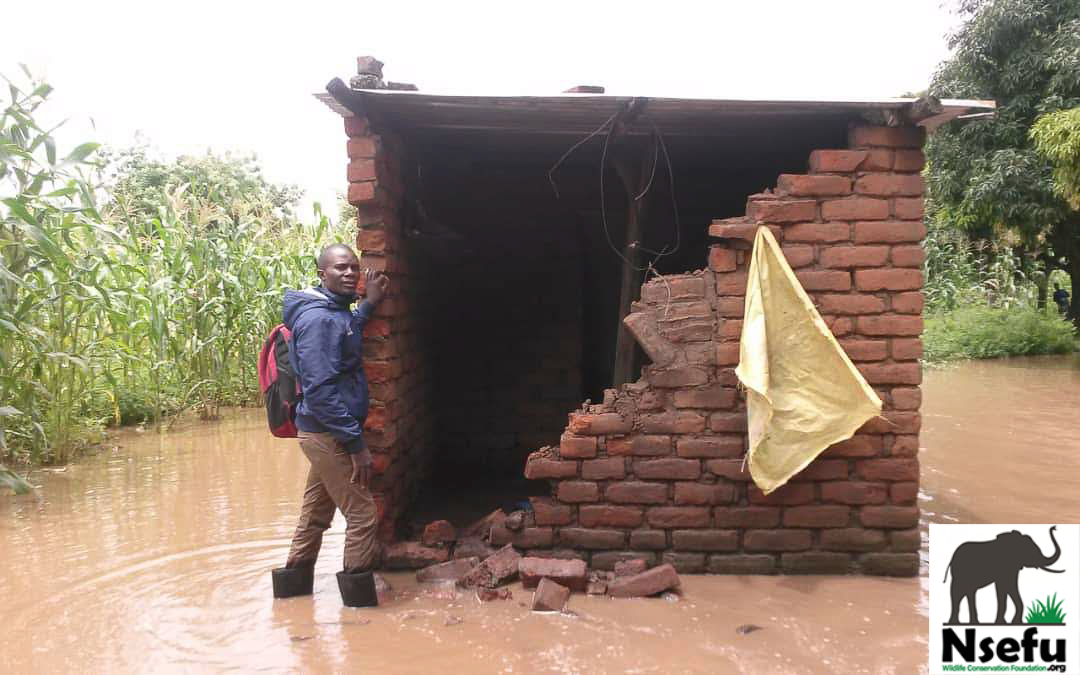
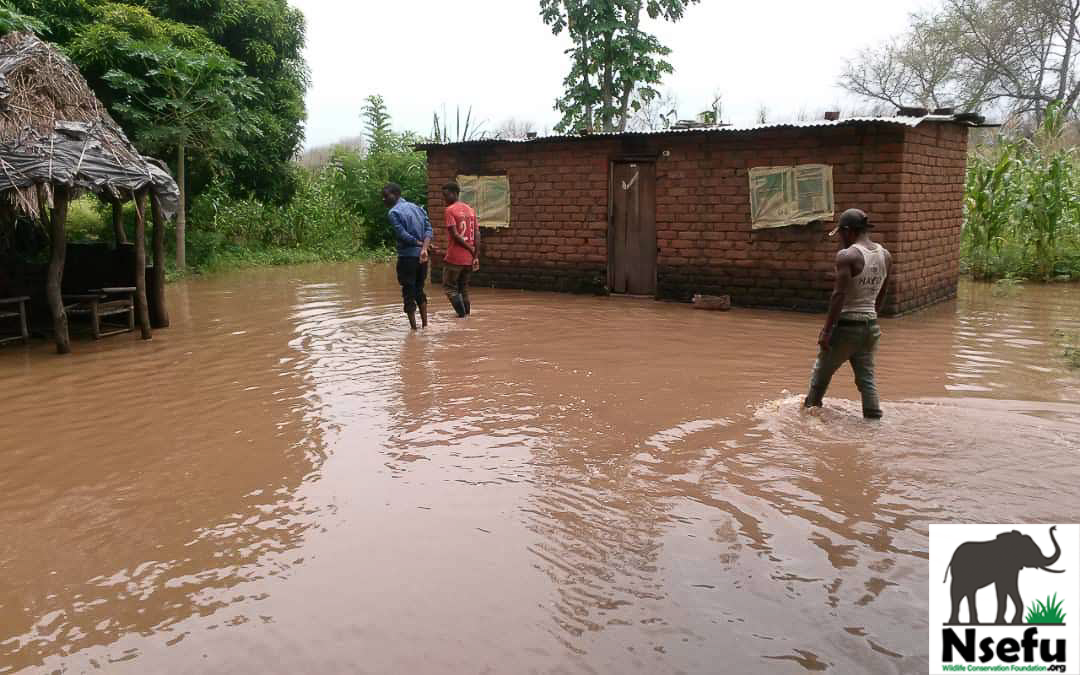
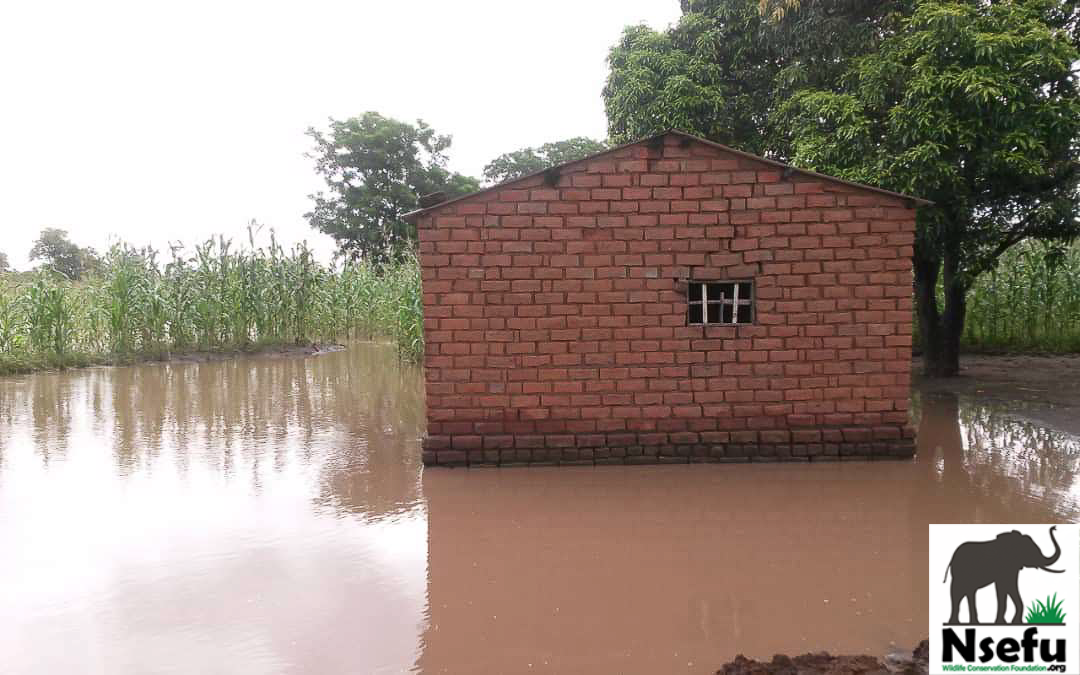
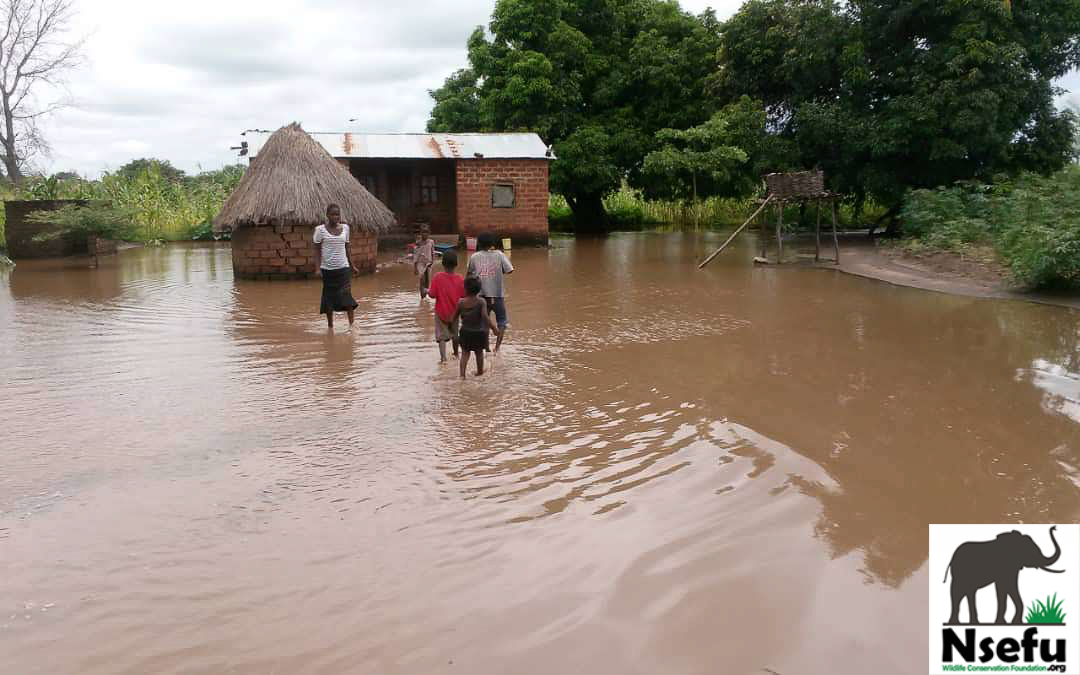
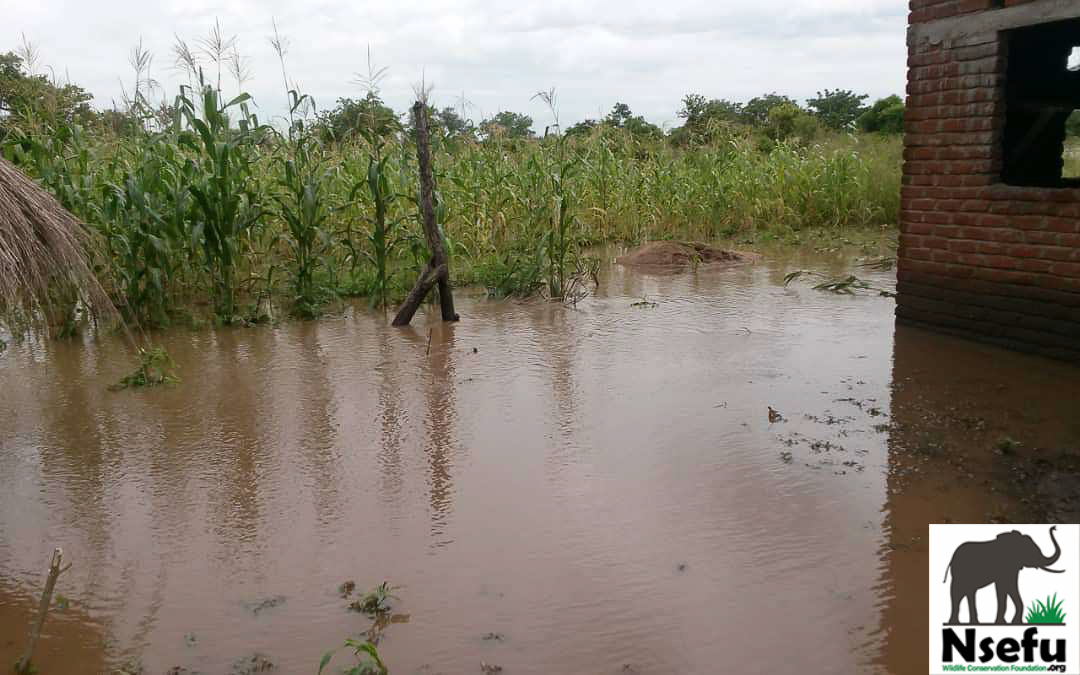
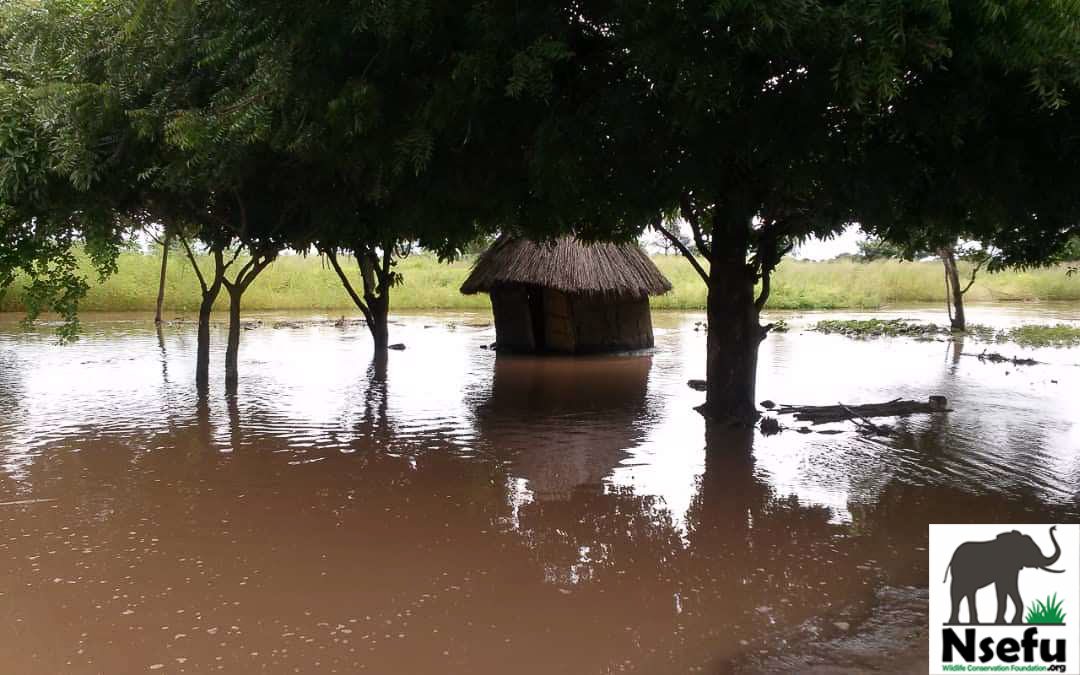
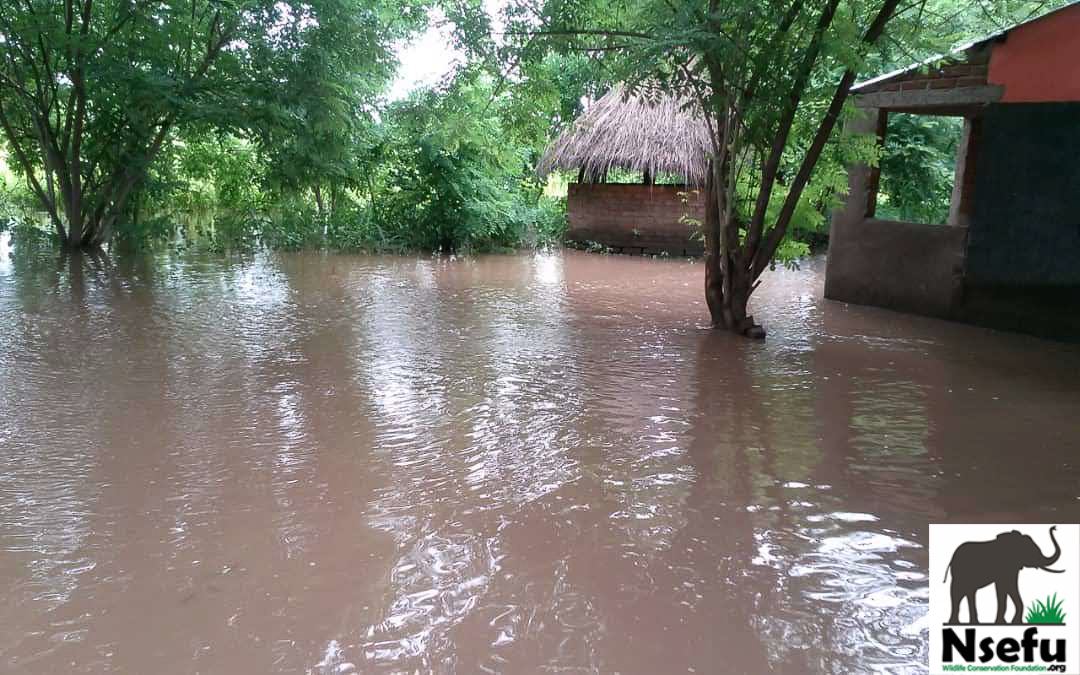
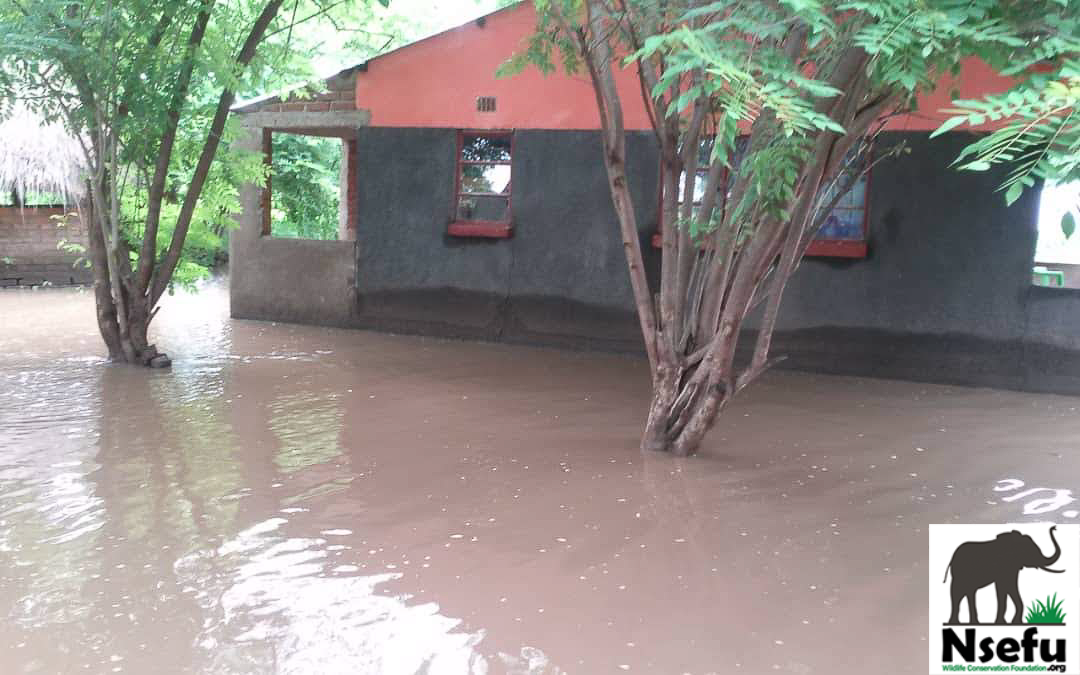
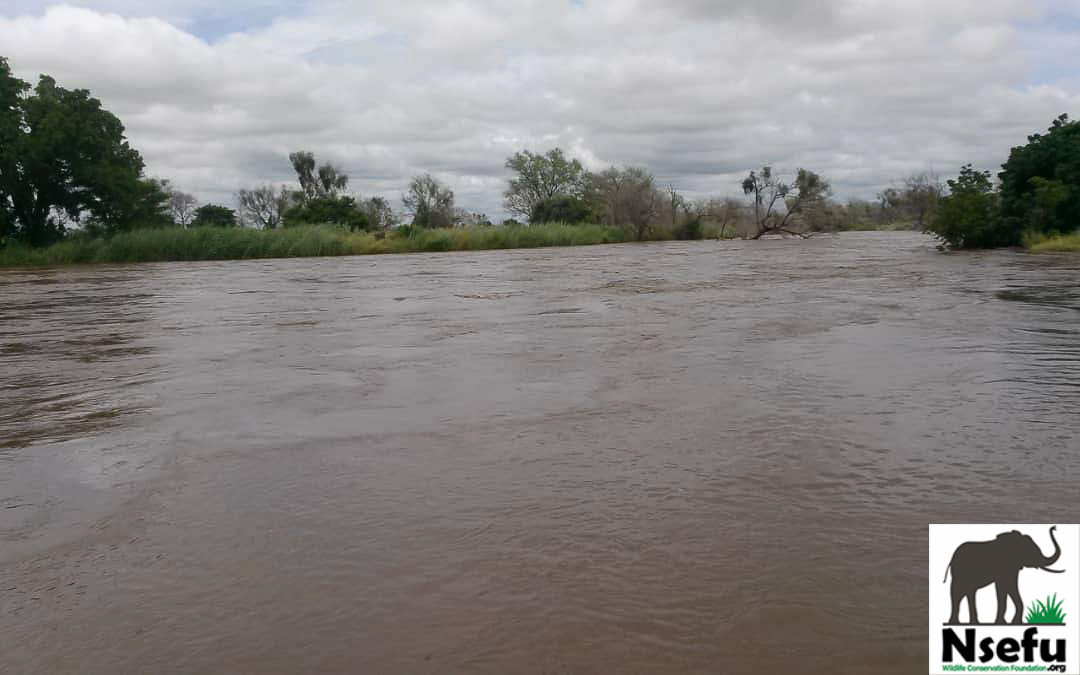
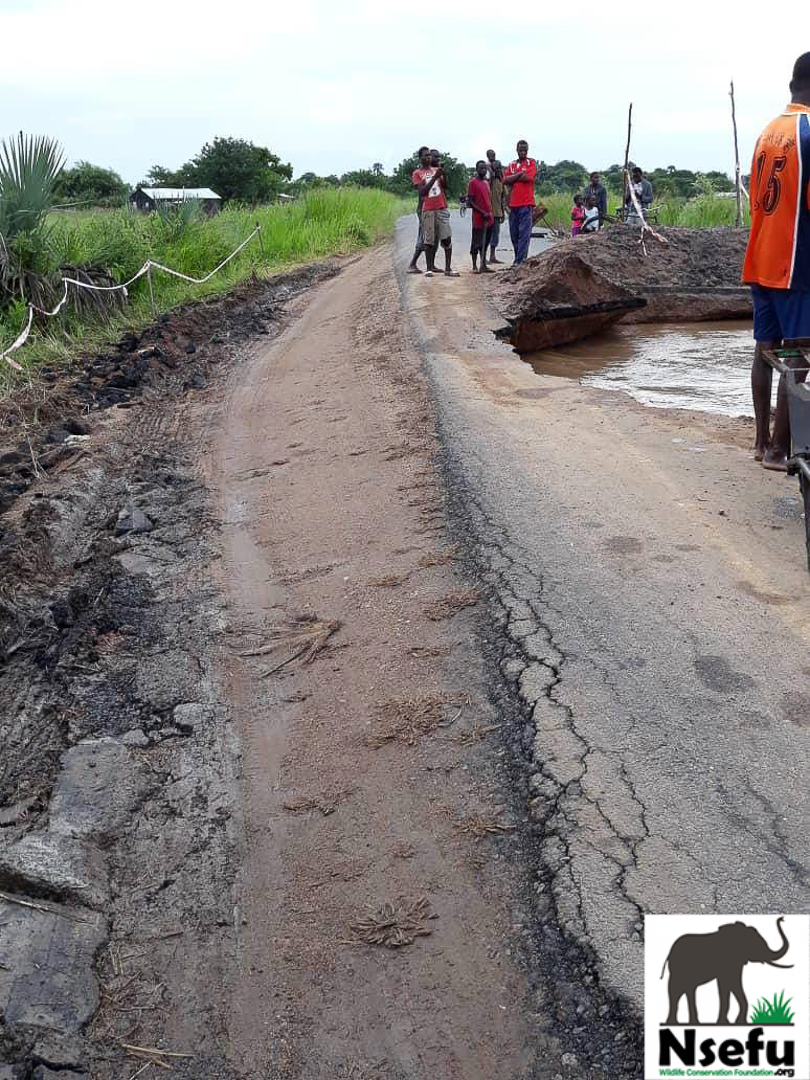
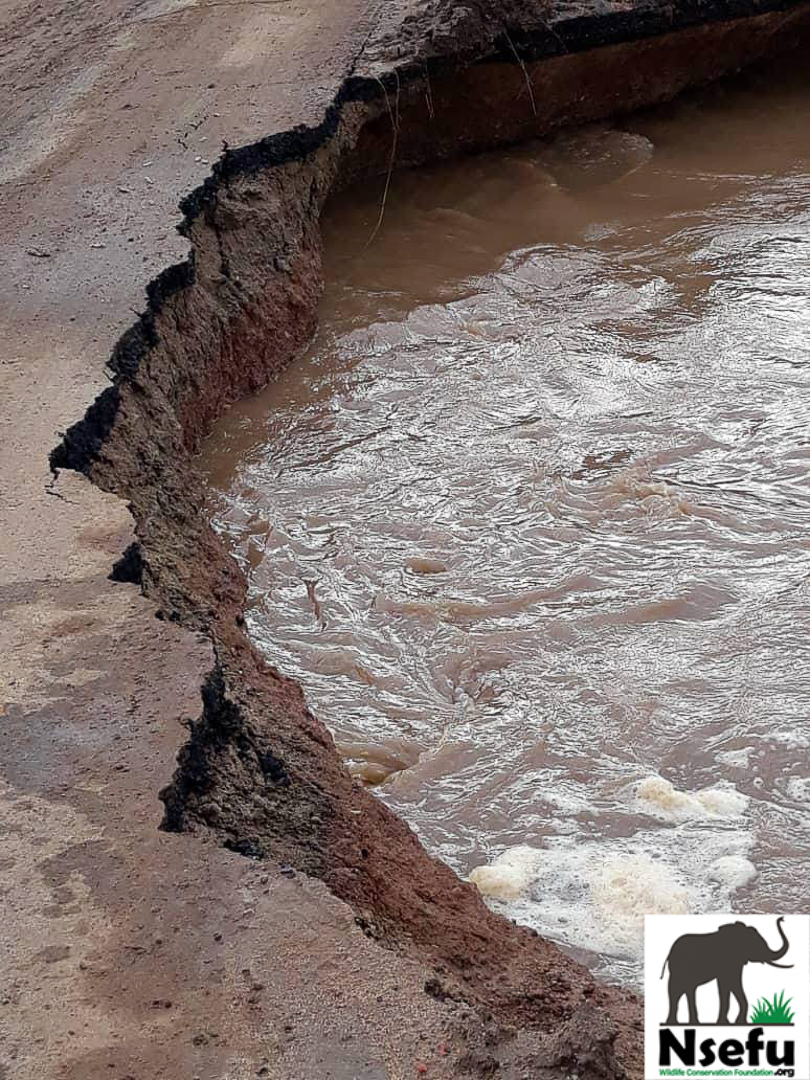
Zambia - More flooding hits the Nsefu sector!
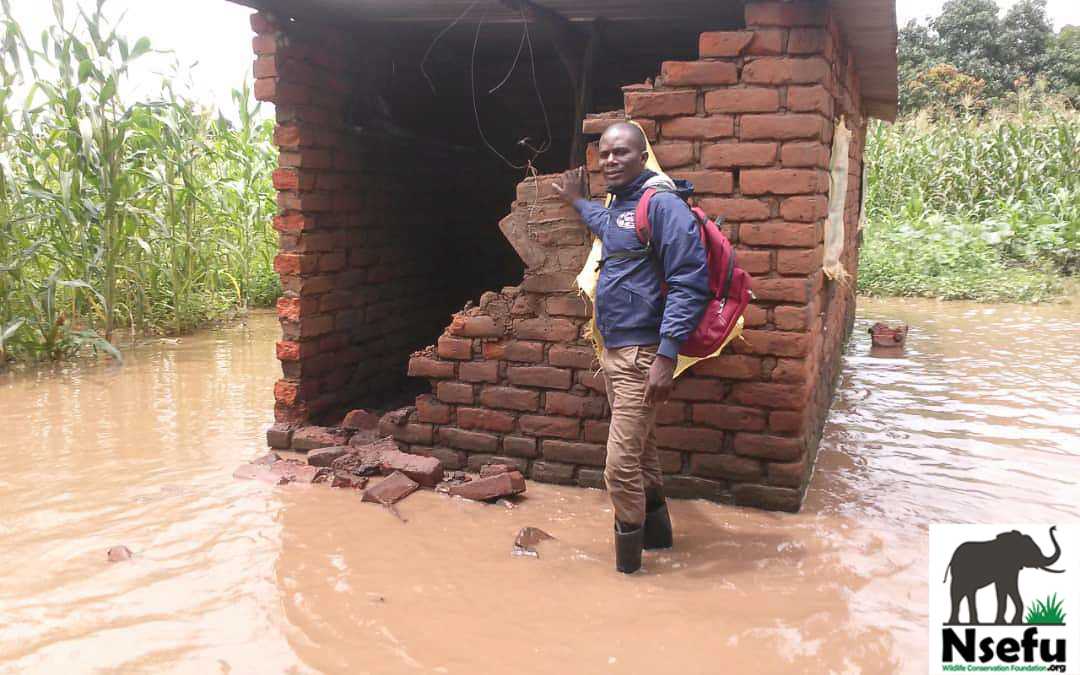
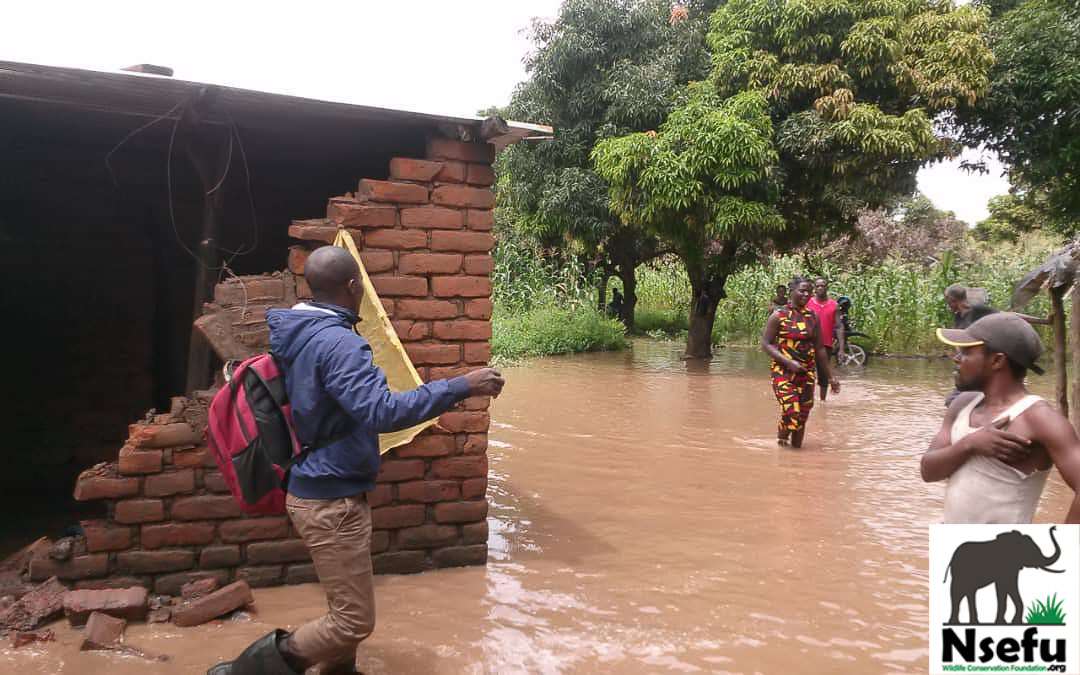
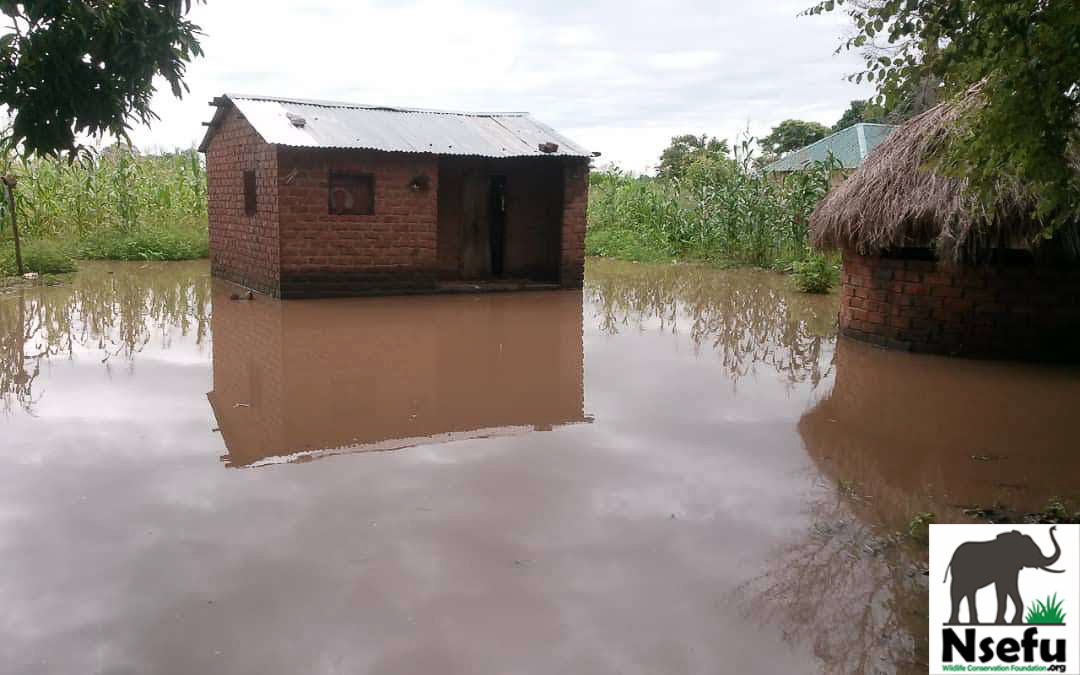
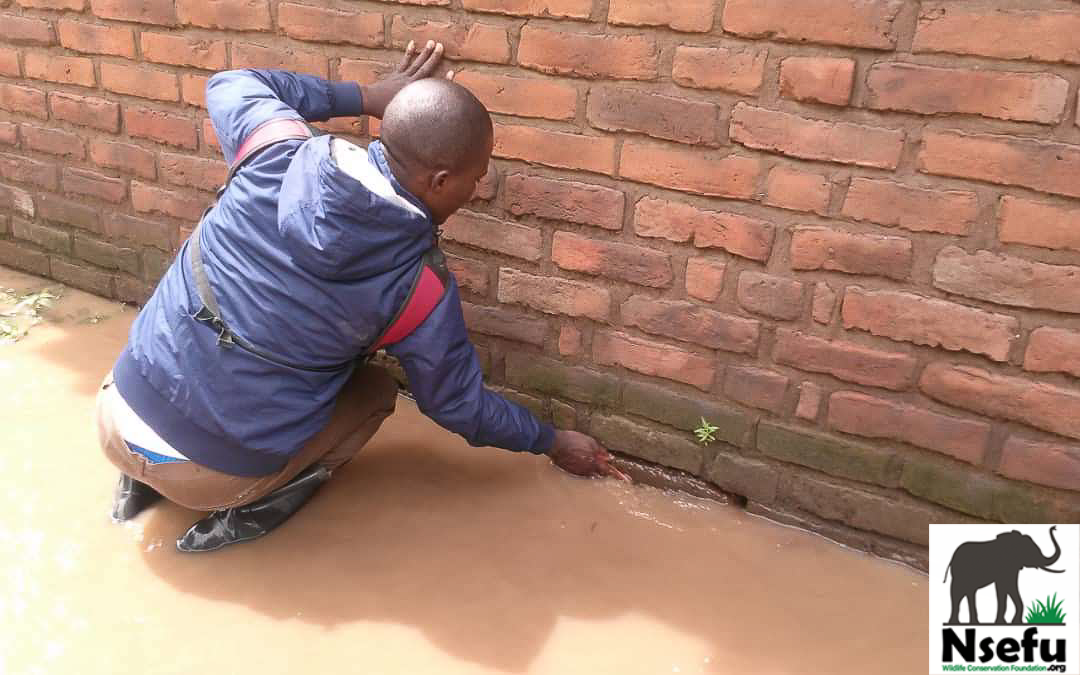
Zambia’s being hit by devastating flooding.
Steve Zulu checking out the flooding in the Nsefu sector. The flooding is even worse than before, some homes have even collapsed do to the high waters. The flooding also affects Nsefu Wildlife’s ability to conduct our conservation efforts in the region.
March to Stop the killing of 272 Botswana elephants
Let’s put an end to Trophy Hunting!
Supporters of conservation came out to Balboa Park to protest President Masisi of Botswana. He will be in Reno Nevada during this time to accept an award for "Legislator of the Year" from the Safari Club International (A trophy hunting enterprise).
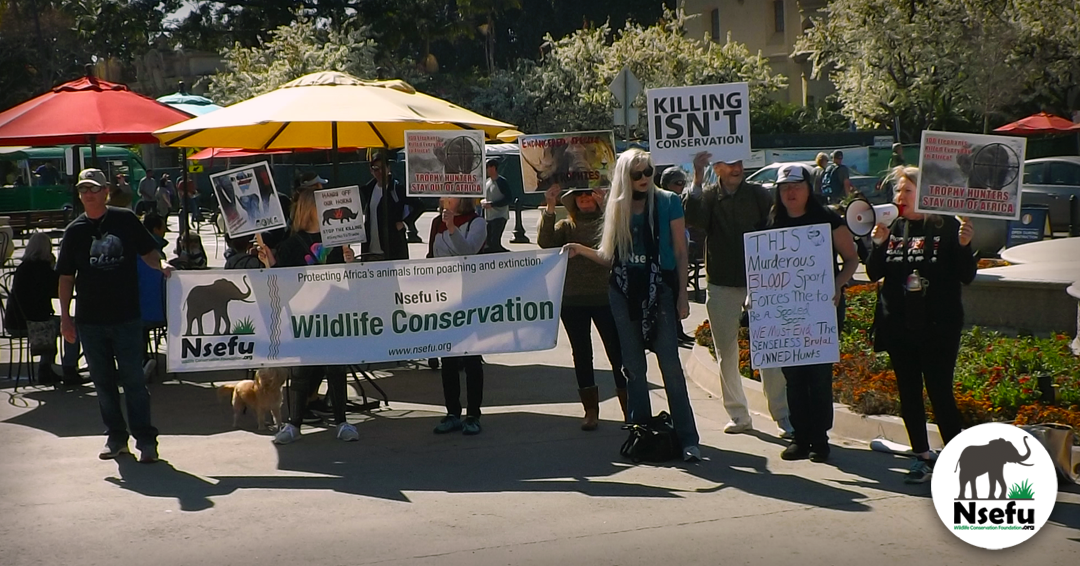
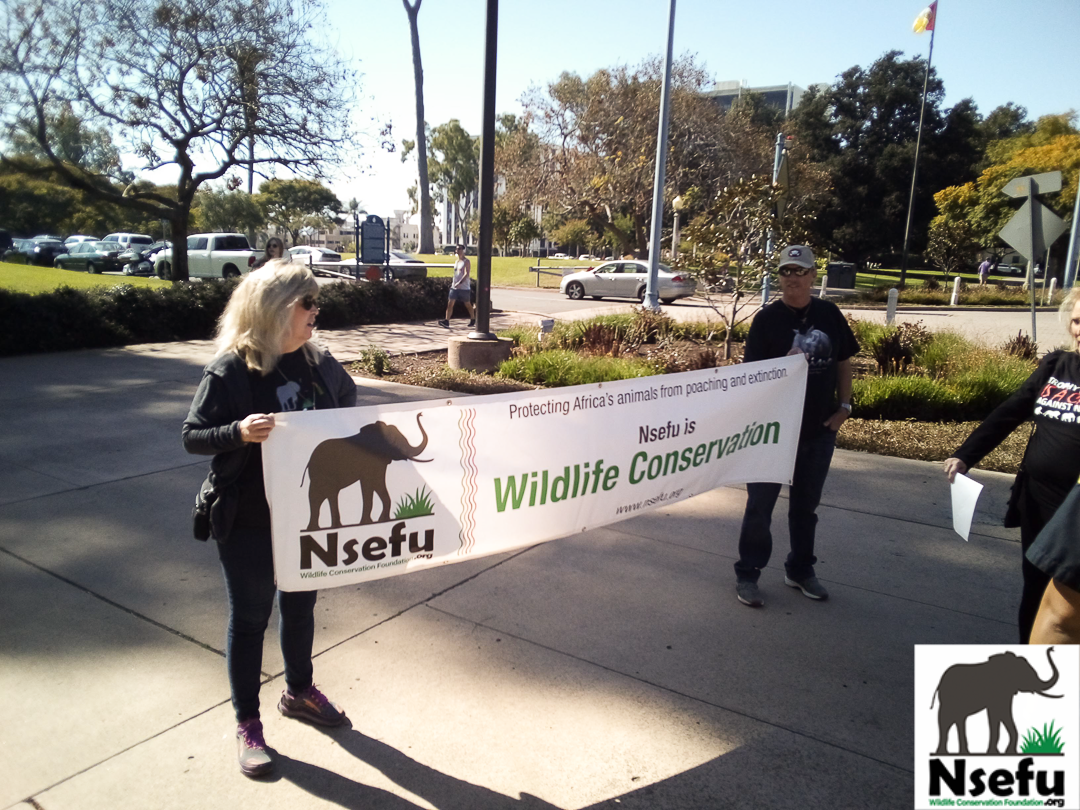
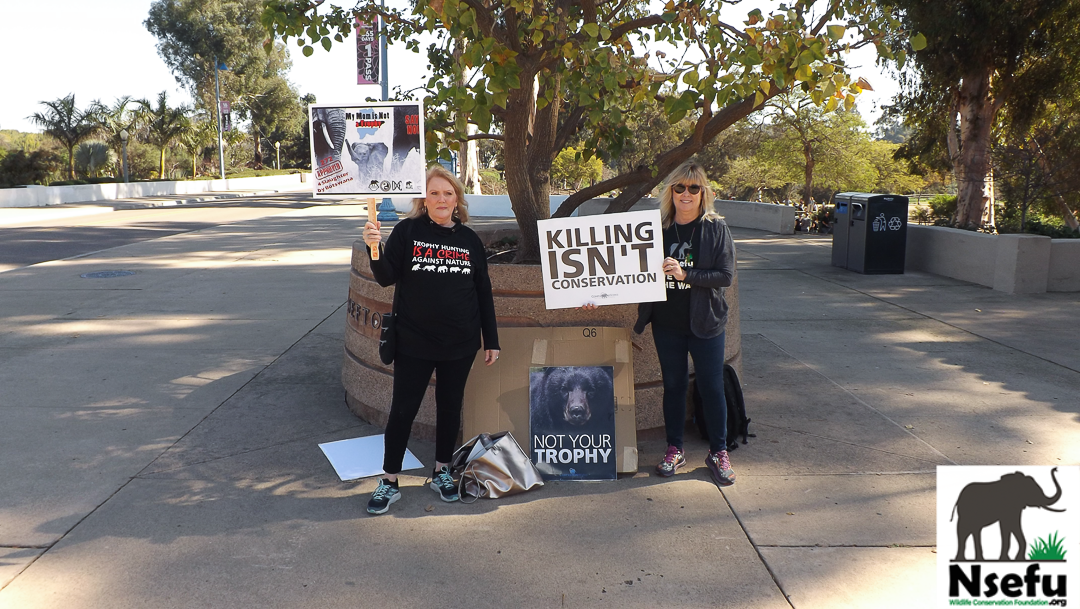
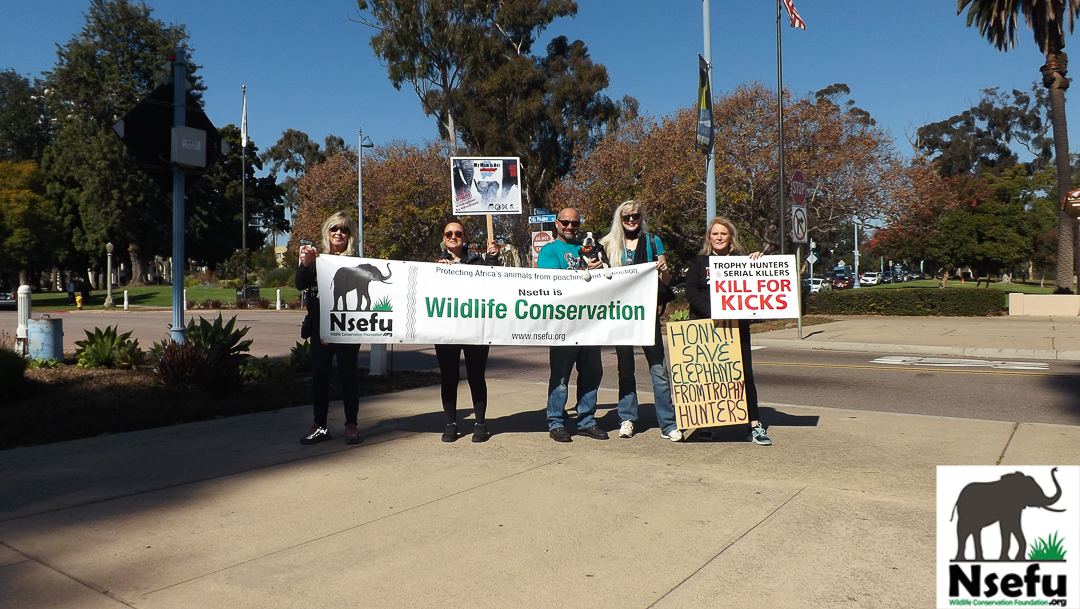
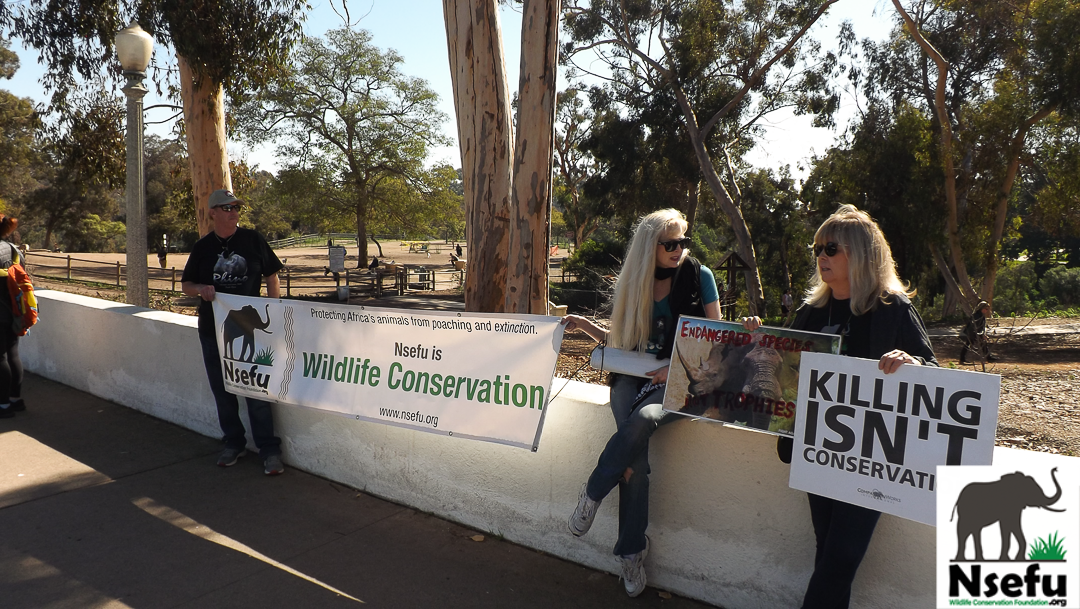
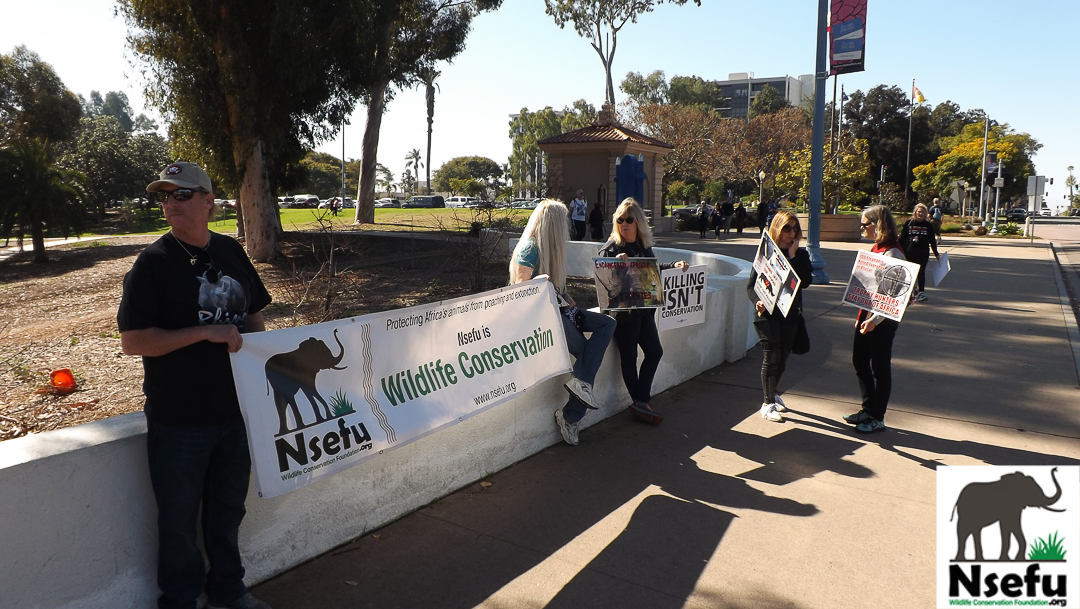
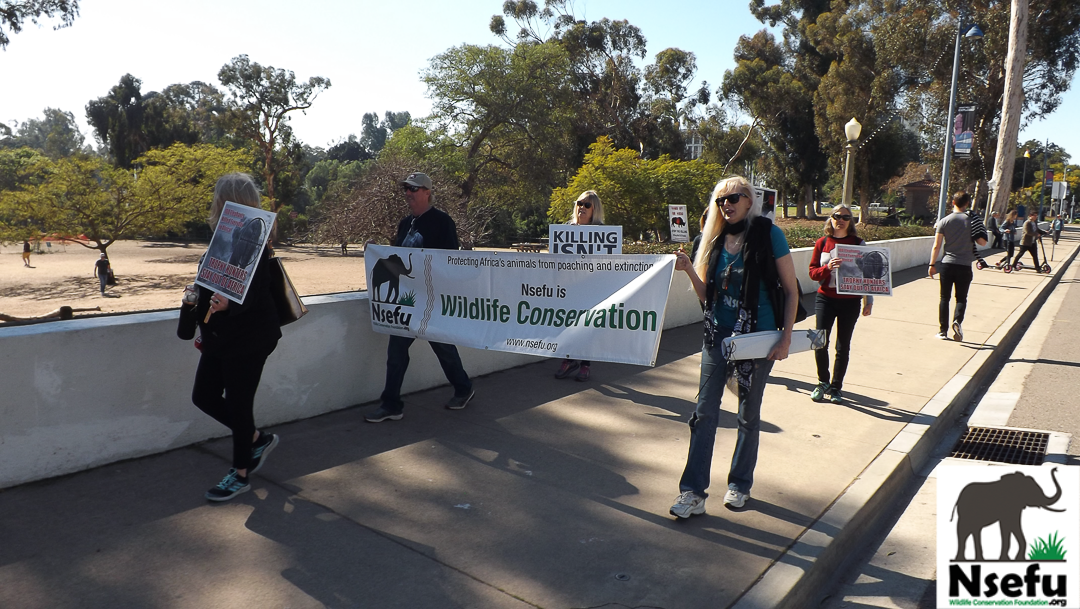
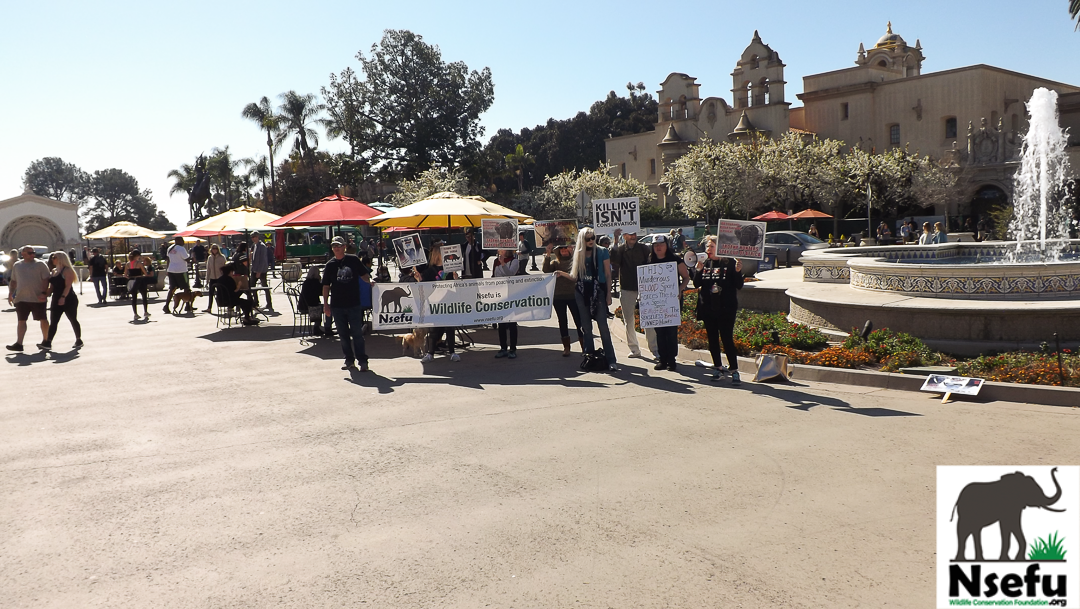
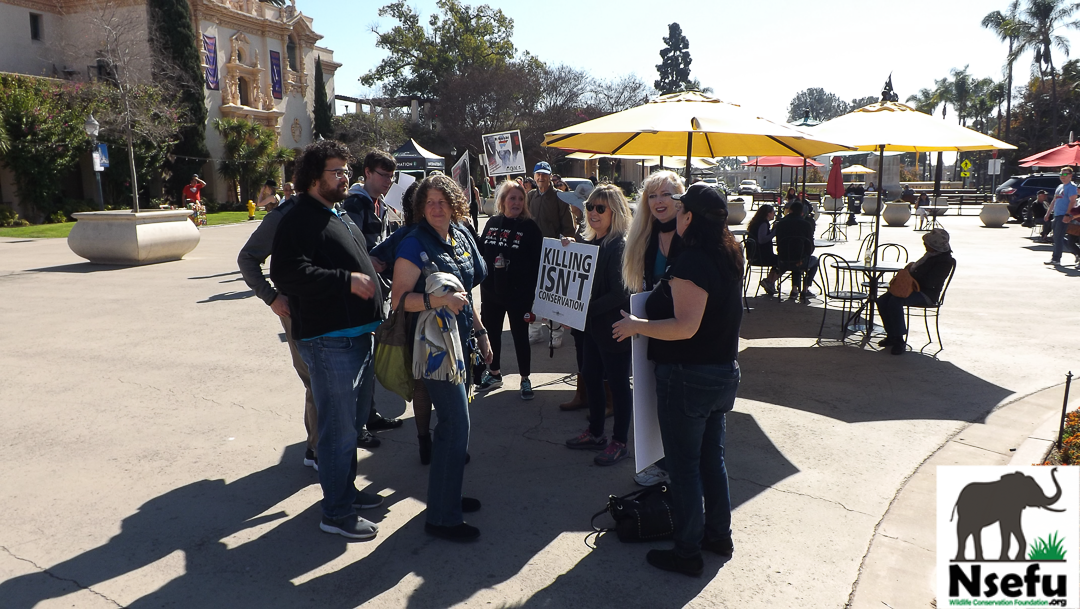
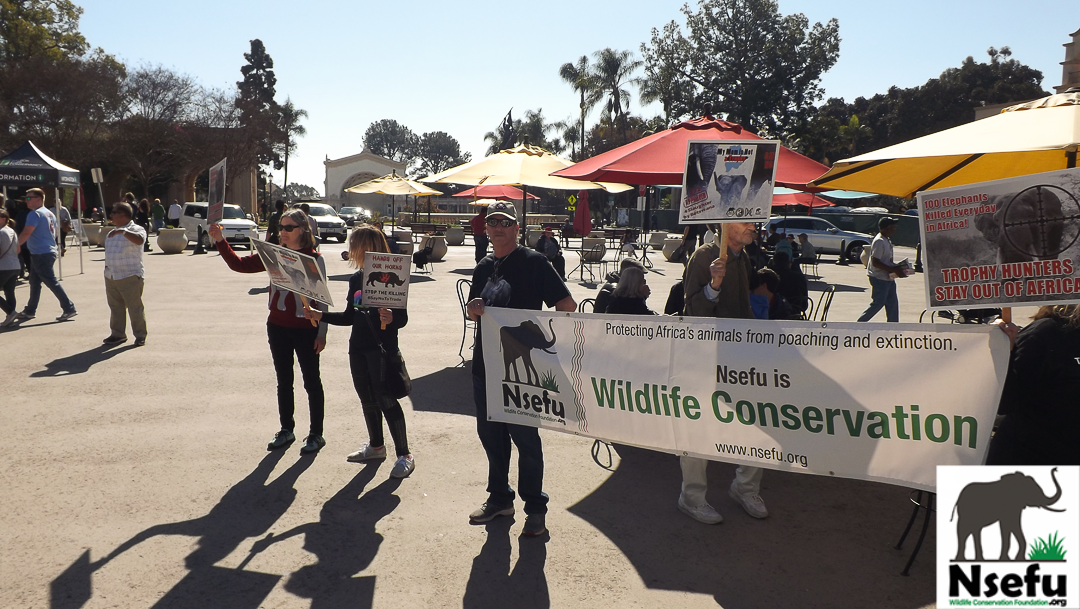
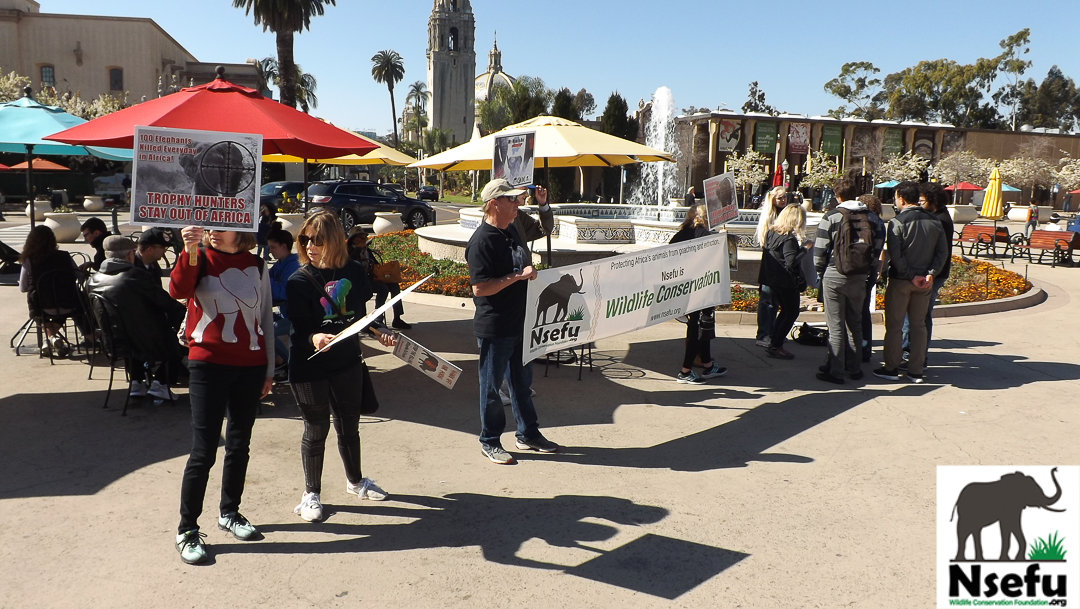
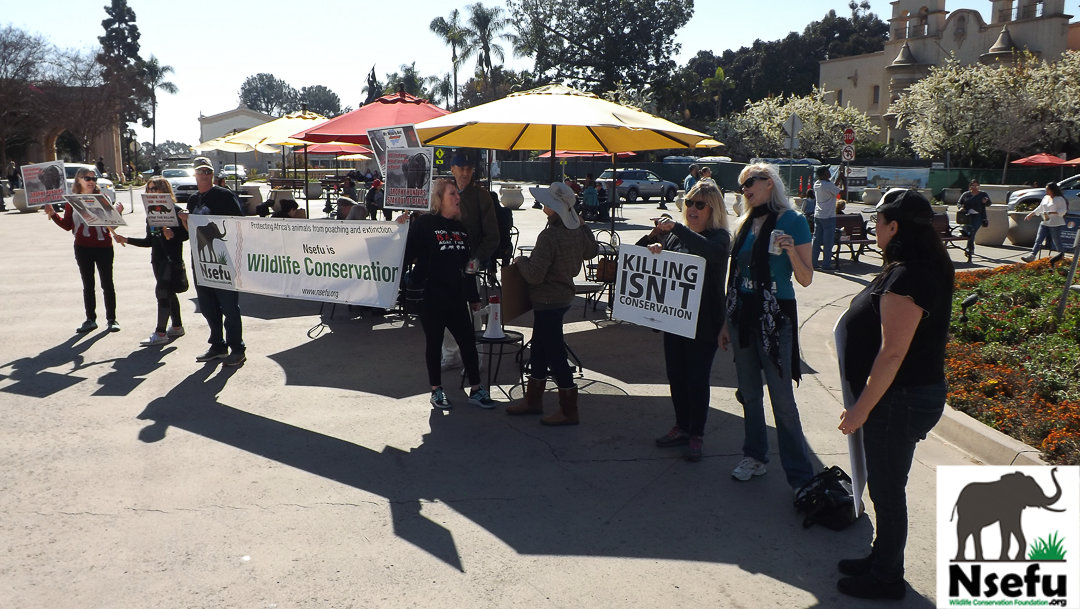
Nsefu Wildlife and Global March for Elephants and Rhinos invite you to take immediate and urgent action on behalf of 272+ elephants slated to be killed in Botswana by the new regime of President Masisi. 5 or more have already been "hunted" by Trophy hunters, one of the killed had a GPS collar, a collar which the trophy hunter proceeded to destroy (as well). INDISCRIMINATE KILLING IS NOT THE ANSWER.