
CONSERVATION NEWS
ELEPHANT TROPHY HUNTING: OVER 1.3 MILLION URGE U.S. IVORY IMPORT BAN AFTER TRUMP REVERSAL
Let's stop this bad decision - Sign the Petition

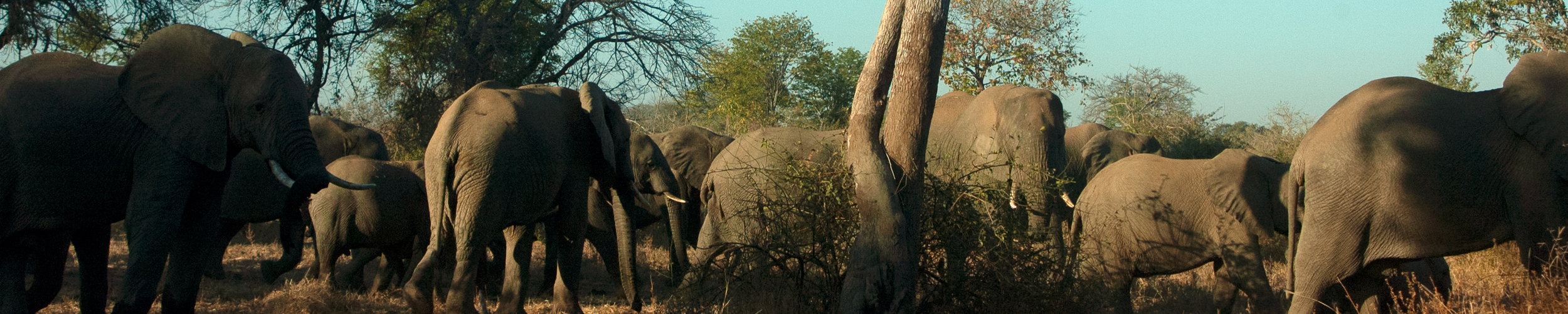
More than one million people have signed a petition urging a ban on ivory and tusks being imported into the U.S. after the Trump administration reversed an Obama-era block on bringing elephant sport hunting trophies into the country. Story by EWAN PALMER.
Trump Administration Quietly Decides — Again — To Allow Elephant Trophy Imports
NPR is on top of this story!

Yasuyoshi Chiba/AFP/Getty Images
The Trump administration has lifted a ban on importing sport-hunted trophies of elephants from certain African countries, just over three months after President Trump appeared to pause a first attempt to do so amid public uproar. In a memo dated March 1, the U.S. Fish and Wildlife Service said that in place of the Obama-era blanket ban, the agency will consider importation permits "on a case-by-case basis." Story by Colin Dwyer/NPR America
JOIN US TO PROTEST THE USFWS REVERSAL OF THE TROPHY IMPORT BAN!
Chabwela School gets a fresh coat of paint!
Your donations are making a difference.
A Nsefu team member sent us some new photos of the Chabwela School getting its first coat of paint. The paint was applied to the inside and rough casting to the exterior and then painted. Black boards were also put up in the classroom. It's looking really good!





Please consider donating to the Chabwela School Fund!
China Bans Ivory: Why 2018 Is The Year Of The Elephant
Is this the beginning of the end of Elephant Ivory Poaching?
2018 should be a better year for the African elephant, ending a decade of merciless poaching for their ivory tusks. Ten years ago, legal trade in elephant ivory resumed in China and as the economy boomed, poaching climbed from a few thousand elephants a year to 33,000 – one every 15 minutes. The reversal of that decision is likely to be the greatest single step toward reducing elephant poaching.

The history of the ivory trade has shown that rather than replace illegal trade, “regulated trade” enables vast laundering of poached ivory into retail circles, and open promotion greatly increases the market. Despite years of government effort to perfect a theoretically watertight system, traders were easily able to pass off ivory stolen from Africa as legitimate using paperwork provided by naïve or, in some cases, corrupt officials. Story by Peter Knights/CEO of WildAid
Rewards for wildlife whistleblowers!
Make the locals realize the animals are worth more to them alive!

Authorities are starting to crack down on wildlife trafficking. This January, Boonchai Bach, a notorious wildlife trafficker in Thailand, was arrested on charges of smuggling rhino horns worth over UScopy...